






Manila Bulletin
 Philippines
National
DepEd moves to make lifelong learning a reality for every Filipino
Philippines
National
DepEd moves to make lifelong learning a reality for every Filipino
Philippines
National
DepEd moves to make lifelong learning a reality for every Filipino
DepEd moves to make lifelong learning a reality for every Filipino
Published Mar 10, 2026 04:41 pm


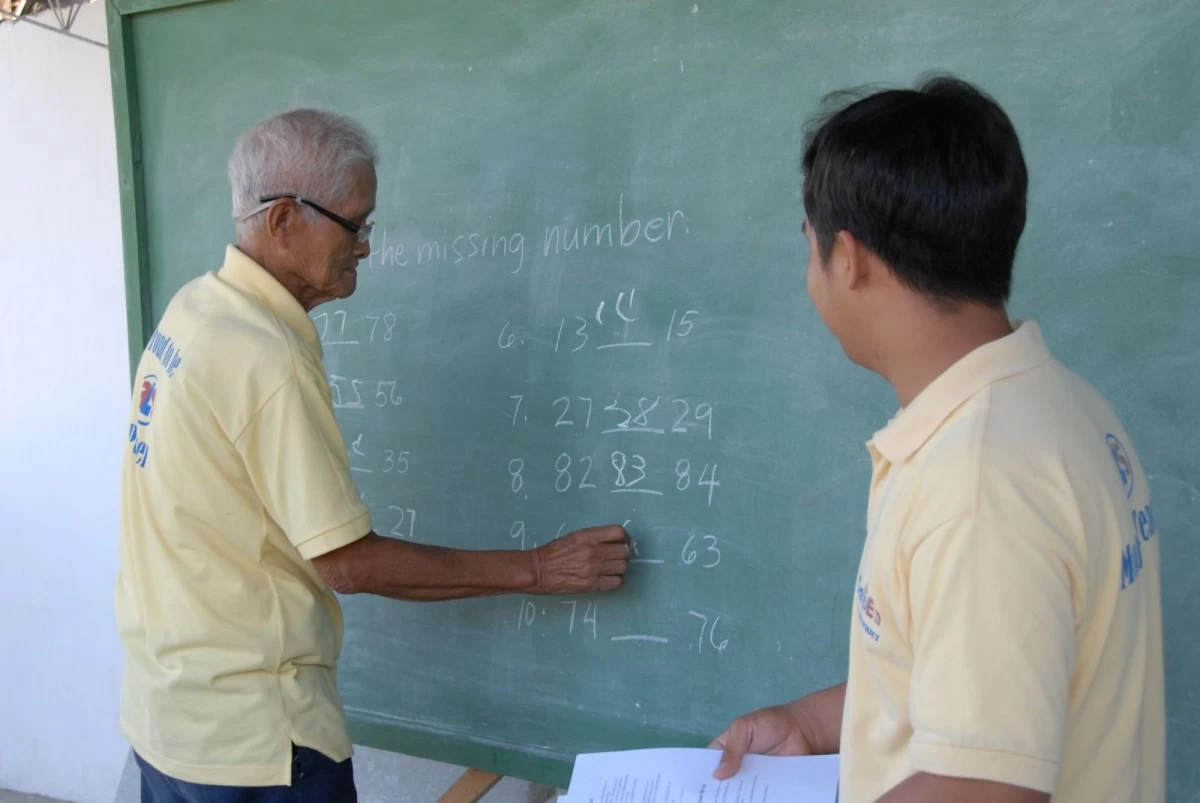
The Department of Education (DepEd) refines the implementing rules of the Lifelong Learning Development Framework Act to recognize skills gained outside the classroom and expand lifelong learning opportunities for Filipinos. (DepEd / file photo)
Education is no longer confined to classrooms, as a new national policy aims to recognize the skills millions of Filipinos have acquired through work, family responsibilities, and community experiences—and convert them into formal learning opportunities.
The Department of Education (DepEd) said Tuesday, March 10, that it is refining the implementation of Republic Act No. 12313, also known as the Lifelong Learning Development Framework (LLDF) Act, to ensure that learning in the Philippines continues throughout a person’s life—whether in schools, workplaces, or communities.
Signed by President Ferdinand R. Marcos Jr. last October, the LLDF Act serves as a strategic policy to institutionalize lifelong learning in the Philippines across cities, municipalities, barangays, and learning providers nationwide.
At the heart of the law is a simple but powerful idea: what people learn outside the classroom should also count.
Learning beyond the classroom
Many Filipinos develop valuable skills outside formal schooling.
Under the LLDF Act, these real-life experiences may soon be formally recognized and credited toward degrees, certifications, or further training through mechanisms such as skills recognition and alternative learning pathways.
According to DepEd Secretary Sonny Angara, the goal is to reshape how the country views education.
“Our goal is to guarantee that no Filipino is left behind in our rapidly changing world by making quality education a lifelong journey rather than a one-time event,” Angara said.
A nationwide consultation
To ensure the law works in practice, the Philippine Qualifications Framework – National Coordinating Council (PQF-NCC) recently held an online public consultation to refine the draft Implementing Rules and Regulations (IRR) of the LLDF Act.
The consultation gathered stakeholders from various sectors—including barangay leaders, local government officials, industry representatives, and civil society organizations—who shared ideas on how the policy could work effectively on the ground.
For many participants, the discussion was about more than regulations; it was about building a culture where learning continues long after formal schooling ends.
Connecting existing education pathways
Participants also proposed aligning the LLDF framework with existing programs such as the Expanded Tertiary Education Equivalency and Accreditation Program (ETEEAP) and the Philippine Credit Transfer System (PCTS).
These programs already allow individuals to earn academic credits through work experience or training. Integrating them into the lifelong learning framework could create a smoother pathway for Filipinos who want to return to education later in life.
PQF-NCC Permanent Secretariat Strategic Advisor Rafaelita M. Aldaba emphasized that the country’s commitment must extend beyond passing the law.
Turning lifelong learning into reality, she noted, requires coordinated systems that make education accessible and responsive to people’s needs.
Communities as centers of learning
Another key idea discussed during the consultation was the role of communities and families in nurturing learning.
Jhazen Binayan of the DepEd Legislative Liaison Office presented the refined draft IRR and highlighted the need for inclusive language that considers the varying capacities of local government units.
“The implementation of RA 12313 rests heavily on the participation of stakeholders who have taken the time to contribute to this public consultation,” Binayan said.
Meanwhile, Maricor Anne DG. Cauton of the Union of Local Authorities of the Philippines (ULAP) said communities would receive technical assistance to help scale successful learning initiatives.
Education as a lifelong right
For DepEd and its partners, the goal goes beyond creating new programs. The broader vision is a society where learning is woven into everyday life—where people can upgrade their skills, change careers, or pursue new interests at any stage.
As DepEd and the PQF-NCC finalize the rules for implementing the law, the hope is that lifelong learning opportunities in the Philippines will no longer be seen as something that ends after graduation but as a continuing right open to every Filipino.