






Manila Bulletin
 Technews
Coins.ph CEO Wei Zhou champions digital payment reform at PCL National Congress
Technews
Coins.ph CEO Wei Zhou champions digital payment reform at PCL National Congress
Technews
Coins.ph CEO Wei Zhou champions digital payment reform at PCL National Congress
Coins.ph CEO Wei Zhou champions digital payment reform at PCL National Congress
Published Mar 10, 2026 02:51 pm


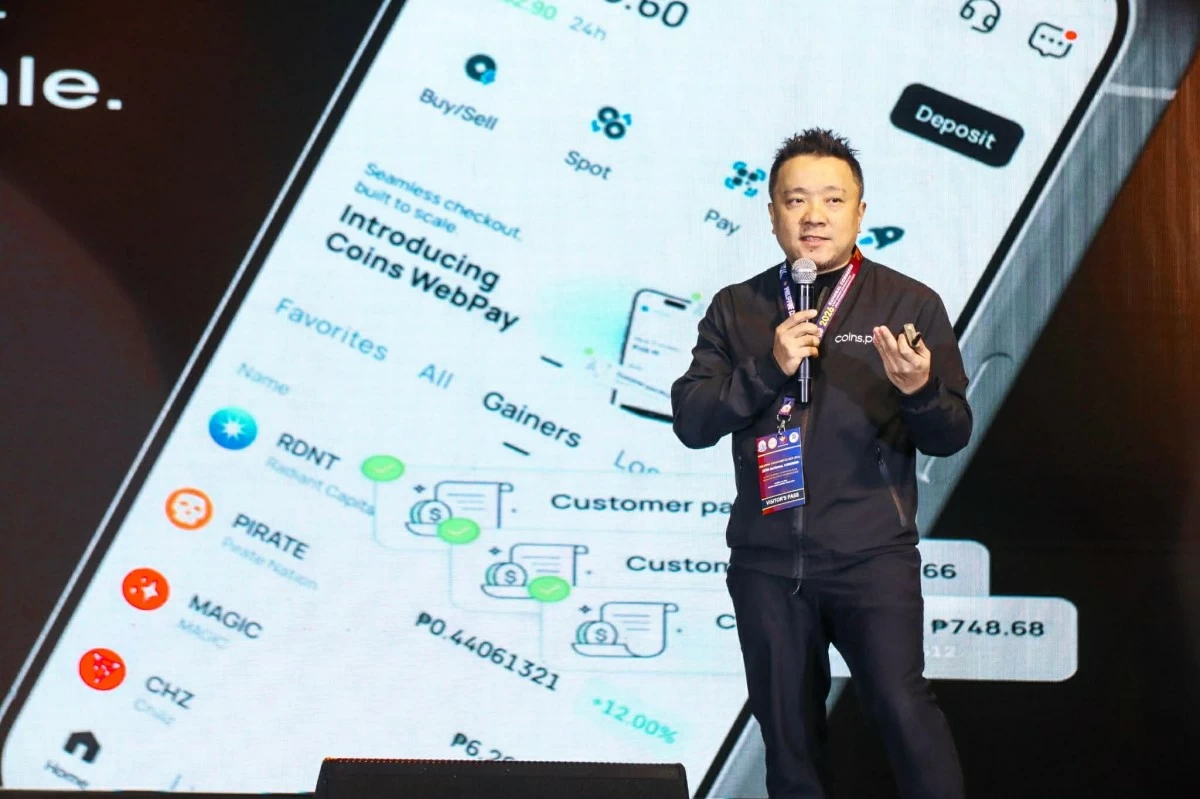
What does the future of local governance look like? For Coins.ph, the answer is digital, and the company brought that vision to the 2026 Philippine Councilors League National Congress and 1st Quarterly Continuing Local Legislative Education Program.
Addressing thousands of local legislators, Coins.ph CEO Wei Zhou challenged local government unit (LGU) leaders to modernize public collection systems to meet the "new expectation" of instant service. He highlighted a significant shift in consumer behavior, noting that digital payments now account for 57.4 % of retail payment volume in the Philippines, based on a 2024 report by the Bangko Sentral ng Pilipinas.
Zhou noted that relying on outdated systems necessitates manual reconciliation and often results in delayed financial reporting and warned that physical cash management carries inherent handling risks that digital systems inherently mitigate.
“Even a 1% inefficiency in a ₱500 million revenue base equals ₱5 million,” Zhou said. “We must ask ourselves: How many scholarships is that? How many classrooms could that build? How many families could be supported? Small percentages become real consequences.”
The surge of digital adoption
Zhou added that the shift toward digital payments is evidenced by the massive growth in interoperable systems. He noted, for example, that the monthly QR Ph transactions processed by Coins grew from ₱559 million to ₱29.95 billion within 12 months in 2025. This shift suggests that citizens are already equipped with digital tools and are waiting for government services to catch up with their private-sector experiences.
Empowering LGUs through digital integration
Zhou offered Coins.ph as a battle-tested partner for LGUs looking to bridge this gap. Digital collections and payments can specifically help LGUs optimize several key areas of governance:
Revenue Collection: Streamlining the payment of business permits and real property taxes (LGU taxes) reduces queues at City Hall and improves collection rates.
Public Assistance: Utilizing digital rails for the disbursement of aid and social services ensures that funds reach beneficiaries instantly and transparently.
Operational Continuity: Digital infrastructure acts as "continuity infrastructure," allowing payments to flow even when physical offices are closed due to typhoons, flooding, or power outages.
Efficiency and Trust: Moving away from 45-minute manual processes to 15-second digital transactions directly improves an LGU's reputation and fosters public trust.
Proven infrastructure
Coins.ph provides a robust, BSP-regulated infrastructure with 12 years of operating experience and a massive user base of 18 million registered users. The platform processes an average of 140 million monthly transactions with a highly reliable 99.9% uptime and minimal 50ms API latency. With integrations across over 120 banks and e-wallets, the system is built for the scale and interoperability required by government institutions.
"Modernization will happen; the question is timing," Zhou concluded. "Design decisions are leadership decisions. I invite our local leaders to lead this change and make public services more efficient, resilient, and inclusive for every Filipino".