

ADVERTISEMENT

A reluctant hero & a rocky friendship: A review of 'Project Hail Mary'

Published Mar 10, 2026 08:46 am

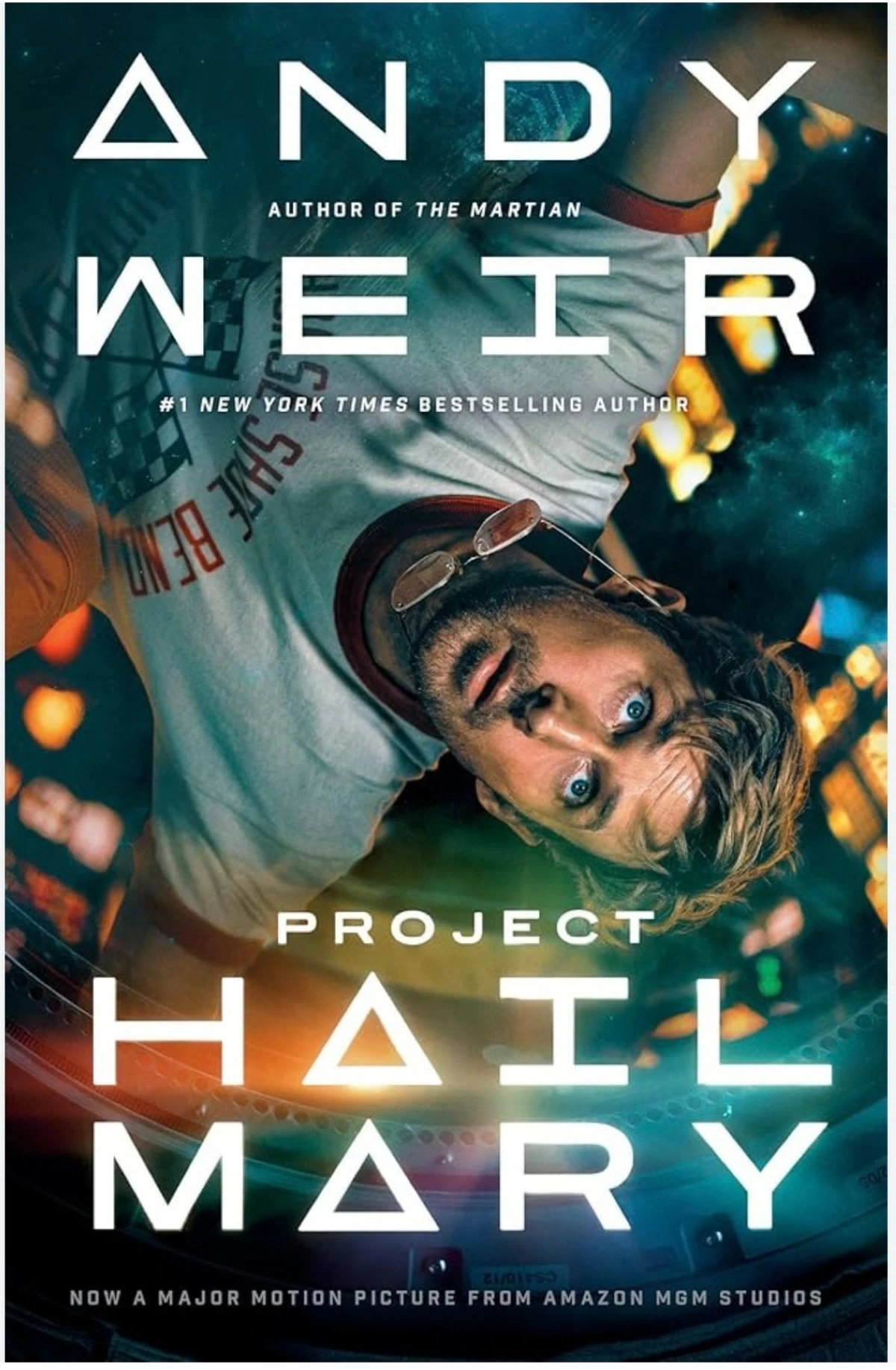
"Project Hail Mary" by Andy Weir, published in 2021, is one of my youngest son, Luca's, favorite hard science fiction novels. So you can imagine his excitement about the film rights being picked up, and how, finally, on March 18, we get to see the movie adaptation and see whether they got it right! That the screenplay is by Drew Goddard, who also adapted Weir’s "The Martian," was good news for Luca. He loved the Spider-Verse films, so having Phil Lord and Christopher Miller direct only made his expectations rise. 
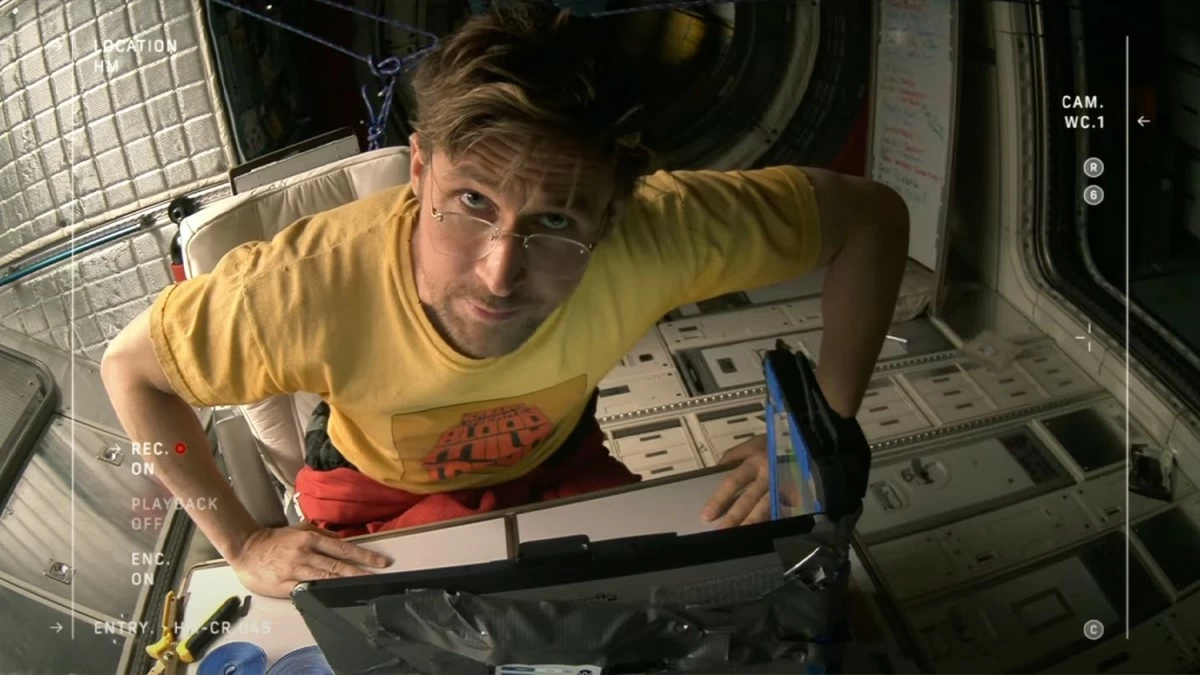
Ryan Gosling in a scene from 'Project Hail Mary'

I’ve read the book myself and had the wonderful opportunity to attend an advanced screening. For those unfamiliar with the book, it is a sci-fi first-contact, interplanetary adventure with a reluctant Science teacher as the main hero/protagonist. Ryland Grace (Ryan Gosling) is plucked from his classroom and recruited to join a crack team of scientists studying the mysterious substance Astrophage, which appears to be causing the sun to slowly die out. Tasked to save Earth, they plan a risky, ‘one way only’ space voyage. 

First, the good news! It’s a highly faithful adaptation and winning screenplay. The scientific grounding, the humor, the hope, and the suspense are all present, and the interplay between present-time space-surviving and the flashbacks is done effectively. The relationship between Ryland Grace and the alien ‘Rocky’, the ‘soul’ of the novel, is a particular gift of the film - their problem-solving together, the common experiences and background, forging a bond between the two - they’re all part of the emotional core of the middle portion of the film. And of course, I would recommend watching this in an SM-IMAX theater, as the visuals are stunning; especially the vastness of space, the interior of the mother ships, and the depiction of the planet Erid. 

Some early viewers have described the film as a cross between E.T. and Interstellar. While I get the connection to E. T. and the first contact with an alien, that it’s not a child or a cute-ish alien makes it quite different. I also liked how the film retains the reluctant hero premise - I had forgotten how reluctant, since it’s been five years since I read the novel. 
Screenshot
Screenshot

Gosling inhabits the Grace role with…. grace! Sandra Hüller, as project head, Eva Stratt conveys the right blend of stiff upper lip and no-nonsense officer, while still possessing a beating heart. Hüller was in two important European films from three years ago, Anatomy of a Fall and The Zone of Interest, so it’s nice to see her get her big-budget Hollywood film. Other characters from the novel do exist, but their roles have been minimized to improve storytelling efficiency. And I’m saying that even if the film runs for a little over two hours and thirty minutes.

Some of the hard science that are trademarks of Weir’s books has been glossed over or simplified, as these facts would also hamper the flow of the film. With a novel, we have the luxury to stop, do some research to verify the science, or pause to understand better what’s on the page. 

Epic film-making, that’s sprawling, soulful, hilarious, heartfelt, hopeful; it’s all of the above and more. At its center, "Project Hail Mary" is a buddy film between a human and an alien. And the magic it conjures is transforming hard science into mass-market entertainment. That you’ll care about these two, and the decisions they both make, says a lot about how effective this film is. Watch it when it opens in cinemas on March 18, and enjoy it on an IMAX screen if you can. 

ADVERTISEMENT
.most-popular .layout-ratio{ padding-bottom: 79.13%; } @media (min-width: 768px) and (max-width: 1024px) { .widget-title { font-size: 15px !important; } }

{{ articles_filter_1561_widget.title }}

.most-popular .layout-ratio{ padding-bottom: 79.13%; } @media (min-width: 768px) and (max-width: 1024px) { .widget-title { font-size: 15px !important; } }

{{ articles_filter_1562_widget.title }}

.most-popular .layout-ratio{ padding-bottom: 79.13%; } @media (min-width: 768px) and (max-width: 1024px) { .widget-title { font-size: 15px !important; } }

{{ articles_filter_1563_widget.title }}

{{ articles_filter_1564_widget.title }}

.mb-article-details { position: relative; } .mb-article-details .article-body-preview, .mb-article-details .article-body-summary{ font-size: 17px; line-height: 30px; font-family: "Libre Caslon Text", serif; color: #000; } .mb-article-details .article-body-preview iframe , .mb-article-details .article-body-summary iframe{ width: 100%; margin: auto; } .read-more-background { background: linear-gradient(180deg, color(display-p3 1.000 1.000 1.000 / 0) 13.75%, color(display-p3 1.000 1.000 1.000 / 0.8) 30.79%, color(display-p3 1.000 1.000 1.000) 72.5%); position: absolute; height: 200px; width: 100%; bottom: 0; display: flex; justify-content: center; align-items: center; padding: 0; } .read-more-background a{ color: #000; } .read-more-btn { padding: 17px 45px; font-family: Inter; font-weight: 700; font-size: 18px; line-height: 16px; text-align: center; vertical-align: middle; border: 1px solid black; background-color: white; } .hidden { display: none; }
function initializeAllSwipers() { // Get all hidden inputs with cms_article_id document.querySelectorAll('[id^="cms_article_id_"]').forEach(function (input) { const cmsArticleId = input.value; const articleSelector = '#article-' + cmsArticleId + ' .body_images'; const swiperElement = document.querySelector(articleSelector); if (swiperElement && !swiperElement.classList.contains('swiper-initialized')) { new Swiper(articleSelector, { loop: true, pagination: false, navigation: { nextEl: '#article-' + cmsArticleId + ' .swiper-button-next', prevEl: '#article-' + cmsArticleId + ' .swiper-button-prev', }, }); } }); } setTimeout(initializeAllSwipers, 3000); const intersectionObserver = new IntersectionObserver( (entries) => { entries.forEach((entry) => { if (entry.isIntersecting) { const newUrl = entry.target.getAttribute("data-url"); if (newUrl) { history.pushState(null, null, newUrl); let article = entry.target; // Extract metadata const author = article.querySelector('.author-section').textContent.replace('By', '').trim(); const section = article.querySelector('.section-info ').textContent.replace(' ', ' '); const title = article.querySelector('.article-title h1').textContent; // Parse URL for Chartbeat path format const parsedUrl = new URL(newUrl, window.location.origin); const cleanUrl = parsedUrl.host + parsedUrl.pathname; // Update Chartbeat configuration if (typeof window._sf_async_config !== 'undefined') { window._sf_async_config.path = cleanUrl; window._sf_async_config.sections = section; window._sf_async_config.authors = author; } // Track virtual page view with Chartbeat if (typeof pSUPERFLY !== 'undefined' && typeof pSUPERFLY.virtualPage === 'function') { try { pSUPERFLY.virtualPage({ path: cleanUrl, title: title, sections: section, authors: author }); } catch (error) { console.error('ping error', error); } } // Optional: Update document title if (title && title !== document.title) { document.title = title; } } } }); }, { threshold: 0.1 } ); function showArticleBody(button) { const article = button.closest("article"); const summary = article.querySelector(".article-body-summary"); const body = article.querySelector(".article-body-preview"); const readMoreSection = article.querySelector(".read-more-background"); // Hide summary and read-more section summary.style.display = "none"; readMoreSection.style.display = "none"; // Show the full article body body.classList.remove("hidden"); } document.addEventListener("DOMContentLoaded", () => { let loadCount = 0; // Track how many times articles are loaded const offset = [1, 2, 3, 4, 5, 6, 7, 8, 9, 10]; // Offset values const currentUrl = window.location.pathname.substring(1); let isLoading = false; // Prevent multiple calls if (!currentUrl) { console.log("Current URL is invalid."); return; } const sentinel = document.getElementById("load-more-sentinel"); if (!sentinel) { console.log("Sentinel element not found."); return; } function isSentinelVisible() { const rect = sentinel.getBoundingClientRect(); return ( rect.top < window.innerHeight && rect.bottom >= 0 ); } function onScroll() { if (isLoading) return; if (isSentinelVisible()) { if (loadCount >= offset.length) { console.log("Maximum load attempts reached."); window.removeEventListener("scroll", onScroll); return; } isLoading = true; const currentOffset = offset[loadCount]; window.loadMoreItems().then(() => { let article = document.querySelector('#widget_1690 > div:nth-last-of-type(2) article'); intersectionObserver.observe(article) loadCount++; }).catch(error => { console.error("Error loading more items:", error); }).finally(() => { isLoading = false; }); } } window.addEventListener("scroll", onScroll); });

Sign up by email to receive news.