







Turning neighborhoods into hubs of financial learning and digital access
The GCash Wais Tindera Caravan makes its stop in Tunasan, Muntinlupa, offering grassroots financial education that supports the country's push toward inclusion and digital readiness
Published Mar 9, 2026 05:51 pm


At A Glance
- Through its Wais Tindera Caravan, GCash seeks to turn every entrepreneur into a smarter saver, wiser borrower, and financially confident decision maker.
- The Wais Tindera Caravan made its latest stop in La Guerta, Tunasan, Muntinlupa, bringing together modest store owners, home-based sellers, and aspiring entrepreneurs. Under one roof, vendors and aspiring store owners joined discussions on budgeting, pricing, savings, loans, and digital security.
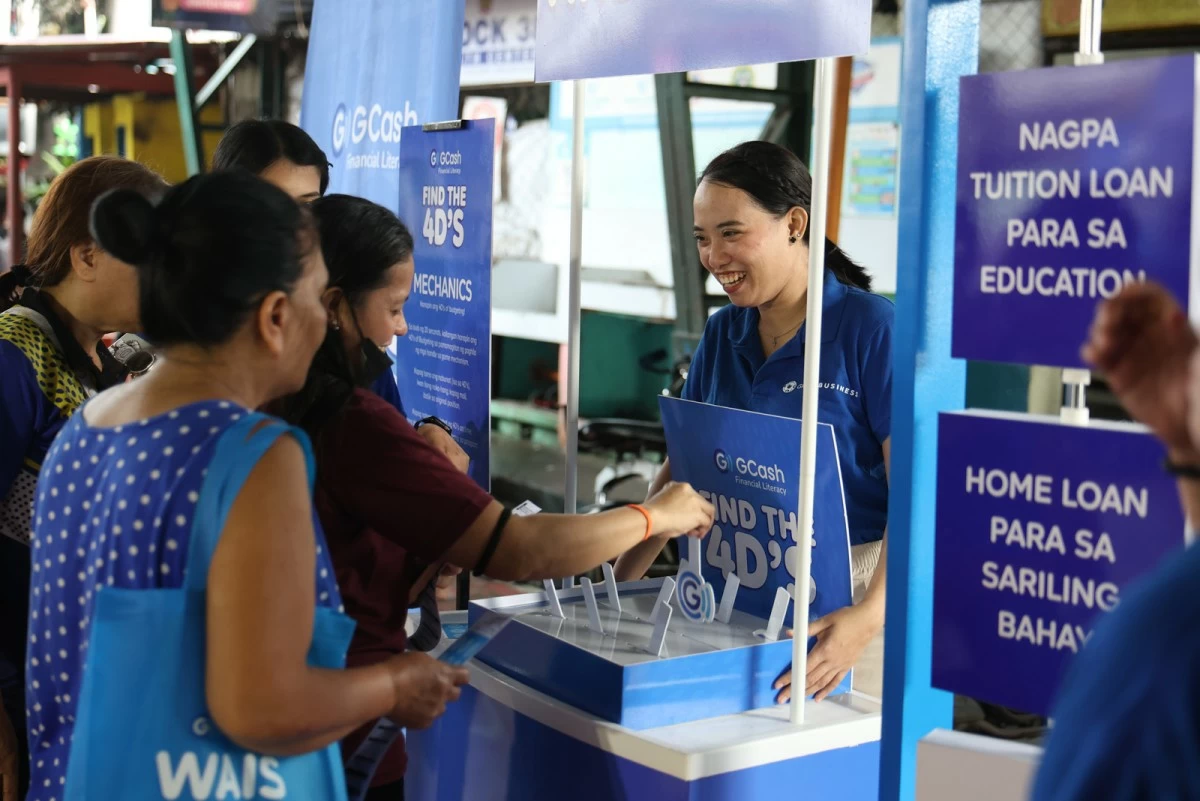
Micro, small, and medium entrepreneurs in Addition Hills, Mandaluyong were taught about responsible financial management during the Wais Tindera Caravan.
The easiest way to track how technology changes the Filipino way of life is not through statistics, policy papers, or fancy summit speeches. Just walk to the nearest sari-sari store. There, tucked between sachets of shampoo and packs of instant noodles, is a small blue sticker that says “GCash accepted here,” and a tindera who now welcomes QR scans.
This simple yet impactful shift tells a bigger story. Before, digital payments were the domain of department stores and big retailers. Today, the corner tindahan has joined the movement. According to Statista, the Philippines is now among Southeast Asia’s most active users of mobile wallets. While many cities still rely on traditional cash payments, even the sari-sari store at the corner now recognizes how technology can simplify, secure, and record daily income more accurately.
GCash is at the core of this shift. For micro and small enterprises, cashless payment is no longer just about convenience. It brings a sense of protection, better tracking of finances, and a clearer path toward growth. Yet GCash seems to be pushing for something more thoughtful than these. Through its Wais Tindera Caravan, the fintech company seeks to turn every entrepreneur into a smarter saver, wiser borrower, and financially confident decision maker.
This ongoing initiative supports the Bangko Sentral ng Pilipinas’ vision to build a financially literate nation. It brings learning to where it matters most, in barangay courts, basketball gyms, and community halls, where dreams are usually more practical than grand: an extra shelf for goods, a better freezer, a child’s tuition, a small loan that does not take advantage.
A caravan that teaches, connects, and empowers

A GCash representative shows the features of the country’s super finance app to participants of Wais Tindera Caravan in La Union.
The Wais Tindera Caravan made its latest stop in La Guerta, Tunasan, Muntinlupa, bringing together modest store owners, home-based sellers, and aspiring entrepreneurs. Under one roof, vendors and aspiring store owners joined discussions on budgeting, pricing, savings, loans, and digital security.
Muntinlupa Vice Mayor Stephanie Teves joined the event, affirming that financial literacy has become a vital part of public service. She emphasized how digital tools now make entrepreneurship more accessible. “Digital platforms like GCash let people build a small business right from home. It shows how technology can empower livelihoods at the community level,” she said.
The caravan also introduced the GCash Pera Outlet Plus, a dedicated app that helps neighborhood stores become digital hubs. Through services like cash-in and cash-out, bill payments, and assisted e-services, store owners can earn extra income while helping their community access financial transactions without traveling far. Features such as My Suki also allow them to track regular customers and build their earnings.
GCash Head of Sustainability CJ Alegre underscored how this innovation empowers small retailers. “Most nano and micro entrepreneurs want to thrive, but many are still in survival mode. With GCash Pera Outlet Plus, sari-sari stores, salons, and small cafés can earn additional income by serving as cash-in and cash-out hubs, while gaining access to digital services like business loans. This transforms a regular tindera into a tech-enabled community partner, strengthening both their livelihood and the local economy,” he shared.
Perhaps the most striking insight from the day was how digital finance becomes less intimidating when translated into everyday experience. A mother thinking of school fees begins to see how a small loan with clear terms can help. A store owner views the GCash Pera Outlet not as a complex venture but as an extension of her counter, as familiar as selling prepaid load yet far more empowering.
A community effort toward one goal
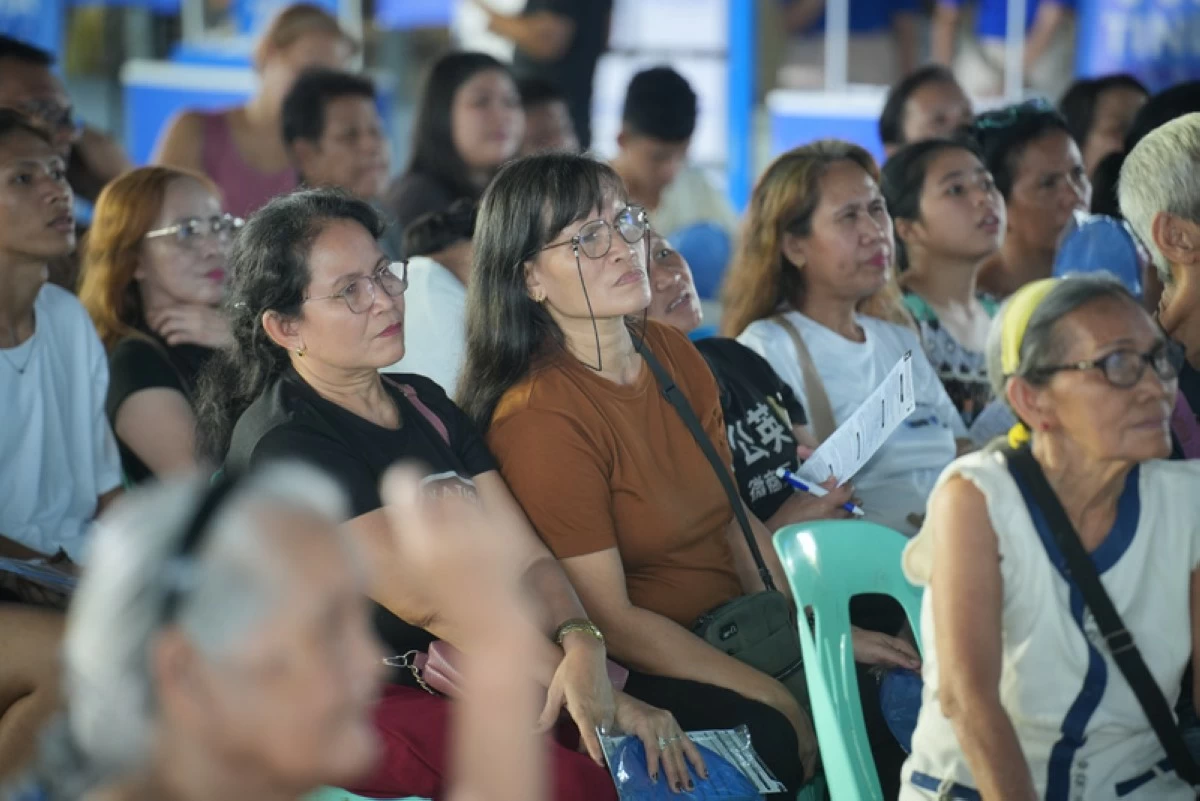
Micro, small, and medium entrepreneurs joined the Wais Tindera Caravan’s financial literacy workshops in Caloocan to learn more about digital finance and responsible borrowing.
The caravan came with games, raffles, and booths. Serious learning delivered with a light mood, as if to say that progress does not have to feel intimidating. Mothers, vendors, and small store owners lingered not for freebies but because the lessons made sense to their daily lives.
One participant, a mother and aspiring entrepreneur, shared how the session changed the way she sees money. “It’s a big help for mothers like me. We gained real knowledge. Before, I would only shop online. Now I understand how important savings are,” said 53-year-old Ayrene Advincula. “I learned how to budget properly and how to keep my money safe.”
Fernando Gonzales, a 57-year-old sari-sari store owner, said the learning opened new possibilities for his business. “What I really learned is how to grow my store and how to use cash-in and cash-out services,” he explained. “We’re now planning to become a GCash Pera Outlet because it’s extra income.”
Their words revealed why events like this matter. Not because the lessons were complex or revolutionary, but because someone finally explained financial tools in a language they could trust. It was knowledge that respected their pace and flowed through their everyday lives, from budgeting baon to handling payments for neighborhood stores.
And like most initiatives worth nurturing, it grows one community at a time. The Wais Tindera Caravan has been moving across Metro Manila, reaching underserved districts and public markets. Alongside programs such as Pera Talks and GMindset, it is slowly building an ecosystem where micro and small enterprises are not treated as small players to be sold to, but as partners who deserve clarity, inclusion, and financial confidence.
Tools that go beyond transactions
The GCash app itself continues to evolve. The roster now includes loans, insurance, investments, secure transfers, savings, and even products that allow micro-entrepreneurs to earn extra income by providing GCash services.
Progress sometimes looks like a plastic stool, a handwritten price board, and a tindera who now understands the worth of her day’s work a little better.
It is built on small yet steady steps, the kind that reach the grassroots first before echoing into something national. This is how GCash pushes financial literacy and digital adoption through patient work in the communities that need it most.
To explore the programs of GCash on practical investing, budgeting, and digital financial literacy, visit the official GCash channels.