






Manila Bulletin
 Philippines
National
PNP steps up visibility in markets amid concerns on effects of oil price hike to basic goods
Philippines
National
PNP steps up visibility in markets amid concerns on effects of oil price hike to basic goods
Philippines
National
PNP steps up visibility in markets amid concerns on effects of oil price hike to basic goods
PNP steps up visibility in markets amid concerns on effects of oil price hike to basic goods
Published Mar 9, 2026 03:03 pm


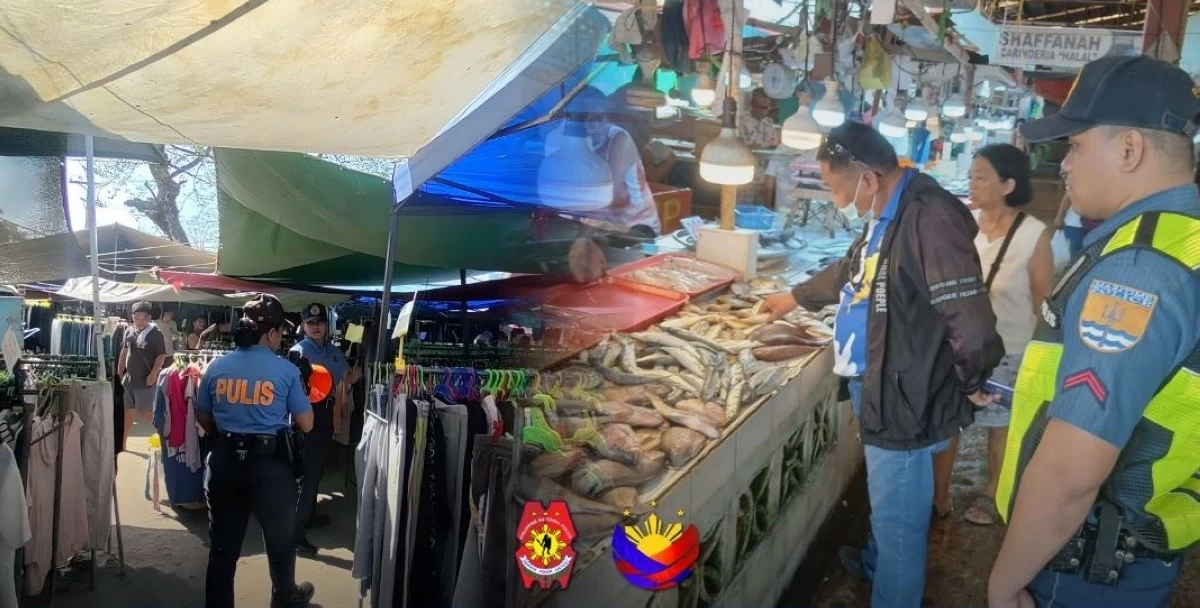
photo: PNP
The Philippine National Police (PNP) has intensified the visibility of uniformed personnel in markets and other major trade hubs as a preventive measure against hoarding and profiteering amid the expected price increase as part of the effects of the conflict in the Middle East.
PNP chief Gen. Jose Melencio C. Nartatez, Jr. said chiefs of police and commanders of police’s support units were already tasked to coordinate with the local government units and the Department of Trade and Industry (DTI) to ensure the legality of any operations relating to profiteering.
“There are concerns on a possibility of some people taking advantage of the Middle East tensions through profiteering and hoarding of basic commodities. We assure the public that the PNP will exert all legal and necessary measures to help protect consumers,” said Nartatez.
Prices of petroleum products are expected to increase due to oil supply problems as a result of the escalating tensions in the Middle East.
The oil price hikes, on the other hand, are expected to jack up the prices of basic goods and the PNP said it will protect the consumers against any modus relating to manipulation of prices of basic commodities.
Nartatez said he already directed our chiefs of police and heads of units to boost the deployment of personnel in local markets, groceries, and supermarkets to prevent any incidents of profiteering and hoarding among sellers and retailers.
He emphasized that the localized enforcement is a direct response to the national security and economic priorities of the current administration.
But he said coordination with the DTI is a must, especially for the strict monitoring of the Suggested Retail Price (SRP) of basic goods, in order to ensure the legality of any operation.
Meanwhile, Nartatez assured the people that there is no reason for any concern as he emphasized that the government remains fully prepared for any eventuality amid the Middle East conflict.