






Manila Bulletin
 Business
Trade & Industry
Philippine property sector set for steady growth in 2026—Cushman & Wakefield
Business
Trade & Industry
Philippine property sector set for steady growth in 2026—Cushman & Wakefield
Business
Trade & Industry
Philippine property sector set for steady growth in 2026—Cushman & Wakefield
Philippine property sector set for steady growth in 2026—Cushman & Wakefield
Published Mar 9, 2026 12:00 am
|
Updated Mar 7, 2026 01:22 pm


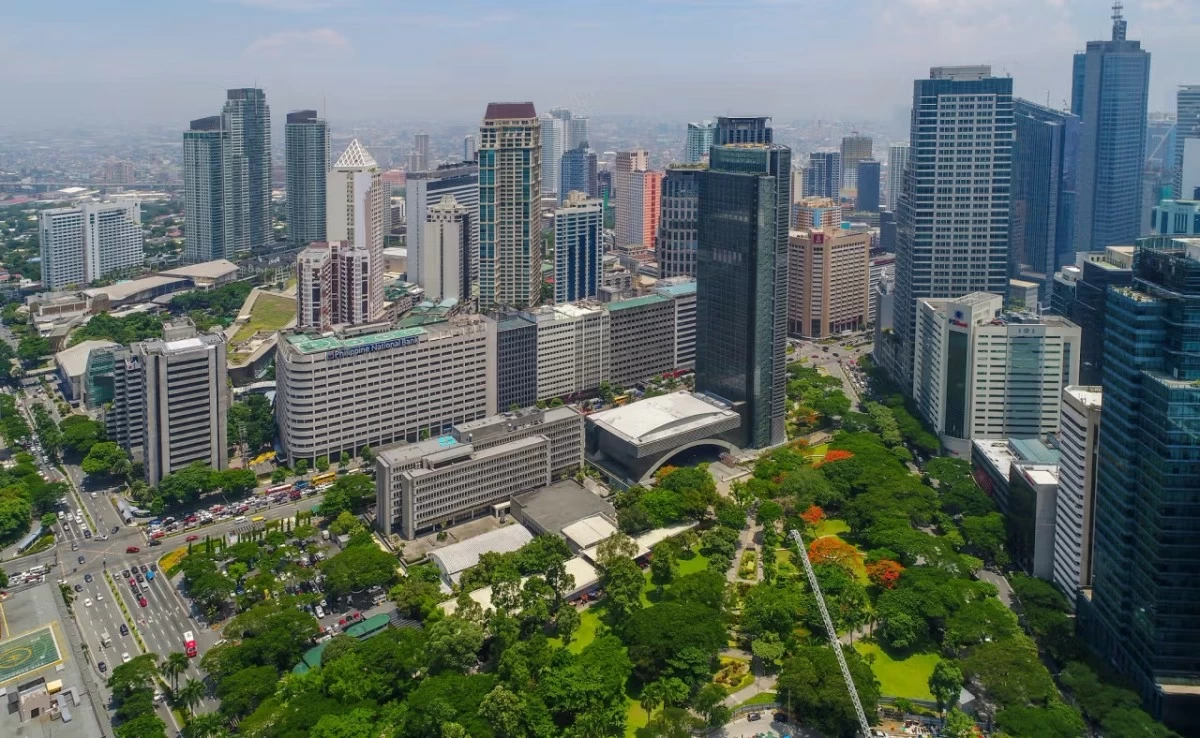
The Philippine property market is expected to sustain growth in the medium term, supported by rosier economic growth prospects, lower interest rates, and continued infrastructure development, according to the latest report by global property consultancy Cushman & Wakefield.
In its “Southeast Asia Outlook 2026: Growth Amid Global Shifts” report dated March 5, Cushman & Wakefield said the Philippines remains one of the region’s faster-growing economies despite global uncertainties.
The report projects Philippine gross domestic product (GDP) to grow by up to 5.6 percent in 2026, supported by domestic consumption and improving financial conditions. In the aftermath of the flood-control infrastructure corruption scandal, GDP grew by just 4.4 percent in 2025, the slowest annual economic expansion post-pandemic.
“Philippine GDP growth is expected to remain solid, despite threading lower than pre-Covid trend,” the report said.
“While global uncertainties and outsourcing policy risks remain, the Philippines continues to benefit from a young population, urban expansion, rapid growth of digital payment infra, and sustained infrastructure-led development,” according to Cushman & Wakefield.
Softer inflation and monetary easing are also expected to support recovery across key real estate segments.
“Lower financing costs increase mortgage accessibility and stimulate property transactions,” the report said. The Bangko Sentral ng Pilipinas (BSP) reduced its policy rate to 4.25 percent last February, down from the 6.5-percent peak in 2024.
The property sector’s resilience is also supported by steady inflows from overseas Filipino workers (OFWs), whose cash remittances reached a record-high $35.63 billion last year.
“These inflows sustain housing demand—especially mid-rise and suburban developments—and support property sector resilience despite slower overall economic growth,” Cushman & Wakefield said.
In the office segment, demand is projected to continue being led mainly by information technology and business process management (IT-BPM) firms.
“Demand remains driven by the IT-BPM sector, with flight-to-quality supporting prime and grade A buildings in major central business districts (CBDs) of Makati, Bonifacio Global City (BGC), and Ortigas,” Cushman & Wakefield said, although vacancies remain elevated in some peripheral locations.
Industrial and logistics assets are also seen benefiting from structural shifts in trade and supply chains.
The report said the sector continues to show “strong momentum,” driven by e-commerce growth, infrastructure expansion, and rising demand for modern logistics facilities.
Across Southeast Asia, industrial assets have been among the strongest-performing property classes as companies expand distribution networks and manufacturing capacity.
Cushman & Wakefield also noted that the Philippines could benefit from global supply chain diversification.
“Notably, the Philippines could emerge as a secondary China-plus-one location, particularly for industrialists seeking to expand both manufacturing and IT-BPM operations across the region.”
Retail supply growth in the Philippines is expected to remain measured, with malls increasingly repositioning themselves to attract experiential tenants.
Meanwhile, the residential segment is projected to remain resilient, particularly in high-end and horizontal developments supported by improved connectivity and better financing conditions.
Large infrastructure projects are also expected to boost property demand over the coming years.
“With major infrastructure projects such as the Metro Manila Subway, North-South Commuter Railway (NSCR), and New Manila International Airport (NMIA) underway, the Philippines’ property market remains positioned for medium-term growth,” Cushman & Wakefield said.