






Manila Bulletin
 Embassies & Foreign Affairs
Malaysia highlights the spirit of Ramadan with iftar gatherings in Manila
Embassies & Foreign Affairs
Malaysia highlights the spirit of Ramadan with iftar gatherings in Manila
Embassies & Foreign Affairs
Malaysia highlights the spirit of Ramadan with iftar gatherings in Manila
Malaysia highlights the spirit of Ramadan with iftar gatherings in Manila
Published Mar 9, 2026 01:59 pm


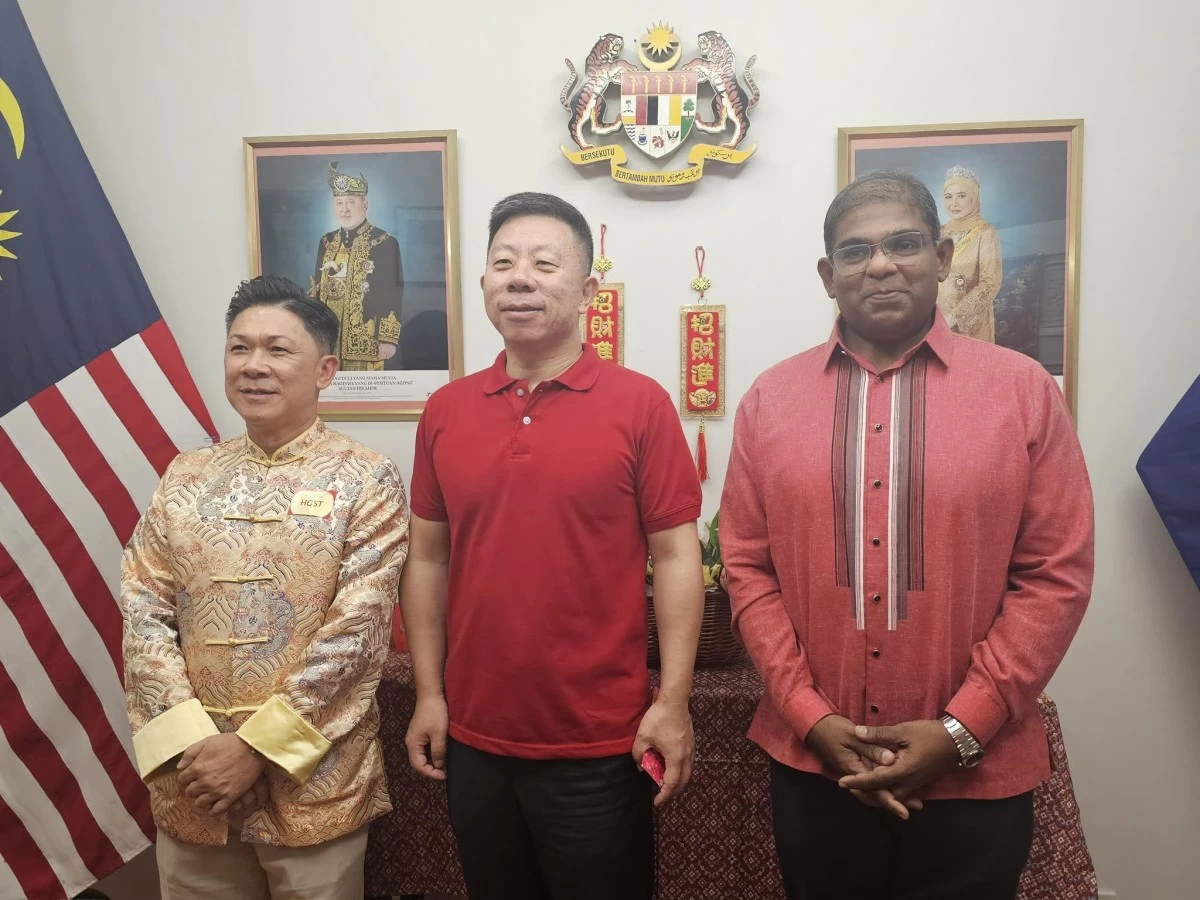
Stephen Khaw, Chairman of MCCI with Chinese Ambassador Jing Quan and Malaysian Ambassador Abdul Malik Melvin Castelino
During Ramadan, Muslims around the world fast from dawn until sunset. At the end of each day, families and communities gather for iftar, the evening meal that breaks the fast. It is both a spiritual and communal ritual. A moment when families, friends, and communities come together to share food, reflect on the values of patience and empathy, and strengthen bonds that extend beyond the dining table.
In Manila, the Embassy of Malaysia has been marking the occasion through a series of Ramadan gatherings hosted by Ambassador Abdul Malik Melvin Castelino. These events have brought together diplomats, partners, and members of the media.
One such reception took place on Feb. 28 at Rumah Malaysia. Guests gathered for an iftar celebration that also coincided with the Lunar New Year season. The occasion reflected Malaysia’s multicultural society, where Malay, Chinese, Indian, and other communities observe their traditions alongside one another.
Guests included members of the diplomatic corps, representatives from the Malaysia Chamber of Commerce and Industries Philippines Inc. (MCCI), and friends of Malaysia. Among those present was Chinese Ambassador Jing Quan, highlighting the diverse communities that often come together during such occasions.
In his remarks, Ambassador Castelino emphasized that the gathering embodied the spirit of coexistence that Malaysia proudly represents.
“Tonight is a beautiful reminder of what Malaysia stands for: harmony in diversity. In Malaysia, Ramadan bazaars sit side by side with lion dances. Mosques and temples share the same skyline. We fast together, we celebrate together, and we prosper together,” he said.
For Muslims observing Ramadan, fasting during daylight hours is one of the Five Pillars of Islam. The discipline of abstaining from food and drink throughout the day is intended to cultivate mindfulness, humility, and compassion for those who experience hunger on a daily basis. Iftar, therefore, becomes a moment of gratitude.
Across Muslim communities, the meal is traditionally shared. It often begins with dates and water before moving on to larger dishes that vary widely across cultures. In diplomatic settings, such gatherings also offer an opportunity for dialogue and cultural exchange. Guests gain insight into traditions that shape everyday life in Muslim societies.
The Malaysian Embassy extended this spirit of hospitality on March 4 by hosting another iftar gathering, this time with members of the Philippine media.
During the evening, Ambassador Castelino reflected on the deeper values of Ramadan. He noted that the month is not only about abstaining from food and drink but also about cultivating empathy, gratitude, and self-discipline.
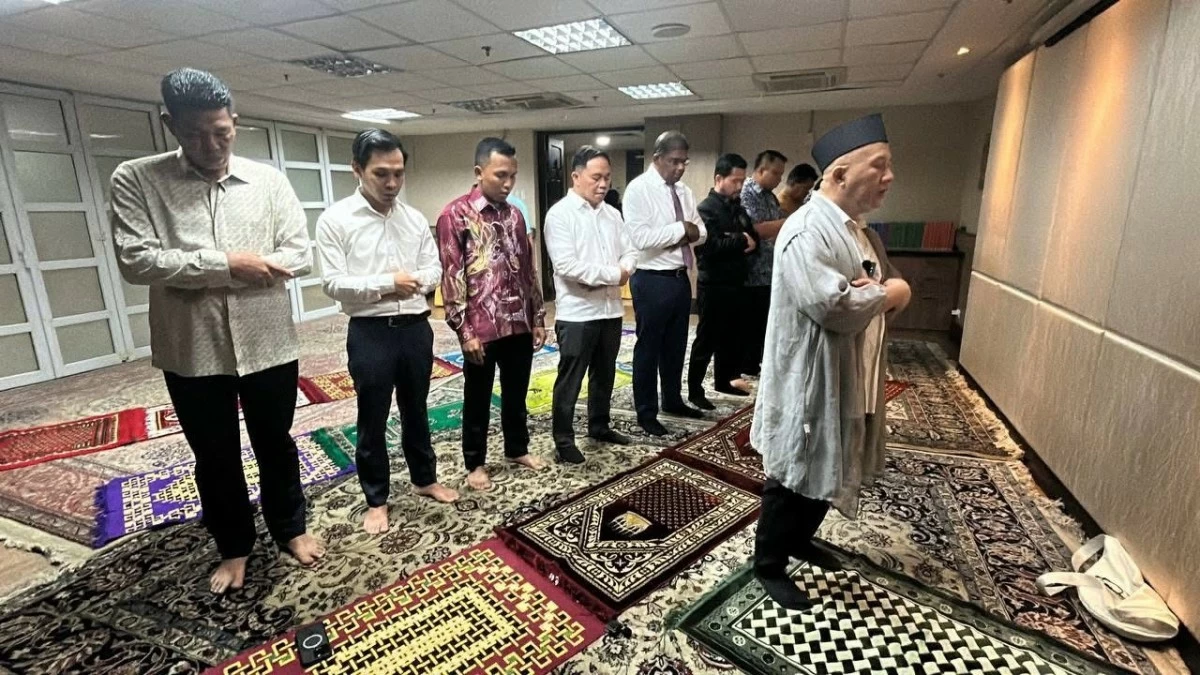
Ambassador Abdul Malik Melvin Castelino joins fellow Muslim diplomats from the Malaysian Embassy in prayer before the breaking of the fast.
“As we break our fast, we are reminded that hunger teaches empathy. And as we celebrate Chinese New Year, we are reminded that prosperity is best when shared,” he said.
The Ambassador also highlighted Malaysia’s efforts to align Islamic principles with modern governance and social development. Initiatives such as “wakaf”, or Islamic endowments, support education, healthcare, and community development programs. These initiatives extend assistance to underserved communities regardless of religion or background.
The gathering also served as an opportunity to engage with the Philippine media and highlight the importance of dialogue and understanding between societies.
At the same time, the Embassy used the occasion to highlight Visit Malaysia Year 2026, a national tourism campaign that showcases the country’s multicultural heritage, natural landscapes, and dynamic urban life.
Among the experiences highlighted were Malaysia’s famous Ramadan bazaars. These night markets come alive at sunset with an array of traditional dishes, sweets, and street food. They offer both locals and visitors a vibrant glimpse into the culinary culture of the fasting month.
Beyond diplomacy and policy discussions, however, the message of the evening remained rooted in the quiet symbolism of the iftar table.
In a world often defined by differences, the simple act of sharing a meal at sunset continues to serve as a powerful reminder of the values that unite communities: generosity, empathy, and the importance of coming together.