







Breaking 'poverty churning' cycle decisively
Published Mar 9, 2026 12:05 am
|
Updated Mar 8, 2026 03:27 pm


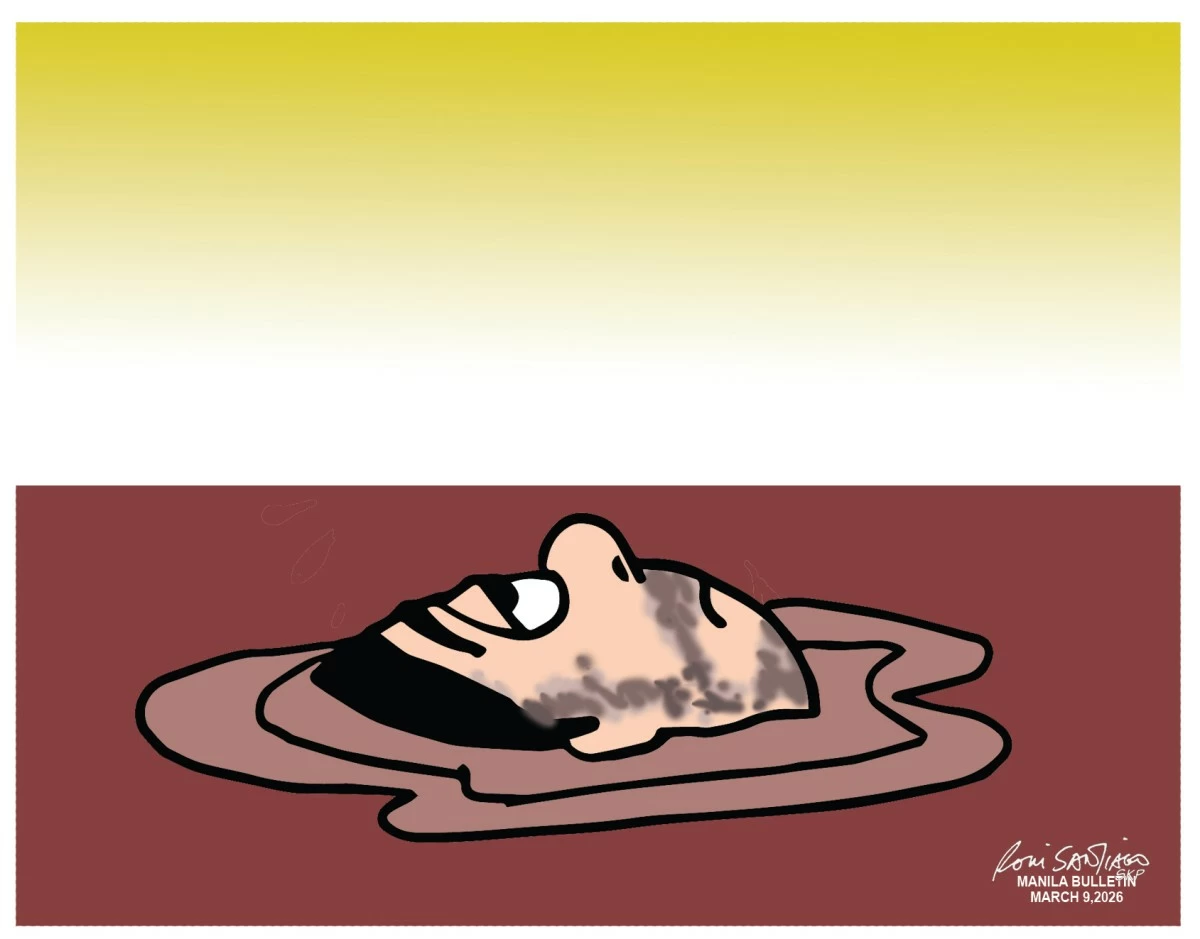
A recent report, citing findings from the Philippine Institute for Development Studies (PIDS), offers a sobering reminder about the fragile state of economic security for many Filipino families. While the country has made measurable progress in reducing poverty in recent years, the report warns that a large number of Filipinos remain “one shock away” from falling back into poverty.
This phenomenon, described by economists as “poverty churning,” refers to the recurring movement of households into and out of poverty. It underscores a troubling reality. Escaping poverty is often temporary. A sudden illness, loss of employment, natural disaster, or spike in food and fuel prices can quickly erase years of hard-earned gains.
In a country frequently battered by typhoons, exposed to global economic volatility, and still recovering from the economic disruptions of the pandemic, such vulnerability should concern policymakers and the public alike. Poverty reduction cannot be judged solely by how many people cross the poverty line. The more important question is whether families remain securely above it.
The PIDS findings suggest that many Filipino households belong to what development experts call the “near-poor.” These are families whose incomes are only slightly above the poverty threshold. They may not be counted among the poor in official statistics, but their economic footing is precarious. Without stronger safety nets and more resilient livelihoods, millions remain at risk of slipping backward.
Addressing poverty churning requires a shift in policy focus: from simply lifting people out of poverty to ensuring they do not fall back into it.
First, government must strengthen social protection systems to shield families from sudden shocks. Programs such as the conditional cash transfer initiative of the Department of Social Welfare and Development (DSWD) have demonstrated their value in cushioning vulnerable households. But social protection must go beyond cash assistance. Expanded health insurance coverage through the Philippine Health Insurance Corporation (PhilHealth), unemployment support mechanisms, and disaster-responsive aid programs can help prevent a temporary crisis from becoming a long-term descent into poverty.
Second, the country must invest more aggressively in stable and productive employment. Job creation remains the most sustainable pathway out of poverty. Policies that encourage investments in manufacturing, agriculture modernization, and emerging industries can generate higher-quality jobs. At the same time, workforce training and reskilling programs led by agencies such as the Technical Education and Skills Development Authority (TESDA) should equip workers with competencies suited to an evolving economy increasingly shaped by automation and digital technology.
Third, there must be stronger collaboration between government, local communities, and civil society organizations to build resilience at the grassroots level. Community-based livelihood programs, microfinance initiatives, and cooperative enterprises can help families diversify their income sources. When households rely on a single, unstable income stream, they become far more vulnerable to economic shocks.
Local governments, in particular, play a crucial role in identifying at-risk families and ensuring that national programs reach those who need them most. Partnerships with civic groups, faith-based organizations, and the private sector can further expand the reach of assistance and livelihood support.
Ultimately, the challenge highlighted by the PIDS report is not just about poverty; it is about economic security. A society cannot claim real progress if millions of its citizens live in constant fear that one unexpected setback could undo their modest gains.
Breaking the cycle of poverty churning requires sustained commitment, smarter policies, and stronger institutions. Only then can the country ensure that when Filipino families rise above poverty, they remain there—with dignity, stability, and hope for the future.