







Celebrate women; lead like the Babaylans
Published Mar 8, 2026 12:05 am
|
Updated Mar 7, 2026 03:25 pm


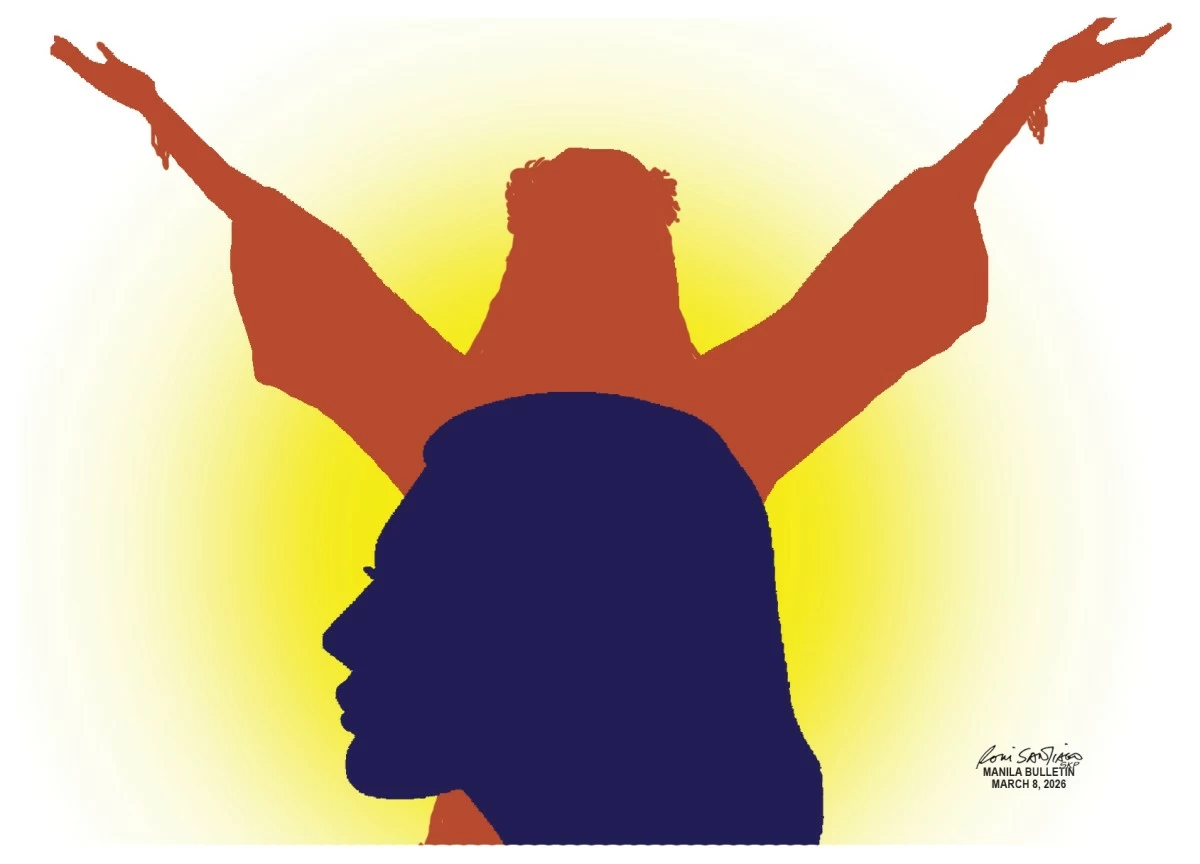
On this year’s International Women’s Day, the world honors the courage, resilience, and quiet strength of women whose influence shapes families, communities, and nations. The 2026 theme—“Rights. Justice. Action. For ALL Women and Girls”—is a call to confront the persistent inequalities that deny millions of women the dignity and justice they deserve.
In the Philippines, the celebration of National Women’s Month reminds us that women’s leadership has long been woven into the nation’s identity, echoing the wisdom and moral authority of the Babaylans of pre-colonial times—a time when women were revered leaders, healers, and mediators in communities long before colonial structures imposed rigid hierarchies. Their leadership embodied balance, cooperation, and the belief that power should uplift rather than dominate.
But long before modern debates on gender equality, the Scripture already acknowledged the strength and dignity of women. The Bible portrays women not as silent spectators but as active bearers of faith, wisdom, and leadership. Proverbs 31:25 declares, “She is clothed with strength and dignity; she can laugh at the days to come.” This verse does not reduce a woman’s worth to domestic roles alone—it celebrates her courage, foresight, and ability to stand firm amid uncertainty. In another passage, Galatians 3:28 proclaims a powerful truth: “There is neither Jew nor Greek, slave nor free, male nor female, for you are all one.” At its core, the Christian faith affirms the spiritual equality of every person before God.
The Bible also presents examples of women entrusted with responsibility and influence. Deborah in Judges 4–5 served as a judge and prophet who led Israel with wisdom and courage. Esther risked her life to save her people, showing that leadership often requires sacrifice and moral conviction. These stories remind us that women’s voices have always mattered—not only in the home but also in the public sphere. Women fulfill this calling in countless ways—raising families, guiding communities, leading organizations, and advocating for the vulnerable. But their mission cannot flourish where discrimination persists.
This is why governments around the world must move beyond words and commit to action. Laws must protect women from violence, exploitation, and unequal opportunity. Equal access to education, healthcare, and leadership must be guaranteed not only in policy but also in practice. Justice systems must respond firmly to abuses that silence or endanger women. True equality is not achieved through declarations alone; it is built through institutions that defend human dignity.
The private sector also carries a crucial responsibility. Workplaces should cultivate fairness in hiring, pay, and promotion. Women must have equal opportunities to lead, innovate, and influence decisions. Companies can create environments where motherhood is supported, where harassment is never tolerated, and where talent—not gender—determines success. When businesses invest in women, they strengthen economies and communities alike.
But the pursuit of equality cannot rest solely on governments or corporations. Every citizen has a role. Fathers must raise sons who respect women and daughters who know their worth. Schools must teach young people to challenge harmful stereotypes. Communities must listen when women speak about injustice and stand beside them in seeking change.
International Women’s Day ultimately reminds us that the struggle for equality is not only political—it is moral and spiritual. And the true measure of our commitment will be seen not in the words we speak today, but in the world we choose to build tomorrow. Just as the Babaylans once guided communities with wisdom and compassion, women today continue to shape the world with strength and grace. When societies honor that strength, defend women’s rights, and share responsibility for justice, humanity moves closer to the vision proclaimed in the Scripture: a world where dignity equally belongs to all.