






Manila Bulletin
 Lifestyle
Luminaries and Life
How Bianca Gonzalez-Intal is helping women find their voice
Lifestyle
Luminaries and Life
How Bianca Gonzalez-Intal is helping women find their voice
Lifestyle
Luminaries and Life
How Bianca Gonzalez-Intal is helping women find their voice
How Bianca Gonzalez-Intal is helping women find their voice
From Paano Ba 'To?! to She Talks Asia, she continues to empower Filipina and build supportive communities
Published Mar 7, 2026 09:51 am


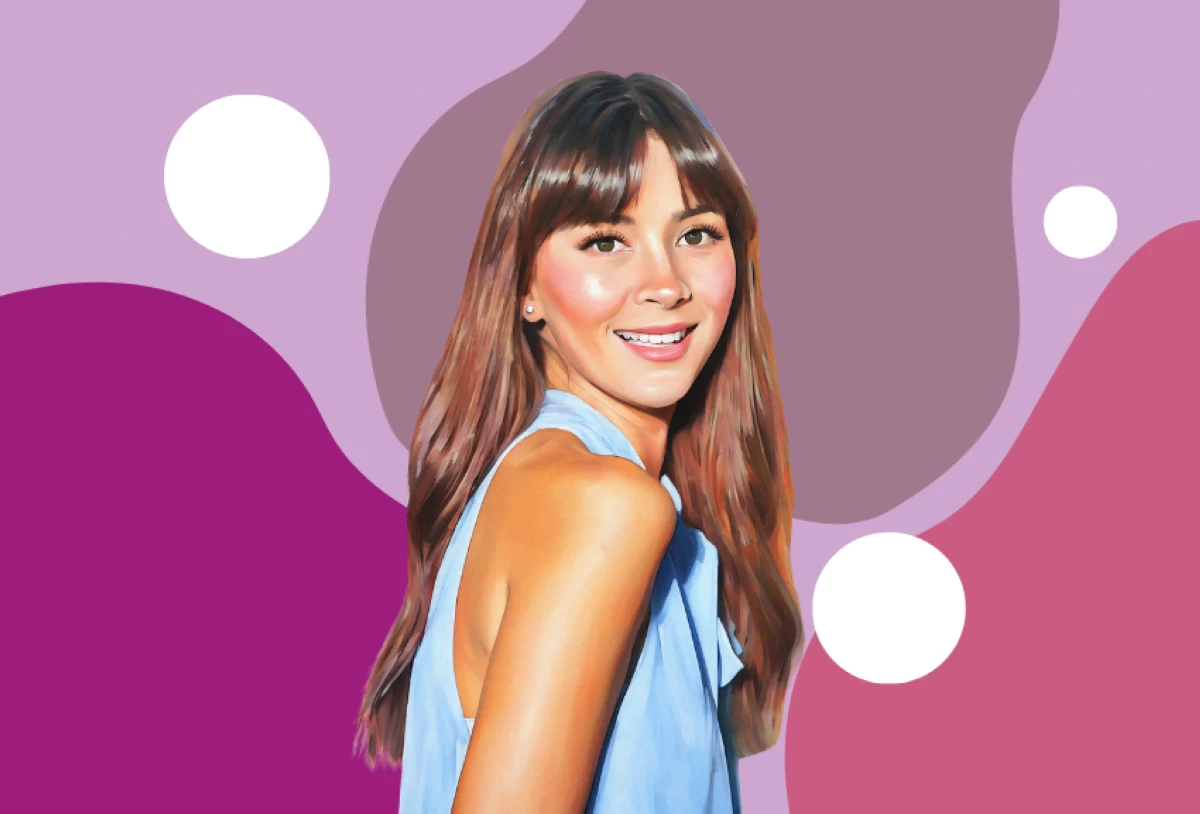
Bianca Gonzalez-Intal
At 17, while still a college freshman dreaming of becoming a filmmaker, Bianca Gonzalez-Intal stepped into the public eye through a television commercial. “It felt like a dream come true of a dream I didn’t know I had,” she tells Manila Bulletin Lifestyle. “But it also felt like a one-in-a-lifetime chance. I didn’t think it would open door after door after door for me.”
At the time, the media landscape looked very different. “Ask any model from my batch, and they would agree that fair-skinned or mestiza Filipinas dominated the TV and commercial roles,” she says. But representation was slowly shifting. She remembers seeing someone who looked like her on screen. “Angel Aquino, a beautiful, proudly morena Filipina I looked up to, had already starred in previous commercials. It opened my eyes to morena beauty being celebrated.”
Confidence in her identity started at home. “Growing up comfortable and proud of my morena skin, because my older sister Aissa is morena and beautiful—I had her to look up to. Our family never made us feel ashamed of our dark skin.” Still, rejection was part of the process. “I didn’t feel pressure to ‘fit’ a mold, but I did feel the frustration of getting rejection after rejection in videotape recordings and go-sees.”
Her older brother, JC, who had been modeling for years, offered perspective. “Sometimes even if you did well, if you’re not in the mold they have in mind, then it’s really not for you.” Eventually, the roles meant for her began to appear. “I did find that the roles and ads that were really meant for me, I landed.”
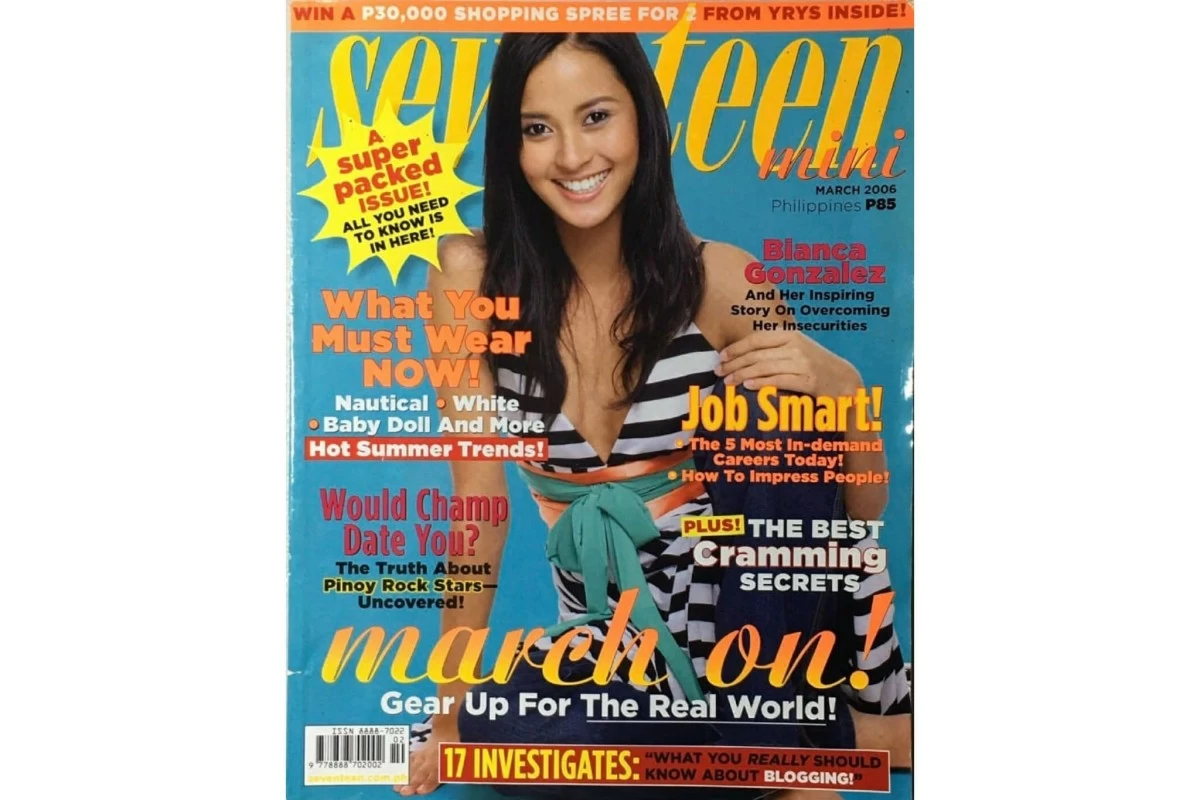
THROWBACK Bianca in the early days of her career
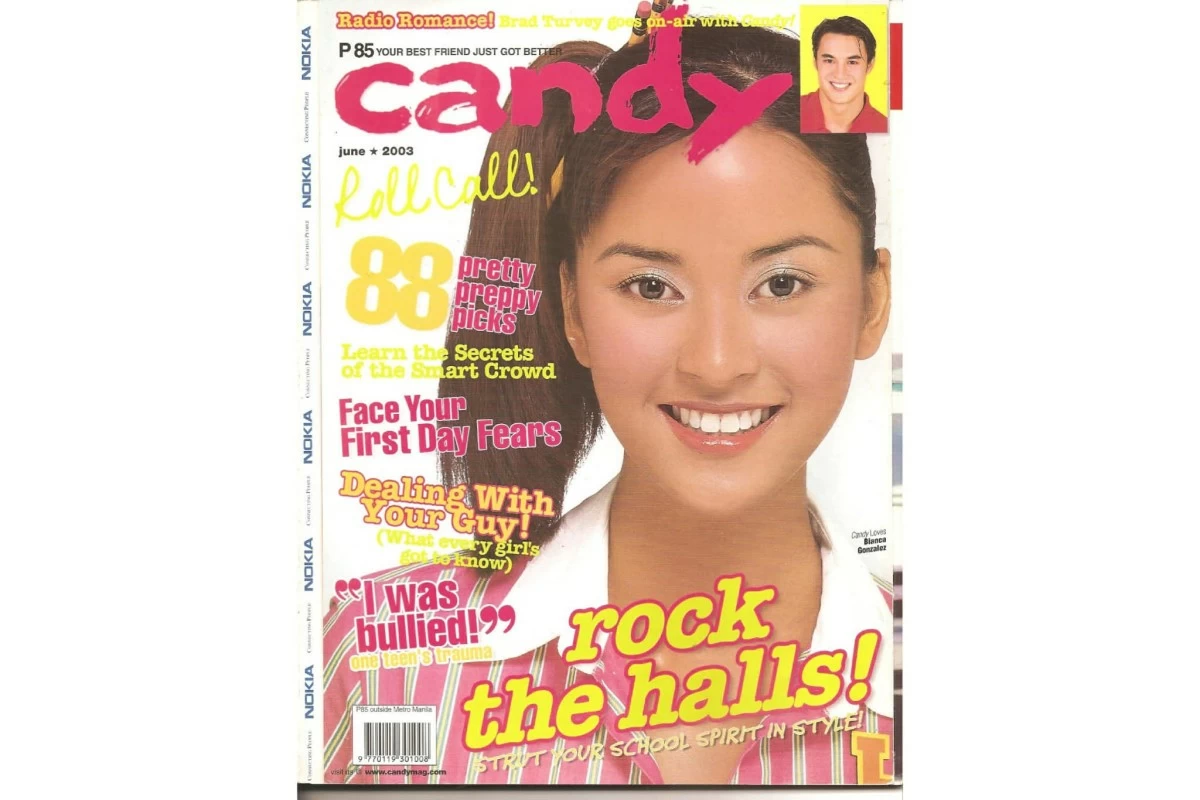
THROWBACK Bianca in the early days of her career
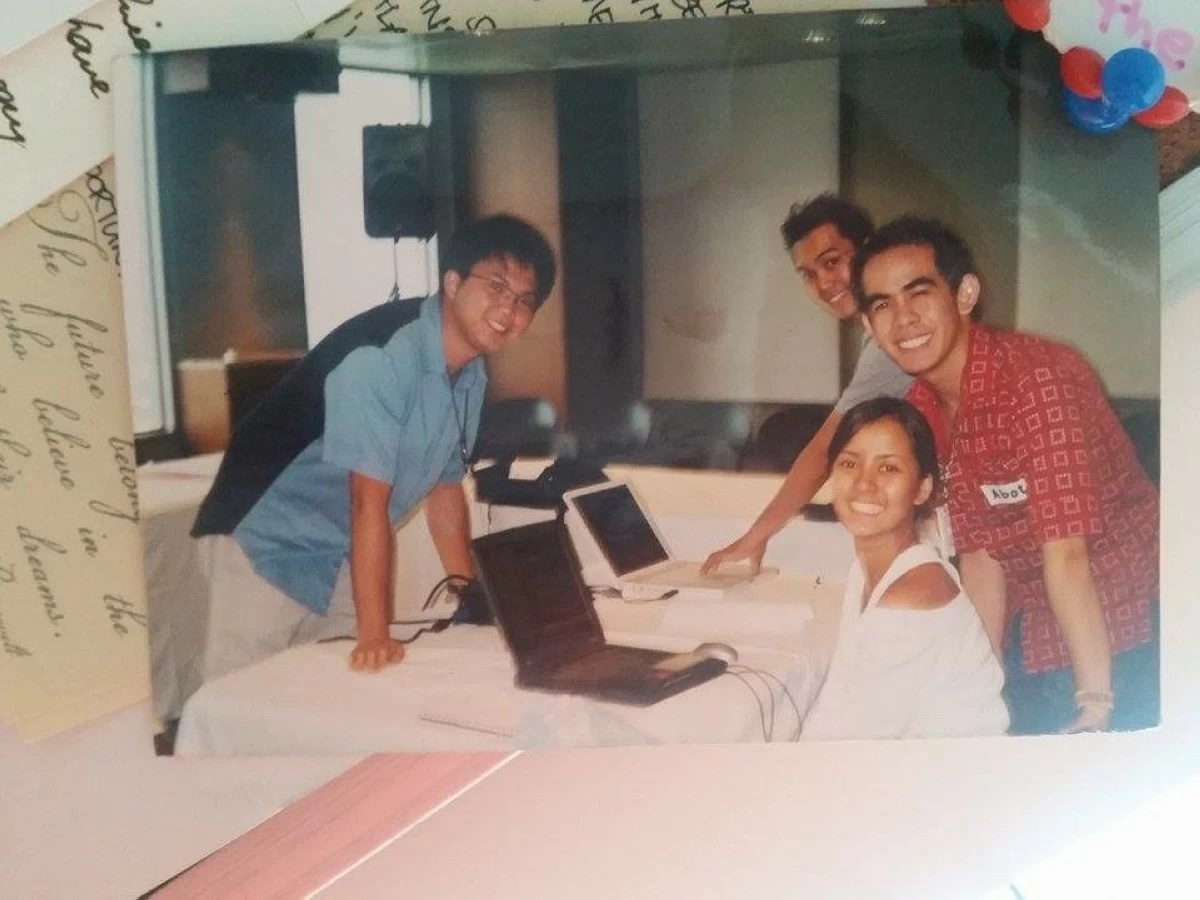
THROWBACK Bianca in the early days of her career
Her voice, their space
Public visibility brought a new awareness. People noticed not just what she did, but what she said. “I had been modeling for around three years by the time I was in my third year of college, and that’s when I started a blog,” she recalls.
Blogging then was simply a space for self-expression. “It was an online diary. No monetization, no ads. Just sharing thoughts.” The response from readers stayed with her. “Reading their comments in every post made me realize very early on that whatever ‘fame’ I had came with a big responsibility. Since then, it’s something I’ve never taken lightly.”
When asked if women in media today have more space to be authentic, she reflected on a recent conversation with her friend and mentor Karen Davila. “We both agree that ‘authenticity’ is overused and has lost much of its essence. Women today can take on many roles and are less boxed into being just one thing.” This encourages women to embrace multiple roles and continue to pave the way for others.
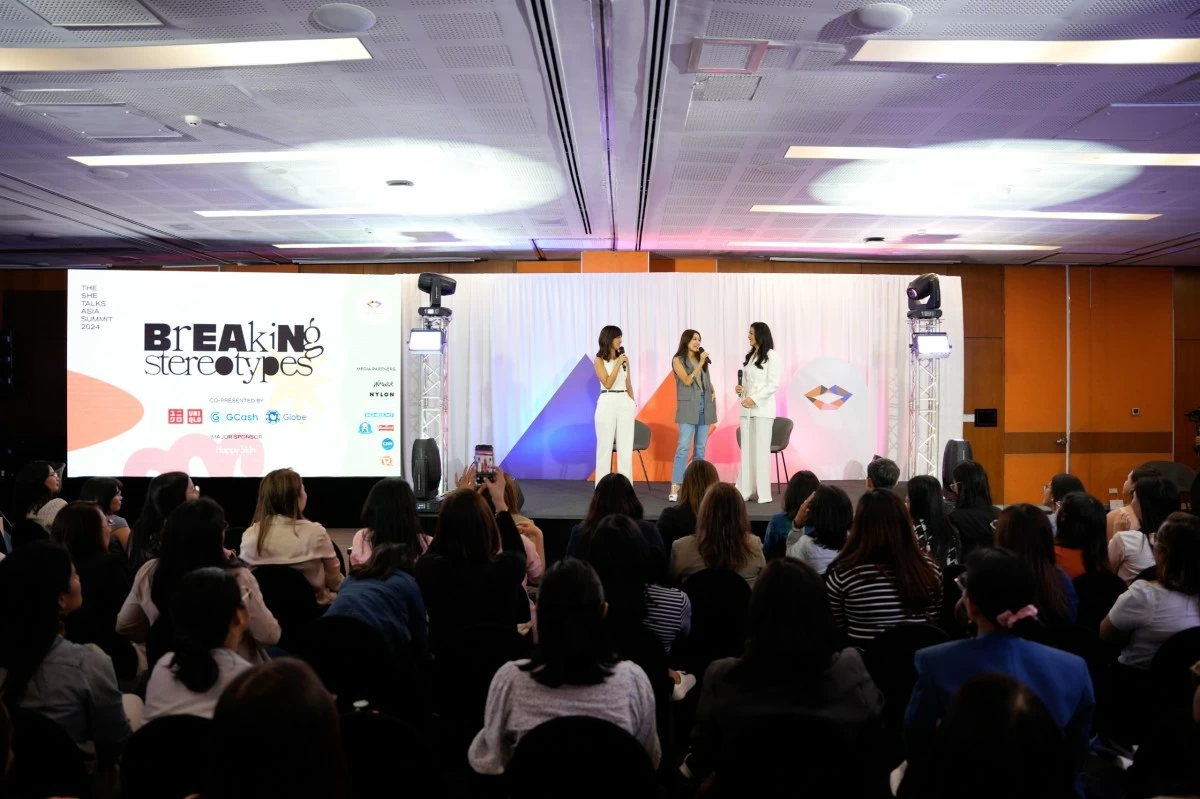
WHERE LADIES ARE SEEN AND HEARD She Talks Asia is a women’s empowerment community and advocacy agency that creates platforms, experiences, and conversations to educate, inspire, and support women and allies.
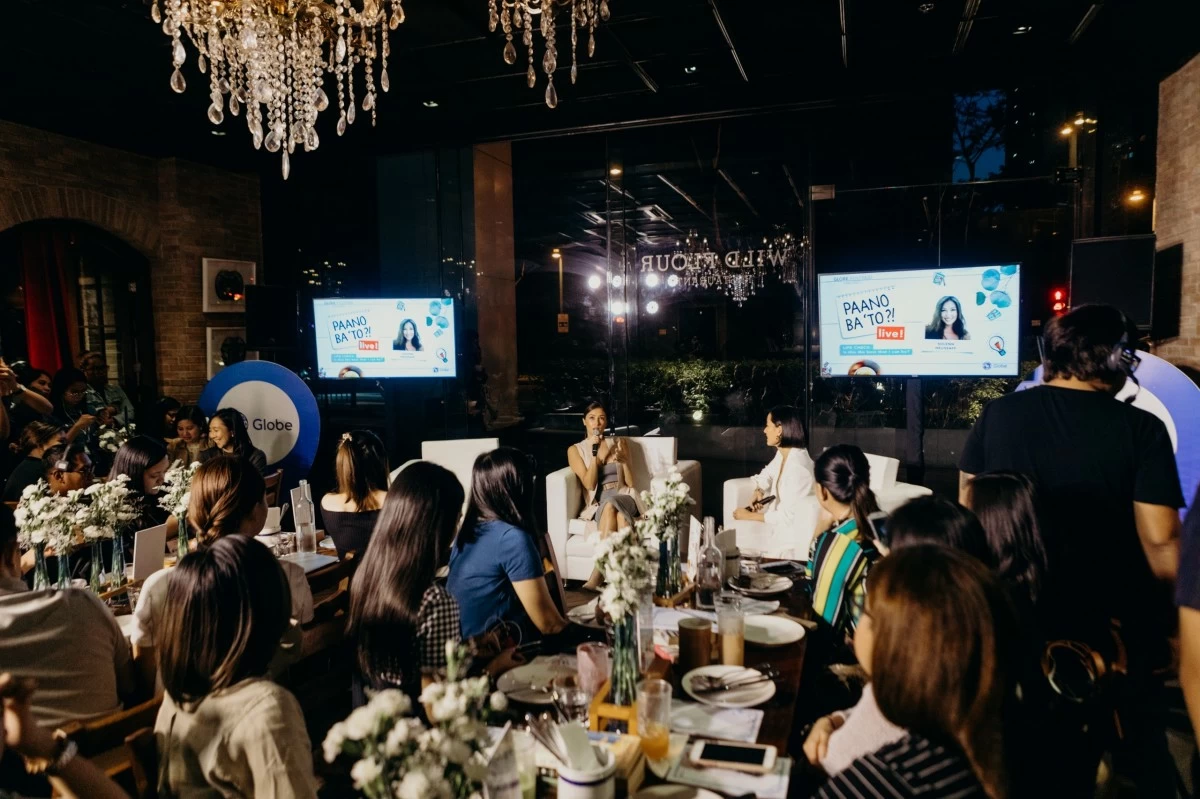
WHERE LADIES ARE SEEN AND HEARD “Paano Ba ‘To?!” is a multi‑format lifestyle advice project on topics like family, friendship, love, career, self‑confidence, and other issues young women face.
Seen, heard, and standing together
That sense of responsibility eventually led to one of her most meaningful projects. “Paano Ba ‘To?!" started as a book in 2014. At the time, she had already been writing as a magazine editor and newspaper columnist. She noticed a common thread in the questions people asked her. “Advice,” she says simply.
The project has since evolved into a broader platform. “I turned it into a YouTube video series, a live workshop, merch, and a podcast. What I love most is that I get to help people, not just others but myself, become better every day.”
She also co-founded “She Talks Asia,” a women’s summit and community that began in 2017.
“The summit was such a success that we ended up doing it every March and eventually expanded it to smaller events, social media content, and an active community we call our Tribe.”
What keeps her and She Talks Asia co-founders, Iza Calzado-Wintle and Lynn Pinugu, committed to the community is the opportunity “to build a space where women feel seen, supported, and nurtured, and to know that the work we do matters for women.”
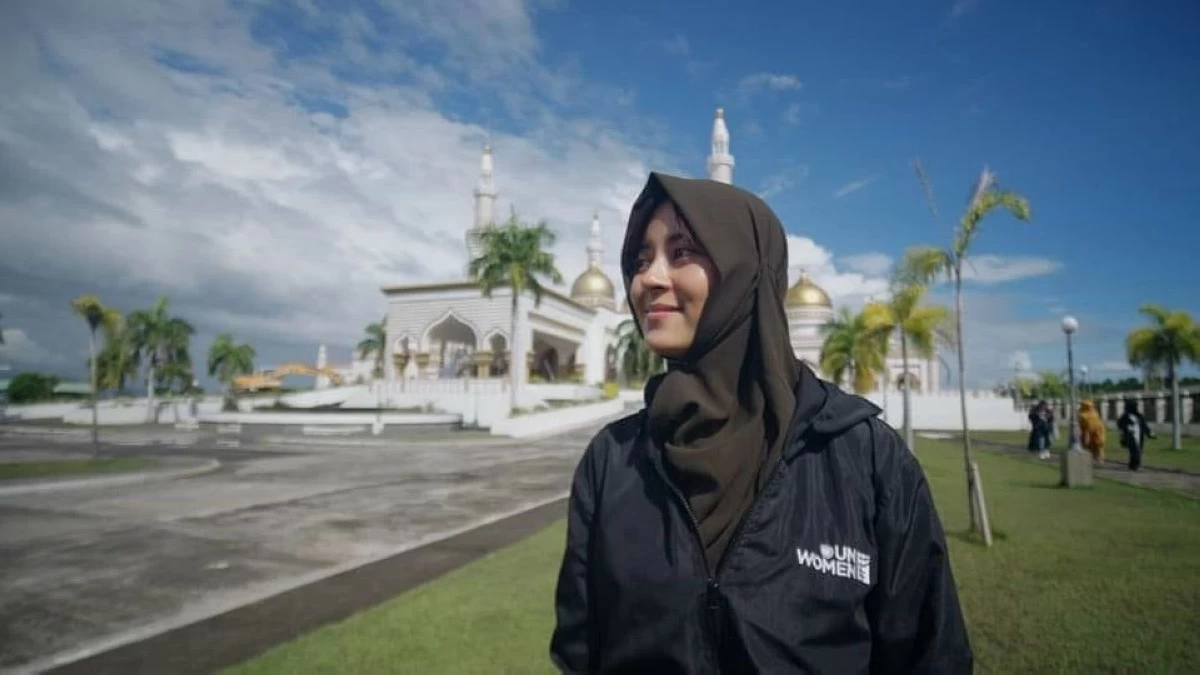
WALKING THE TALK Bianca and her various work as a UN Women volunteer
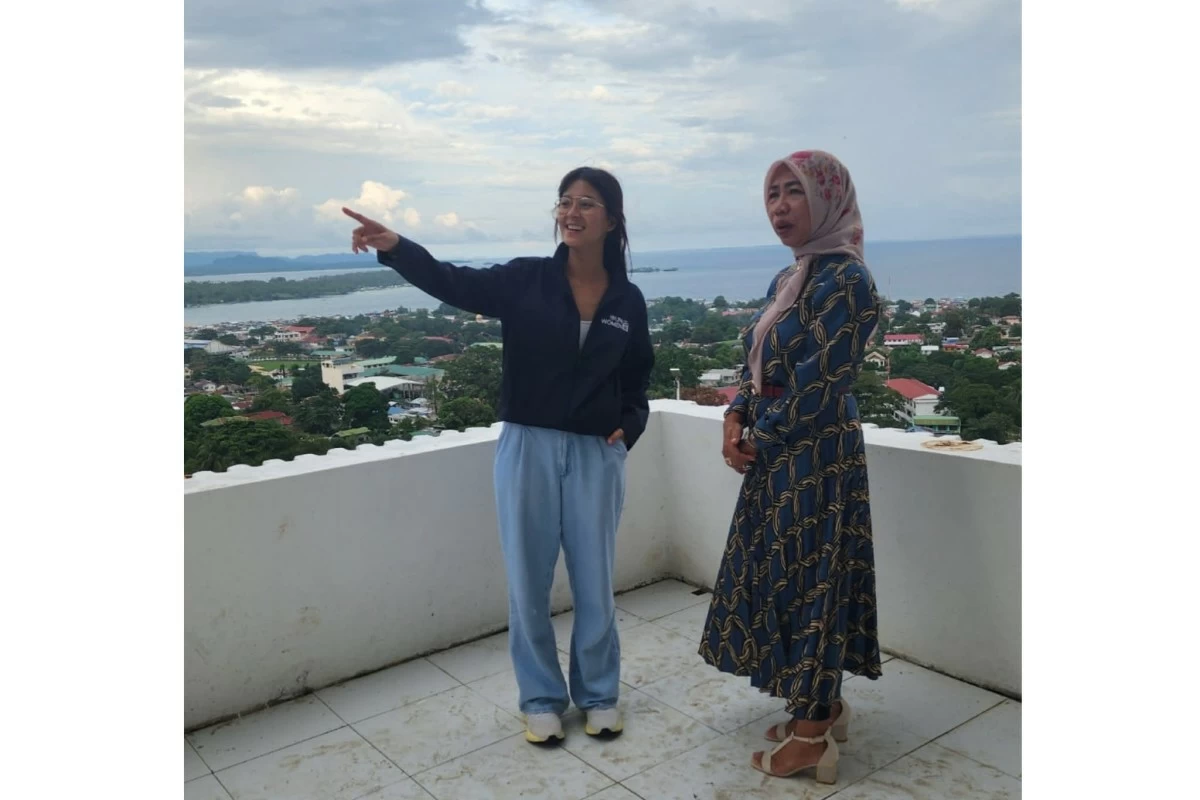
WALKING THE TALK Bianca and her various work as a UN Women volunteer
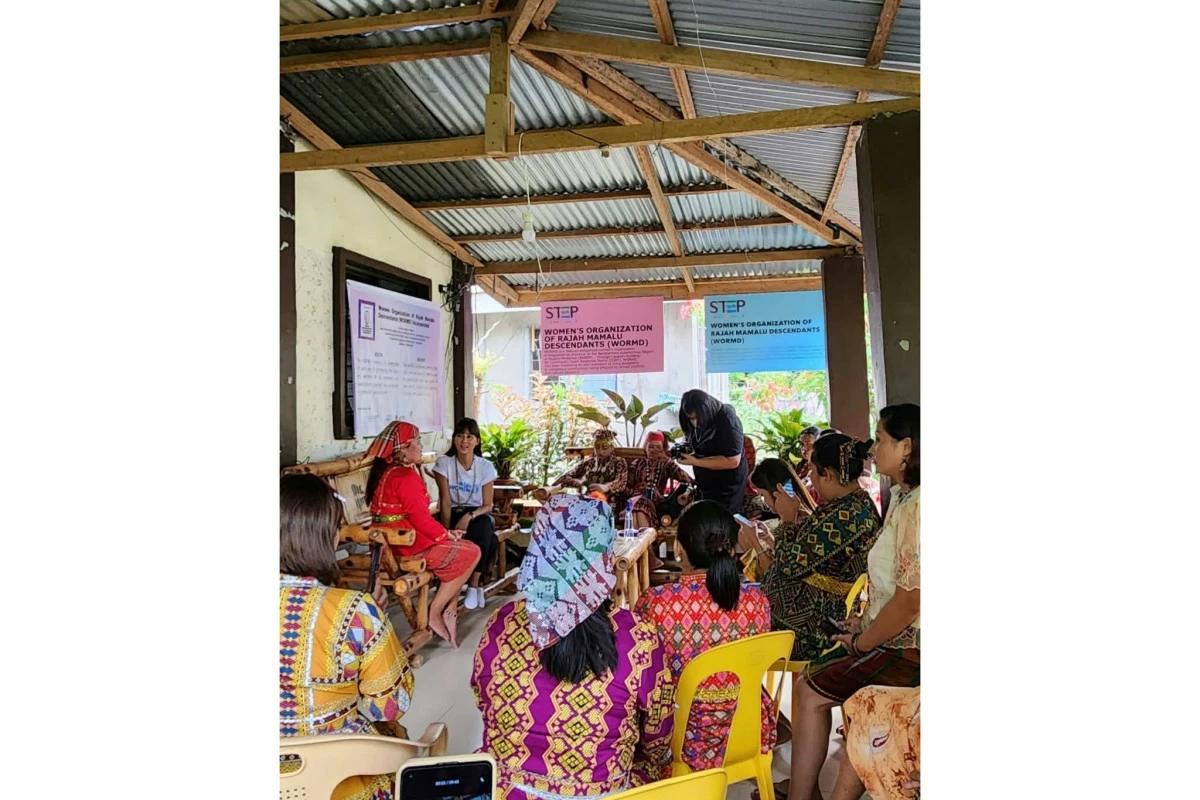
WALKING THE TALK Bianca and her various work as a UN Women volunteer
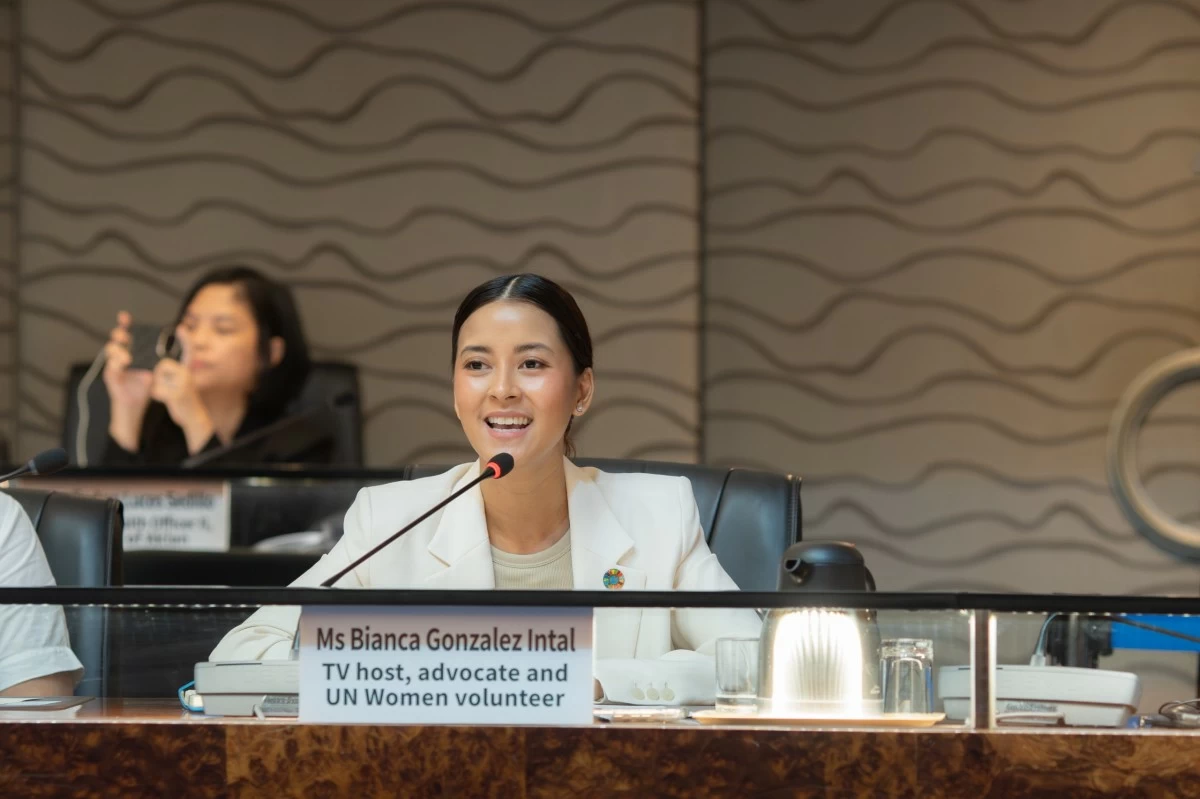
WALKING THE TALK Bianca and her various work as a UN Women volunteer
Conversations that matter
Through She Talks Asia and her work as a United Nations Women Philippines Champion, Bianca often moderates discussions about issues affecting women today.
“It is disheartening to see people in positions of power give sexist remarks, but encouraging to see many others call out this behavior,” she says. “Gender-based violence is a critical issue that women, regardless of age or economic status, are facing.”
Other conversations include the gender pay gap, unpaid care work, and the lack of women in leadership roles.
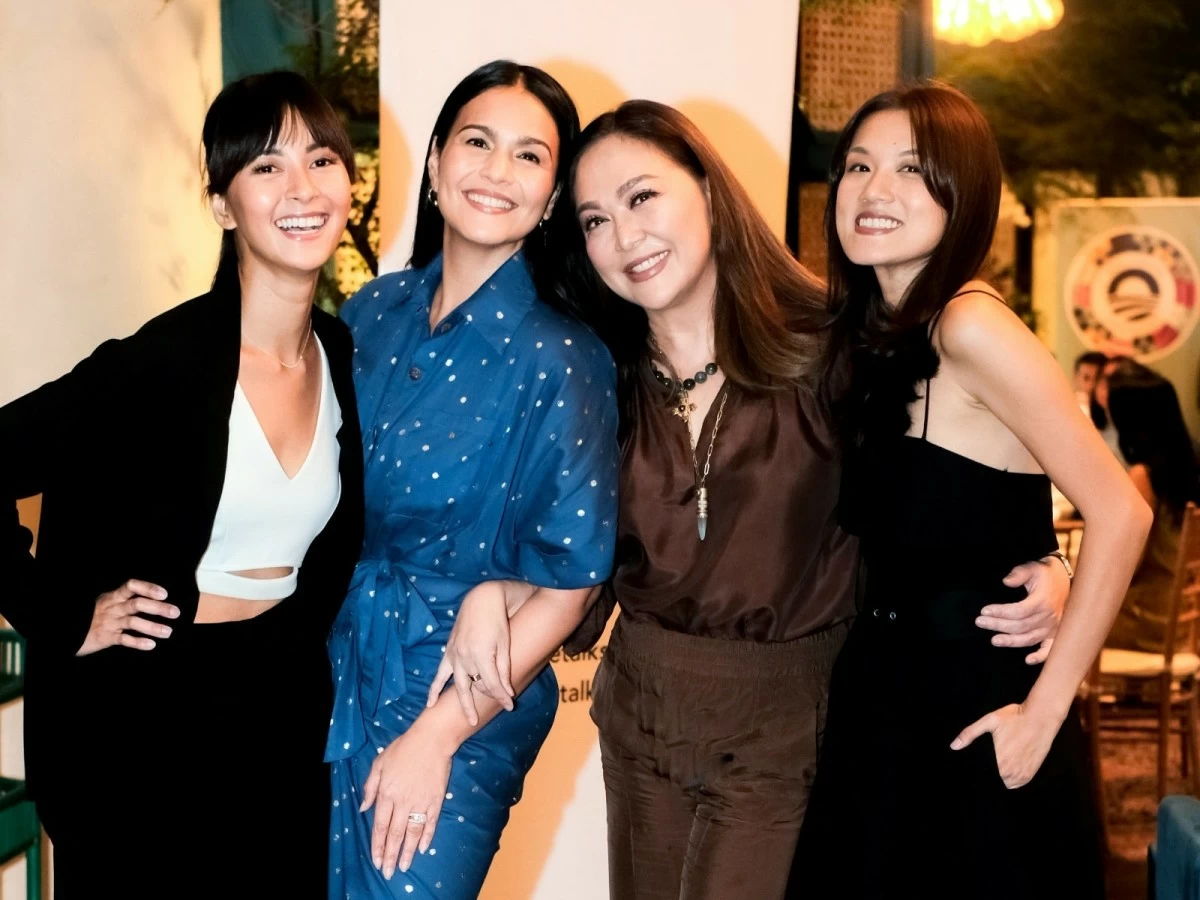
WOMEN FORWARD (From left) Bianca with Iza Calzado-Wintle, Karen Davila, and Lynn Pinugu
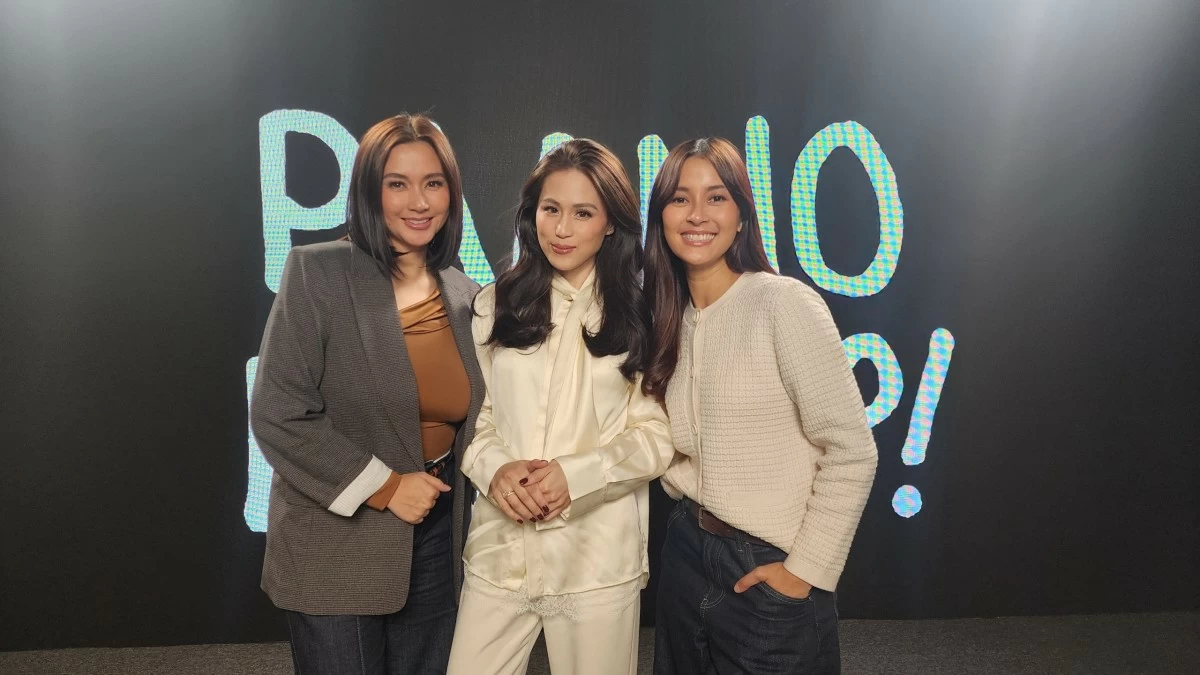
WOMEN FORWARD (From left) Mariel Rodriguez, Toni Gonzaga, and Bianca
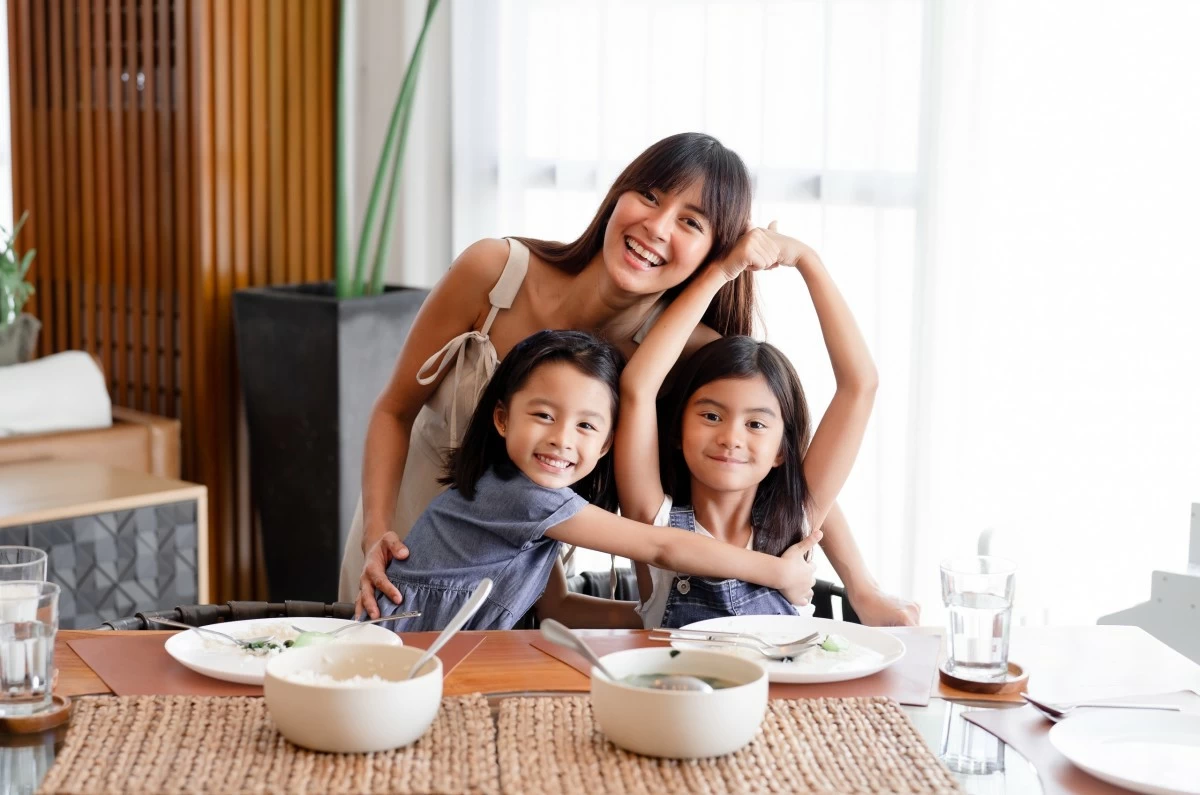
WOMEN FORWARD Bianca with her daughters Lucia and Carmen
Raising the next generation
These days, many of her reflections happen at home while raising her daughters. “This is my biggest ‘Paano Ba ’To?!’ right now,” she says of parenting in the digital age. “I tell them they can do hard things and that their uniqueness is their gift.”
For Bianca, being seen goes beyond titles or recognition. “It’s when someone respects you for who you are as a person, sans status, title, wealth, or fame. If you still know who you are despite the add-ons, and you know people who will stand by you, then you are truly seen.”
Her message this International Women's Day is simple. “We can’t do it alone. Find your tribe, don’t be afraid to ask for help, allow others to shine alongside you, and be a woman for others.”