






Manila Bulletin
 Lifestyle
Arts and Culture
Filipina feminism and Martial Law-era works shine in Singapore
Lifestyle
Arts and Culture
Filipina feminism and Martial Law-era works shine in Singapore
Lifestyle
Arts and Culture
Filipina feminism and Martial Law-era works shine in Singapore
Filipina feminism and Martial Law-era works shine in Singapore
Imelda Cajipe Endaya's art featured at the National Gallery Singapore
By Poch Eulalia
Published Mar 7, 2026 02:25 am
|
Updated Mar 10, 2026 09:41 am


At A Glance
- To speak out against the regime was ultimately a death sentence, and yet that didn't stop Imelda.
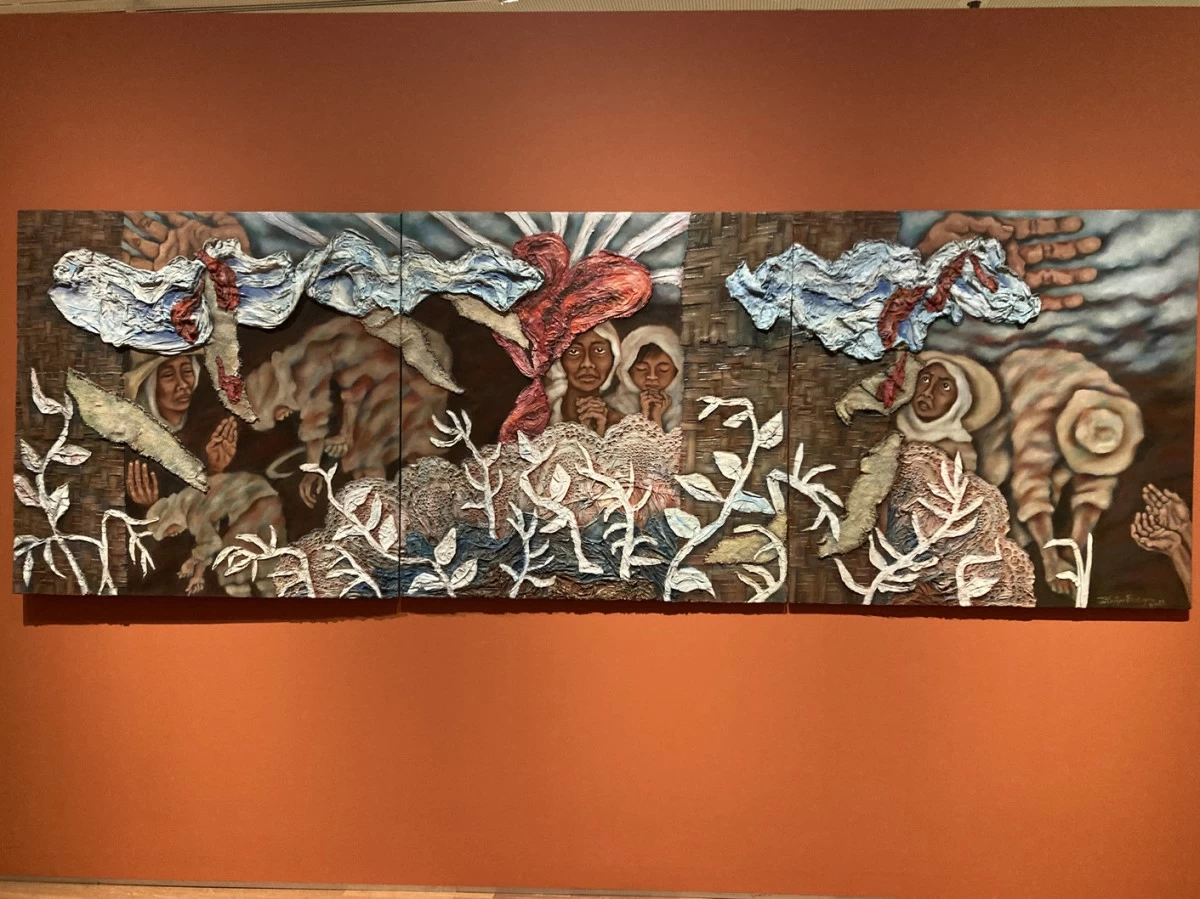
'LUPA SA AMING ALTAR (LAND UPON OUR ALTAR),' Sawali sheets, cloth, doilies, and oil paint, 1987-1988
Upon visiting the National Gallery Singapore on a whim, two things stood out. Its institution’s openness to the unusual, with contemporary works like eggplants attached to a wall and a literal jar of an artist’s urine on full display, and the works of a Filipina artist being presented in an ongoing exhibit.
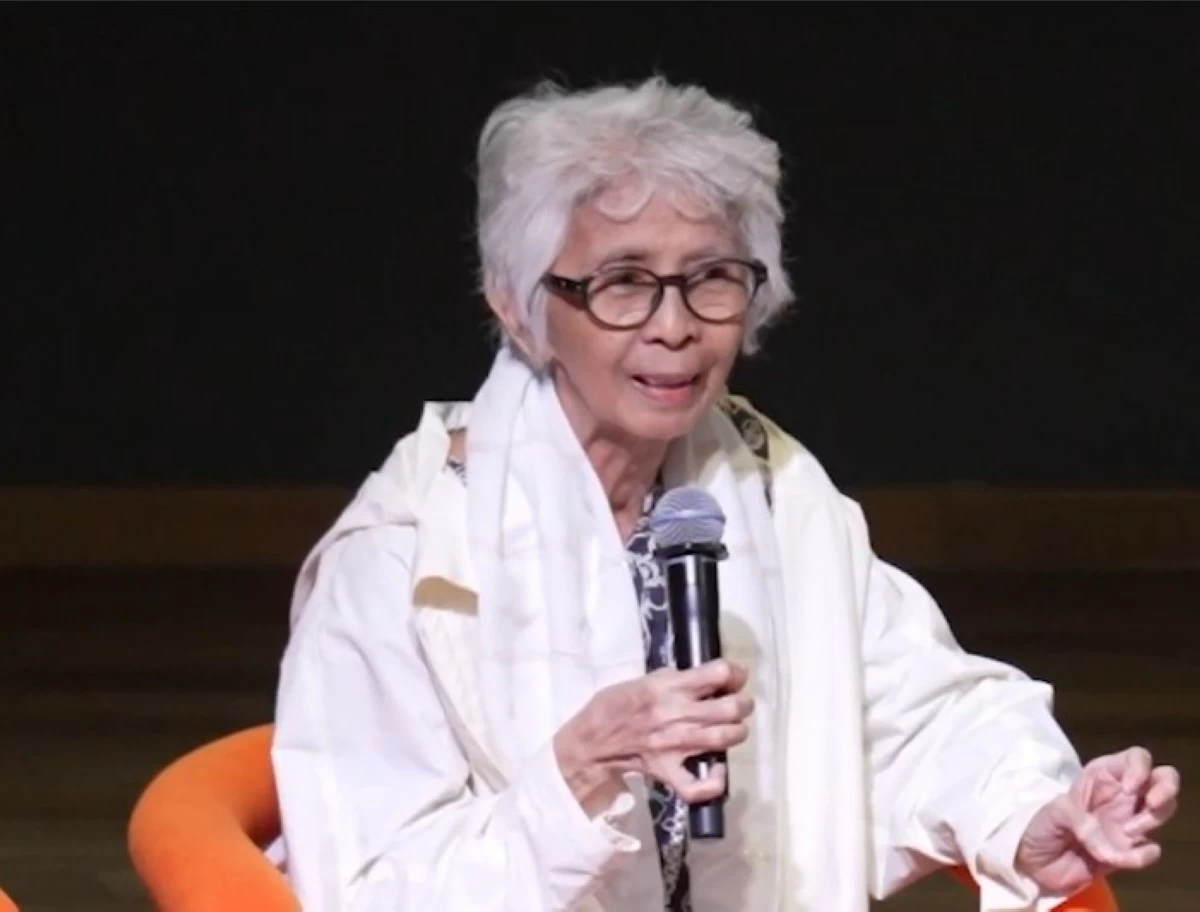
MEET THE ARTIST Imelda Cajipe Endaya (Screenshot Gallery National Singapore)
Imelda Cajipe Endaya began her career in the late ’60s. Right around this time, the nation was in a rocky state. Martial Law was lingering in the air, with critics of President Ferdinand Marcos Sr. ultimately being silenced, some even meeting their untimely demise. To speak out against the regime was ultimately a death sentence, and yet that didn’t stop Imelda. Using her art, she presented the struggles faced by women and migrant communities, voices that were ignored or hushed up by the powers that were. It’s most evident through her poster works, “Woman Power/Stop Nuclear Plant,” “Halimaw na Planta Nukleyar Plant (Monster Nuclear Plant Plan),” and “Kastigo (Punishment).” The first two tackled the government’s plan at the time to put up a nuclear plant in Bataan, while the latter showed ideals of the feminist movements brewing at the time.
One of her earlier works on display, “As Though The World Fell on Me,” shows multiple faces in a languished state. In the center, we can make out the body of a woman, seemingly deep in thought, or perhaps anguish, given the dark, moody blues used to color the scenario.
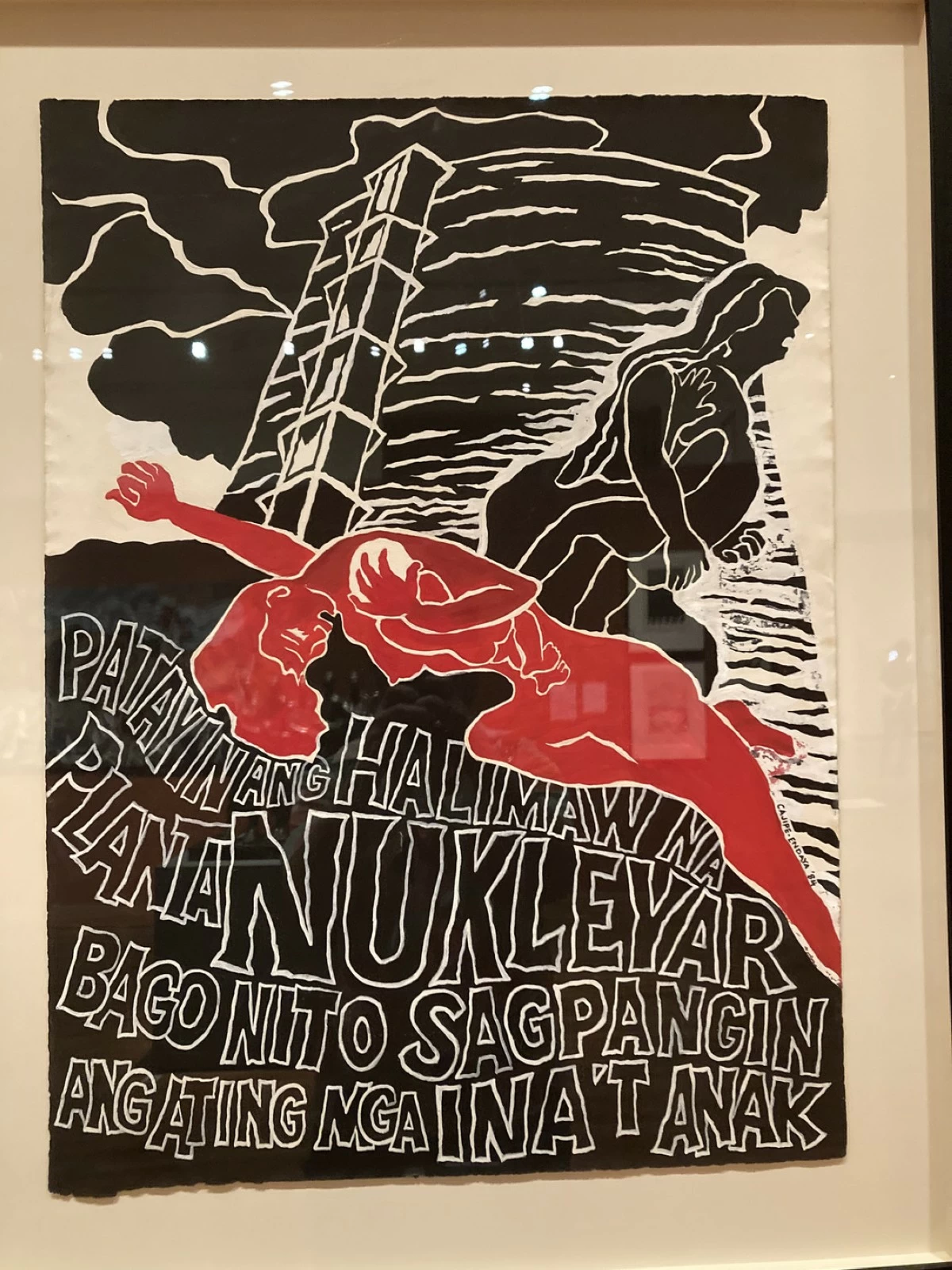
'HALIMAW NA PLANTA NUKLEYAR PLANT (MONSTER NUCLEAR PLANT PLAN),' tempera on watercolor paper, 1984
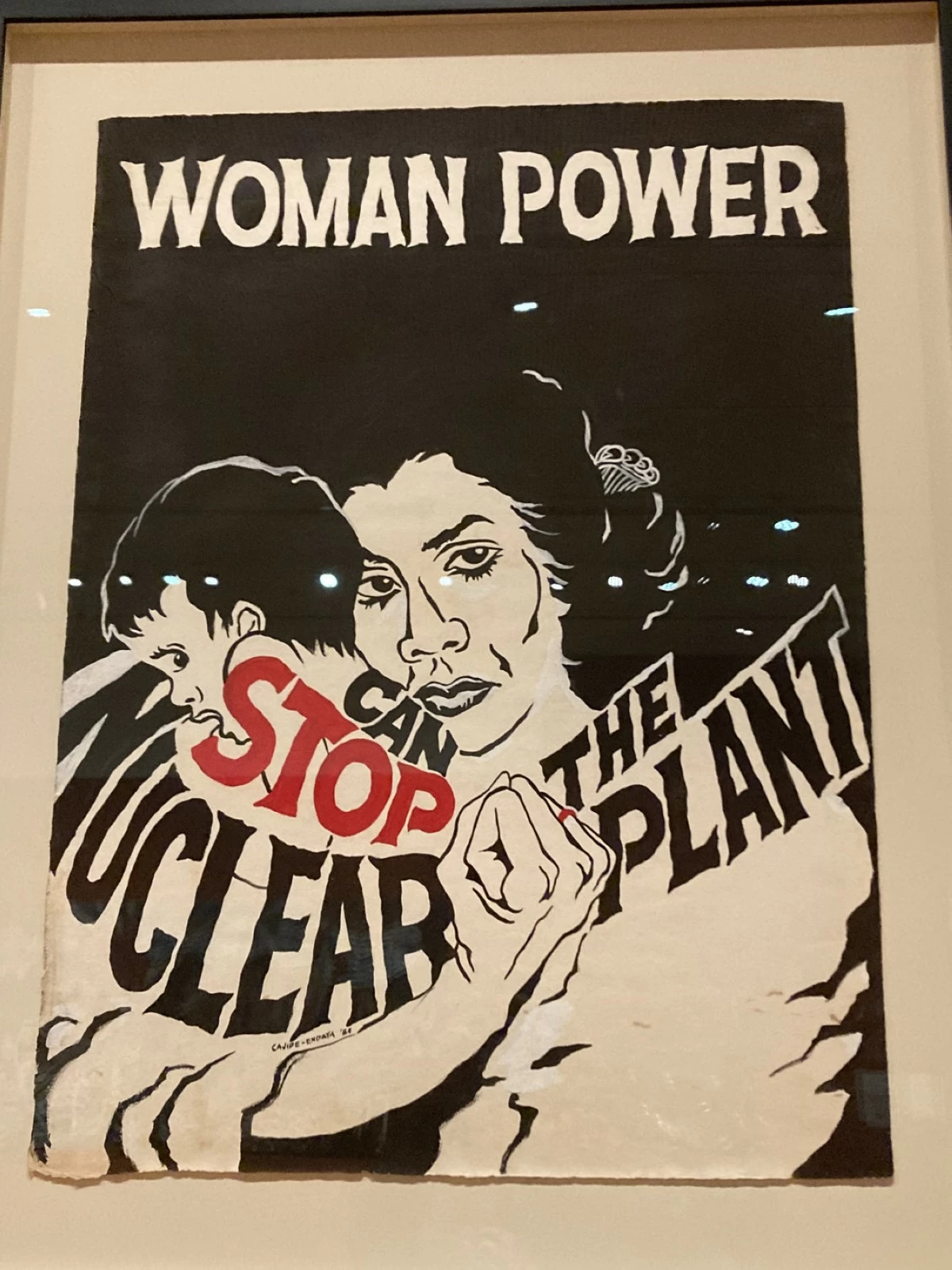
'WOMAN POWER STOP NUCLEAR PLANT,' tempera on watercolor paper, 1984
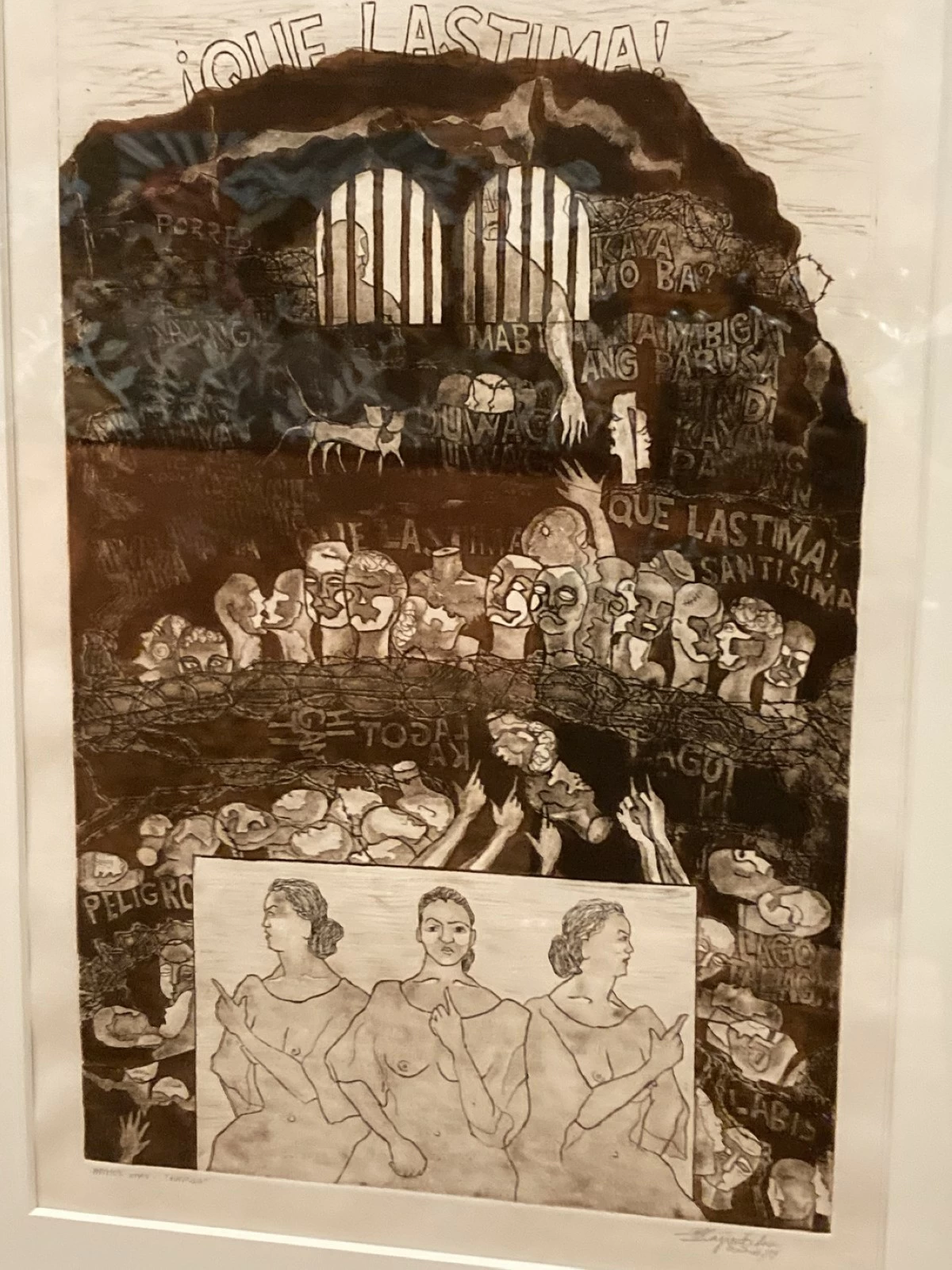
'KASTIGO (PUNISHMENT)' etching, 1974
Even in the post Martial Law-era, Imelda continued to speak out about the everyday struggles women faced. “Sa Plantsahan ni Marra (At Marra’s Ironing Board)” depicts a headless, limbless woman at an ironing station. Wrapped around the woman’s neck is the iron’s cord. The statue is seen wearing a patadyong textile, to associate the figure with the working and farming class. On the ironing board, cloth can be seen inscribed with Marra P. L. Lanot’s poem, “Babae Kami (We Are Women).” The poem shares the domestic roles women are often confined to. Even if the work was made back in 1992, these are sentiments many women can still feel today. This piece makes you reflect on why, even now, men in power dismiss women through sexualizing them and making snide remarks on how they should act, dress, and feel.
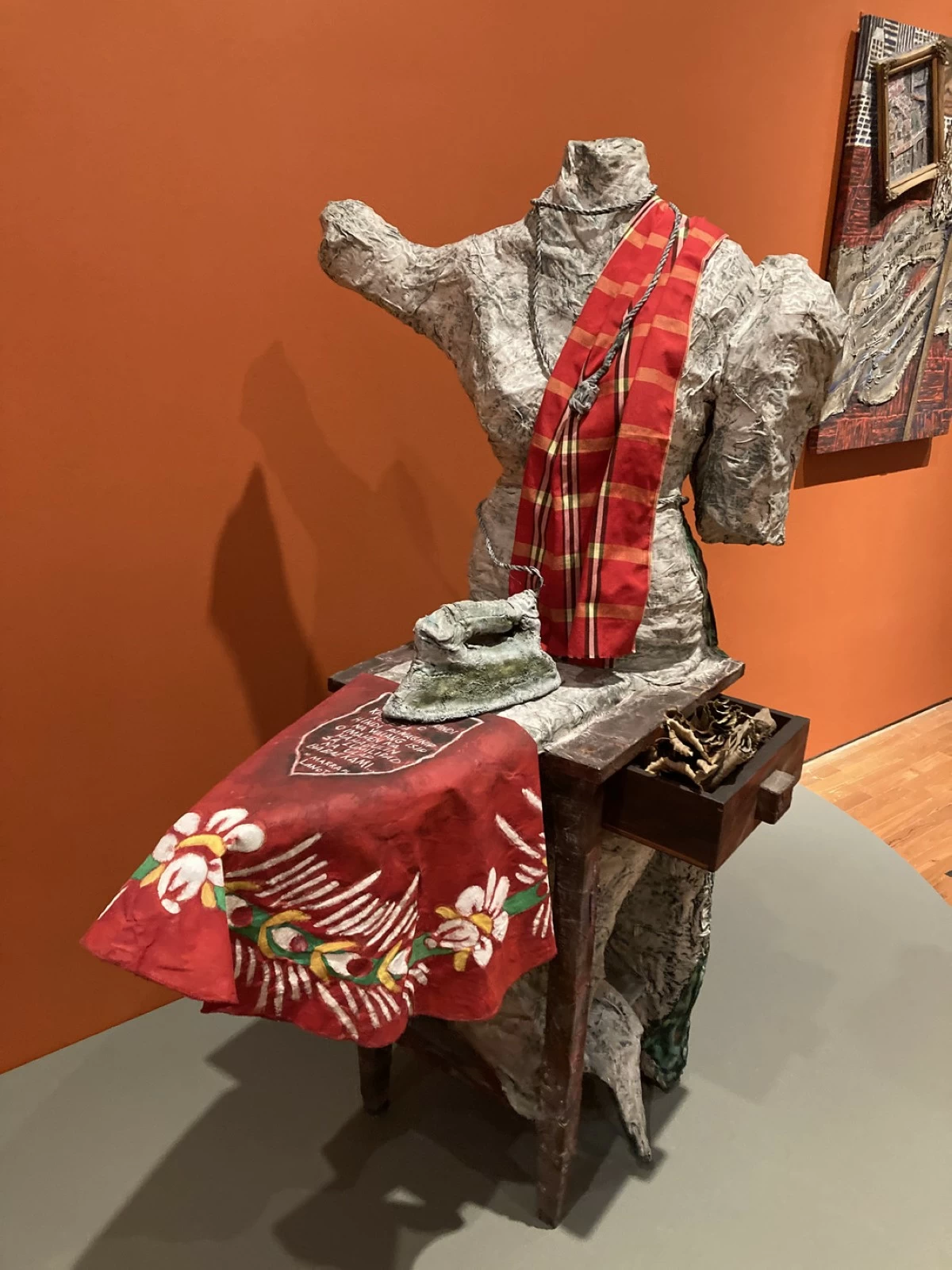
'SA PLANTSAHAN NI MARRA (AT MARRA'S IRONING BOARD),' mixed media, 1992
Imelda is one of five female artists across Southeast Asia whose works are being presented at the gallery to honor their roles as artists, educators, writers, or community organizers. It runs until November 2026.