







Año urges other Filipino 'spies' to come forward
Published Mar 7, 2026 08:54 am


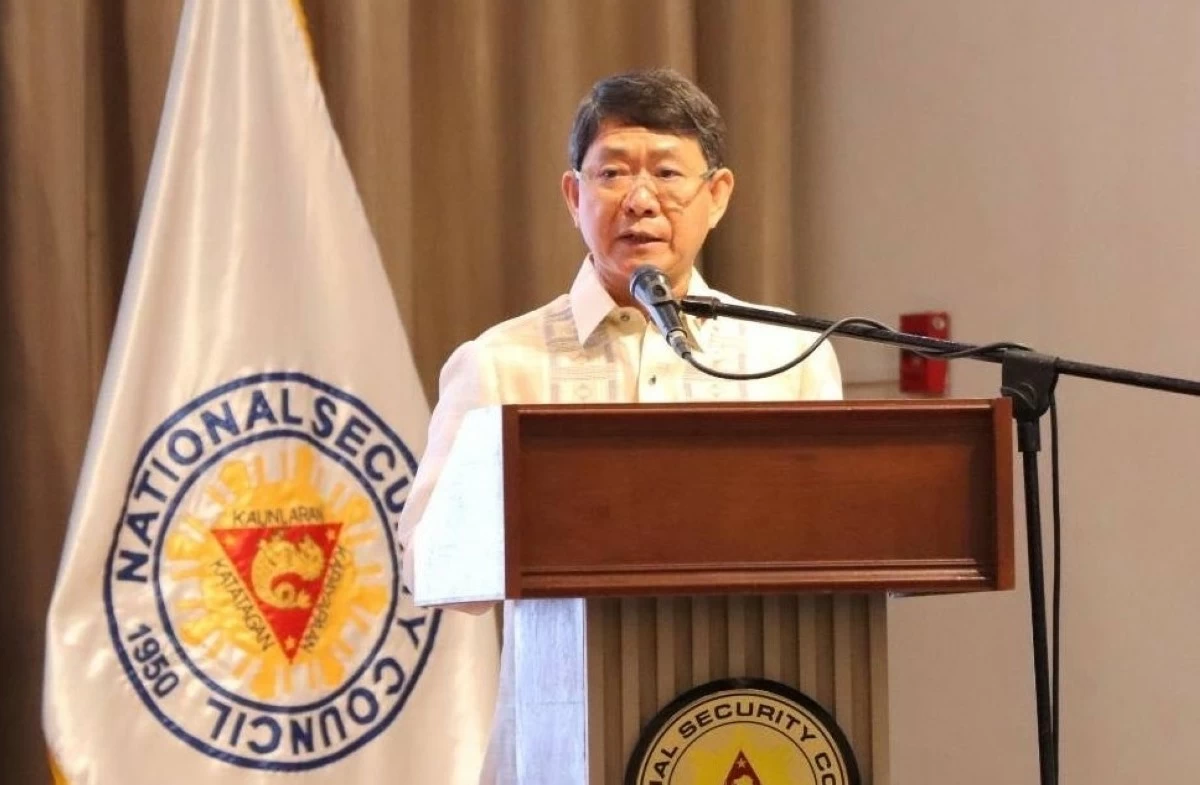
National Security Adviser Eduardo Año (Photo: National Security Council)
Following the revelation that at least three Filipinos were apprehended by the authorities for allegedly leaking sensitive military information to Chinese nationals, National Security Adviser (NSA) Eduardo Año called on other government workers who may have been recruited for espionage to immediately report the approach to authorities.
Año warned that recruitment often begins with seemingly legitimate job offers that promise a lucrative amount of money in exchange for information.
“We call on our fellow Filipinos, especially those working in government, to remain vigilant. Take a close look at those job offers being presented to you. That is how it often begins, until you eventually find yourself in a situation where you are already being used as a spy,” he said.
“Those who are also being attempted to be recruited should immediately inform your respective superiors so we can help address your situation,” he added.
Despite the concerning discovery that there had been Filipino spies who were government workers, Año said the information they leaked did not pose a serious threat to national security.
“There was some sensitive information but it was not that high-level. No information that posed a threat was disclosed,” he shared.
Among the information that surfaced were internal discussions and details related to the military’s rotation and resupply (RORE) missions to troops stationed in disputed areas of the West Philippine Sea (WPS).
These missions involve sending ships to deliver food, fuel, and other supplies to military personnel, including those stationed aboard the grounded naval vessel BRP Sierra Madre at Ayungin (Second Thomas) Shoal.
“There were other sensitive matters, such as the schedules of the RORE. In the past, some internal discussions were leaked but they did not cause any damage to our national security,” Año said.
The government has since tightened monitoring of possible espionage activities following the arrests and the admissions of the suspects.
The three Filipino informants were discovered through the military’s Insider Threat Program (ITP), a security system designed to detect, prevent, and respond to threats that may come from within the military organization itself.
The threats may involve personnel who intentionally or unintentionally compromise classified information, facilities, operations, or national defense interests.
Año declined to provide details about the government’s countermeasures because investigations remain ongoing.
“We cannot divulge the course that we have undertaken. There are ongoing investigations. But I can assure the public that everything has been checked and we will review everything,” he said.
“This is a national security matter. We will make sure that their espionage effort against us will not succeed,” he added.