






 Business
Banking & Finance
Remolona warns BSP may raise rates if oil hits $100/barrel
Business
Banking & Finance
Remolona warns BSP may raise rates if oil hits $100/barrel
Remolona warns BSP may raise rates if oil hits $100/barrel


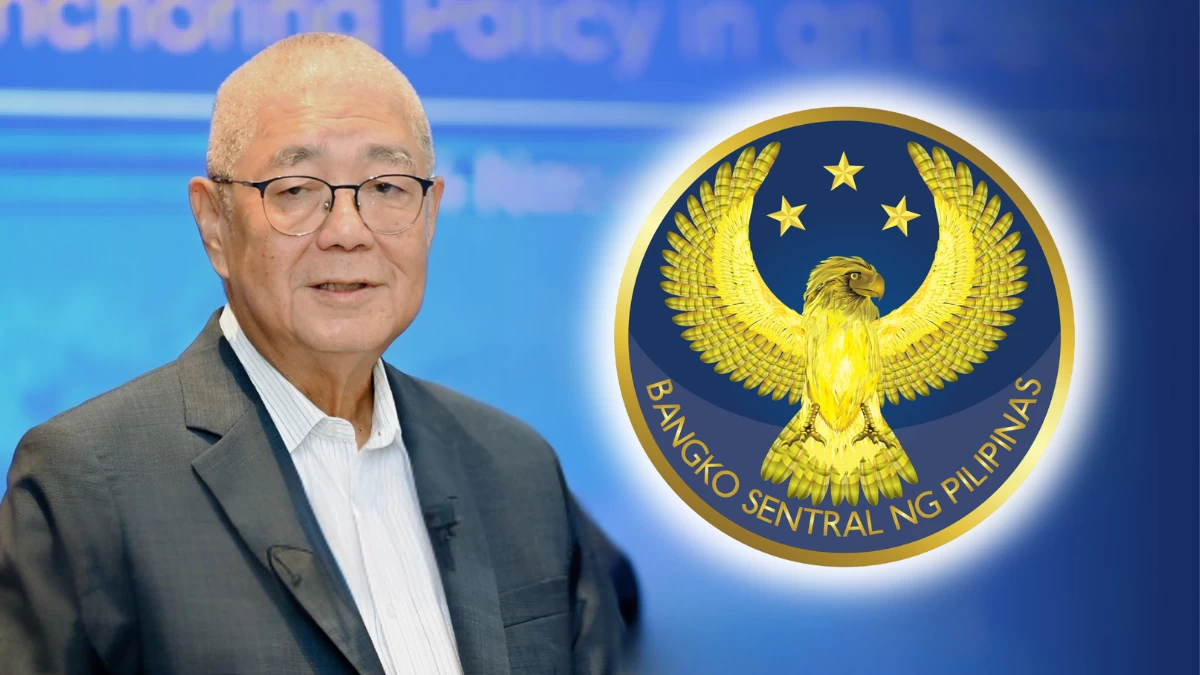
The Bangko Sentral ng Pilipinas (BSP) may need to raise interest rates if global oil prices surge to $100 per barrel, as such a spike could push inflation beyond the central bank’s comfort range, BSP Governor Eli M. Remolona Jr. said.
In an interview on Bloomberg TV on Friday, March 6, Remolona said a sharp rise in oil prices—partly linked to tensions in the Middle East—could force the central bank to reverse its easing stance and increase borrowing costs to keep inflation in check.
Remolona signaled a possible tightening of monetary policy, which means the BSP would raise interest rates, making loans more expensive in order to slow spending and prevent prices from rising too quickly.
The BSP chief said oil at $100 per barrel could push Philippine inflation to about four percent, breaching the BSP’s tolerance range.
“When the price of oil begins to have effects on the prices of many commodities, that tends to be something we have to worry about when it comes to inflation,” he said.
The BSP targets manageable inflation within a two- to four-percent range, and sustained oil price increases could quickly spill over into transportation, electricity, and food costs.
Remolona said the main effect from the Middle East conflict will be on inflation, adding that it would act as a supply shock unless “we control it somehow.”
The remarks come after the BSP cut interest rates last month to support the economy.
In February, the central bank lowered its policy rate by 25 basis points (bps) to 4.25 percent, citing slowing domestic growth and easing inflation pressures.
At the time, Remolona said the move was meant to help stimulate economic activity by making borrowing cheaper for businesses and consumers.
However, the BSP has repeatedly stressed that its policy path remains data-dependent, particularly as global risks—including energy prices and geopolitical tensions—could quickly alter the inflation outlook.
A sustained oil price spike could therefore complicate the central bank’s plans to continue easing monetary policy this year.
National Statistician Claire Dennis S. Mapa told Manila Bulletin last Thursday, March 5, that over 36 percent of the consumer price index (CPI) basket could be directly or indirectly vulnerable to rising oil prices.