ADVERTISEMENT

Philippine Red Cross, partners strengthen climate resilience efforts through Zurich Climate Resilience Alliance

Published Mar 6, 2026 02:52 pm
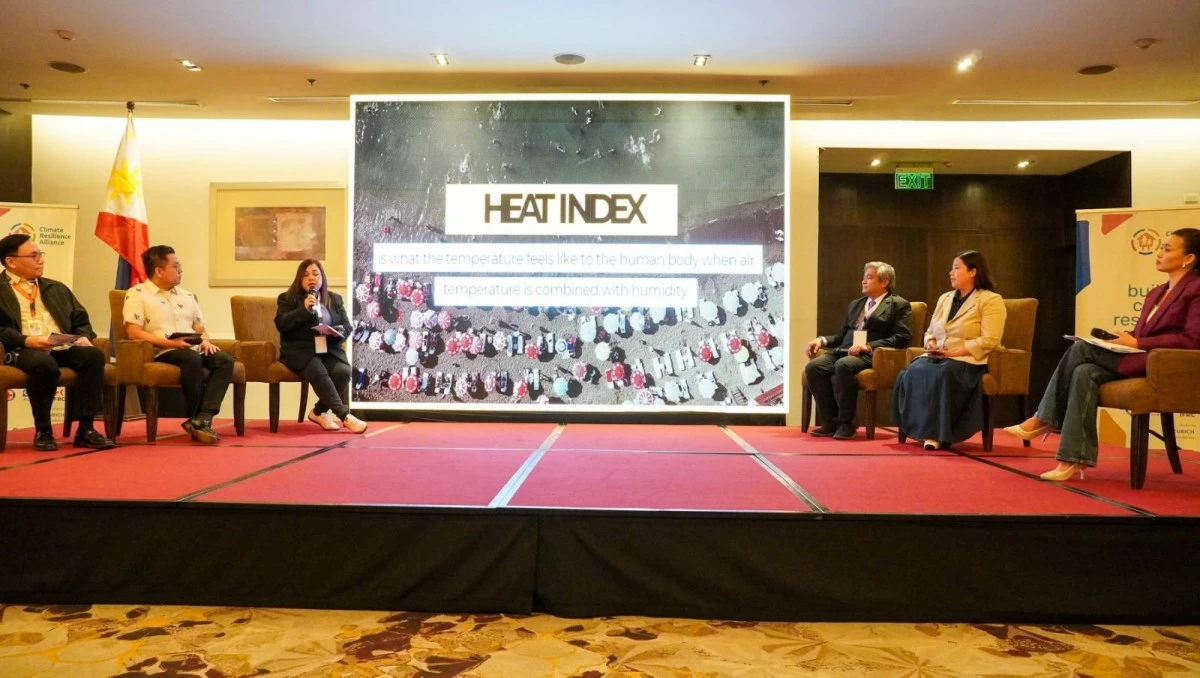
Philippine Red Cross and partners from the Zurich Climate Resilience Alliance convene government agencies, local leaders, and community representatives during the Climate Resilience Multi-Stakeholder Forum in Metro Manila to strengthen collaboration on climate adaptation and disaster preparedness initiatives. (PRC photo)
The Philippine Red Cross (PRC), together with partners from the Zurich Climate Resilience Alliance (ZCRA), conducted a series of engagements in Metro Manila to strengthen collaboration and advance climate resilience initiatives for vulnerable communities across the Philippines.
A key highlight of the week-long activities, from March 2 to 6, was the Climate Resilience Multi-Stakeholder Forum held on March 4 at Crowne Plaza Manila Galleria in Quezon City.
During the forum, the ZCRA Philippines Country Coordination Mechanism was reinforced through the signing of a Terms of Reference among the PRC, Plan International Pilipinas, and the International Federation of Red Cross and Red Crescent Societies (IFRC) Philippine Country Office.
PRC said the forum gathered representatives from national government agencies, local government units, development partners, and community leaders to discuss strategies aimed at strengthening climate resilience in vulnerable communities.
Pasig City Disaster Risk Reduction and Management Office Chief Bryant Meryll Ruiz Wong presented the city’s roadmap for urban resilience, while youth representatives Kim Harold Dela Cruz and Bea Marie Vicente from Navotas City highlighted the role of young people in promoting climate-resilient communities.
Breakout sessions facilitated by Plan International, IFRC, and the Z Zurich Foundation explored topics such as inclusive development, community participation in local adaptation planning, and strategies to address extreme urban heat.
Experts from the Philippine Atmospheric, Geophysical, and Astronomical Services Administration (PAGASA) also shared insights on climate risks and weather trends.
The discussions also opened opportunities for collaboration with the Department of the Interior and Local Government–National Capital Region and the Climate Change Commission.
The forum concluded with a Stakeholders’ Signing of Commitment, where participating leaders pledged support for inclusive climate action to help ensure that resilience becomes a standard across Filipino communities.
PRC Chairman and CEO Richard J. Gordon underscored the importance of sustained partnerships in strengthening climate resilience.
“Through the Zurich Climate Resilience Alliance and the REACH Project, the Philippine Red Cross is able to contribute to stronger, climate-resilient communities,” Gordon said.
“By working closely with partners and local stakeholders, we can help communities better anticipate, prepare for, and adapt to the increasing risks brought about by climate change,” he added.
PRC Secretary General Dr. Gwendolyn T. Pang also expressed appreciation for the collaboration among partners and stakeholders.
“We extend our sincere gratitude to our partners, government agencies, local leaders, and community members who contributed to the success of this initiative. Your shared commitment and collaboration are vital in advancing climate resilience and ensuring that no community is left behind in the face of climate challenges,” Pang said.
On March 5, the REsilience and Adaptation to Climate Hazards (REACH) Project Resilience Caravan was held at the Kaalinsabay Covered Court in Barangay Manggahan, Pasig City, reaching around 500 residents through sessions on disaster preparedness, first aid and health, blood services, welfare programs, and volunteerism, with support from Red Cross 143 volunteers.
The activities form part of ongoing efforts by the PRC and its partners to strengthen community-based climate adaptation initiatives and promote disaster preparedness among communities facing increasing climate-related risks.

Related Tags

Philippine Red Cross climate resilience Zurich Climate Resilience Alliance Philippines PRC REACH Project climate resilience Philippines communities disaster preparedness
ADVERTISEMENT
.most-popular .layout-ratio{ padding-bottom: 79.13%; } @media (min-width: 768px) and (max-width: 1024px) { .widget-title { font-size: 15px !important; } }

{{ articles_filter_1561_widget.title }}

.most-popular .layout-ratio{ padding-bottom: 79.13%; } @media (min-width: 768px) and (max-width: 1024px) { .widget-title { font-size: 15px !important; } }

{{ articles_filter_1562_widget.title }}

.most-popular .layout-ratio{ padding-bottom: 79.13%; } @media (min-width: 768px) and (max-width: 1024px) { .widget-title { font-size: 15px !important; } }

{{ articles_filter_1563_widget.title }}

{{ articles_filter_1564_widget.title }}

.mb-article-details { position: relative; } .mb-article-details .article-body-preview, .mb-article-details .article-body-summary{ font-size: 17px; line-height: 30px; font-family: "Libre Caslon Text", serif; color: #000; } .mb-article-details .article-body-preview iframe , .mb-article-details .article-body-summary iframe{ width: 100%; margin: auto; } .read-more-background { background: linear-gradient(180deg, color(display-p3 1.000 1.000 1.000 / 0) 13.75%, color(display-p3 1.000 1.000 1.000 / 0.8) 30.79%, color(display-p3 1.000 1.000 1.000) 72.5%); position: absolute; height: 200px; width: 100%; bottom: 0; display: flex; justify-content: center; align-items: center; padding: 0; } .read-more-background a{ color: #000; } .read-more-btn { padding: 17px 45px; font-family: Inter; font-weight: 700; font-size: 18px; line-height: 16px; text-align: center; vertical-align: middle; border: 1px solid black; background-color: white; } .hidden { display: none; }
function initializeAllSwipers() { // Get all hidden inputs with cms_article_id document.querySelectorAll('[id^="cms_article_id_"]').forEach(function (input) { const cmsArticleId = input.value; const articleSelector = '#article-' + cmsArticleId + ' .body_images'; const swiperElement = document.querySelector(articleSelector); if (swiperElement && !swiperElement.classList.contains('swiper-initialized')) { new Swiper(articleSelector, { loop: true, pagination: false, navigation: { nextEl: '#article-' + cmsArticleId + ' .swiper-button-next', prevEl: '#article-' + cmsArticleId + ' .swiper-button-prev', }, }); } }); } setTimeout(initializeAllSwipers, 3000); const intersectionObserver = new IntersectionObserver( (entries) => { entries.forEach((entry) => { if (entry.isIntersecting) { const newUrl = entry.target.getAttribute("data-url"); if (newUrl) { history.pushState(null, null, newUrl); let article = entry.target; // Extract metadata const author = article.querySelector('.author-section').textContent.replace('By', '').trim(); const section = article.querySelector('.section-info ').textContent.replace(' ', ' '); const title = article.querySelector('.article-title h1').textContent; // Parse URL for Chartbeat path format const parsedUrl = new URL(newUrl, window.location.origin); const cleanUrl = parsedUrl.host + parsedUrl.pathname; // Update Chartbeat configuration if (typeof window._sf_async_config !== 'undefined') { window._sf_async_config.path = cleanUrl; window._sf_async_config.sections = section; window._sf_async_config.authors = author; } // Track virtual page view with Chartbeat if (typeof pSUPERFLY !== 'undefined' && typeof pSUPERFLY.virtualPage === 'function') { try { pSUPERFLY.virtualPage({ path: cleanUrl, title: title, sections: section, authors: author }); } catch (error) { console.error('ping error', error); } } // Optional: Update document title if (title && title !== document.title) { document.title = title; } } } }); }, { threshold: 0.1 } ); function showArticleBody(button) { const article = button.closest("article"); const summary = article.querySelector(".article-body-summary"); const body = article.querySelector(".article-body-preview"); const readMoreSection = article.querySelector(".read-more-background"); // Hide summary and read-more section summary.style.display = "none"; readMoreSection.style.display = "none"; // Show the full article body body.classList.remove("hidden"); } document.addEventListener("DOMContentLoaded", () => { let loadCount = 0; // Track how many times articles are loaded const offset = [1, 2, 3, 4, 5, 6, 7, 8, 9, 10]; // Offset values const currentUrl = window.location.pathname.substring(1); let isLoading = false; // Prevent multiple calls if (!currentUrl) { console.log("Current URL is invalid."); return; } const sentinel = document.getElementById("load-more-sentinel"); if (!sentinel) { console.log("Sentinel element not found."); return; } function isSentinelVisible() { const rect = sentinel.getBoundingClientRect(); return ( rect.top < window.innerHeight && rect.bottom >= 0 ); } function onScroll() { if (isLoading) return; if (isSentinelVisible()) { if (loadCount >= offset.length) { console.log("Maximum load attempts reached."); window.removeEventListener("scroll", onScroll); return; } isLoading = true; const currentOffset = offset[loadCount]; window.loadMoreItems().then(() => { let article = document.querySelector('#widget_1690 > div:nth-last-of-type(2) article'); intersectionObserver.observe(article) loadCount++; }).catch(error => { console.error("Error loading more items:", error); }).finally(() => { isLoading = false; }); } } window.addEventListener("scroll", onScroll); });

Sign up by email to receive news.