






Manila Bulletin
 Philippines
National
Bill batting for financial literacy course in TVET curriculum breezes through House plenary
Philippines
National
Bill batting for financial literacy course in TVET curriculum breezes through House plenary
Philippines
National
Bill batting for financial literacy course in TVET curriculum breezes through House plenary
Bill batting for financial literacy course in TVET curriculum breezes through House plenary
Published Mar 6, 2026 10:38 am


At A Glance
- The House of Representatives has overwhelmingly approved on third and final reading a measure mandating the inclusion of a Personal Financial Literacy Course in the curriculum of technical-vocational institutions and Technical Education and Skills Development Authority (TESDA) training centers.
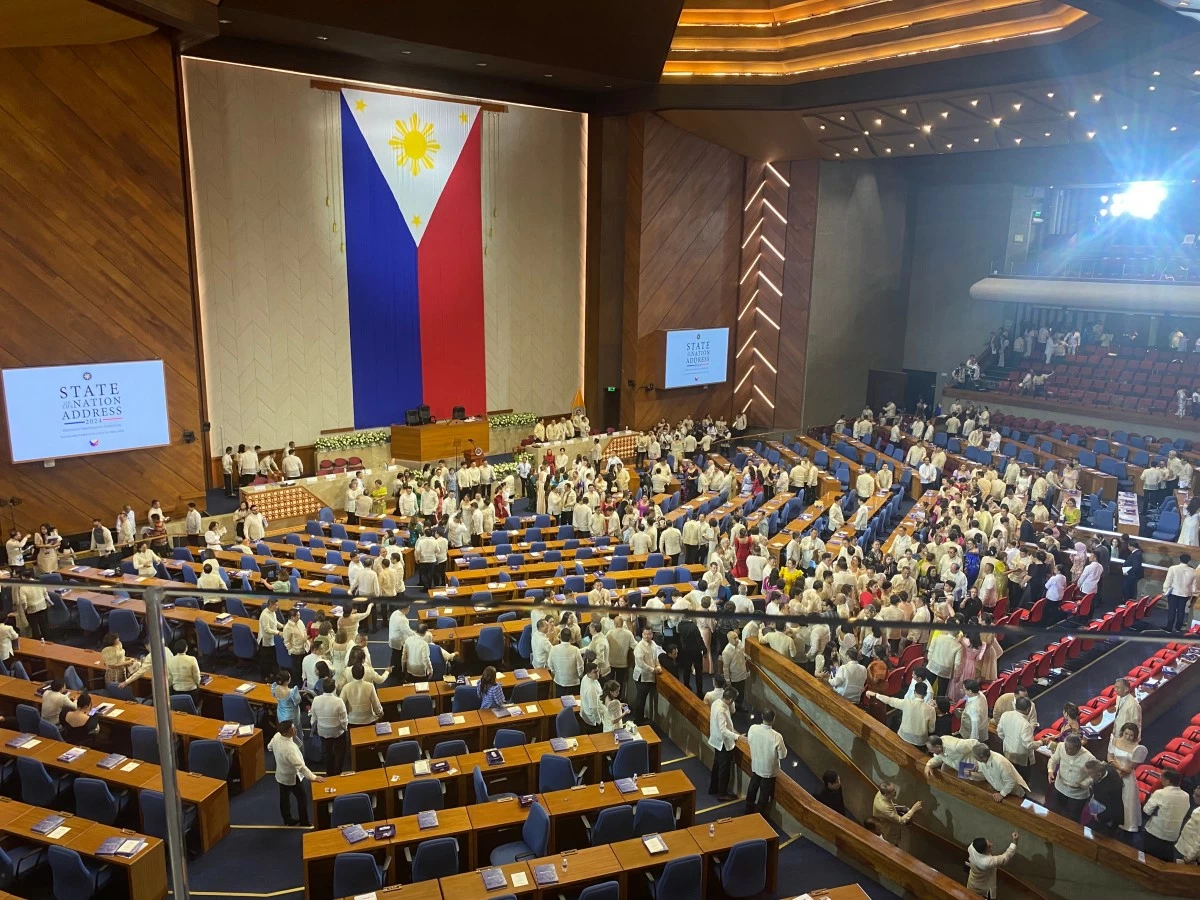
The House plenary (Contributed photo)
The House of Representatives has overwhelmingly approved on third and final reading a measure mandating the inclusion of a Personal Financial Literacy Course in the curriculum of technical-vocational institutions and Technical Education and Skills Development Authority (TESDA) training centers.
Gaining 251 affirmative votes during nominal voting in plenary was House Bill (HB) No. 7628.
It seeks to institutionalize financial education within the Technical-Vocational Education and Training (TVET) system, and ensure that graduates of technical-vocational programs are equipped not only with technical competencies but also with the financial knowledge and practical skills necessary for responsible money management, financial resilience, and long-term economic security.
“We have been productive in passing bills that help Filipinos in daily life, and financial literacy is one of the most practical tools we can give our students,” Majority leader Ilocos Norte 1st district Rep. Sandro Marcos, one of the principal authors of the bill, said.
Under the proposed measure, all public and private technical-vocational institutions (TVIs) and TESDA training centers will be required to offer a Personal Financial Literacy Course (PFLC) as part of the TVET curriculum. Students will be required to obtain a passing grade in the course as a requirement for graduation or completion of their training program.
“Financial literacy is an essential life skill. By equipping our students and trainees with the knowledge to manage their finances responsibly, we empower them to make informed financial decisions, avoid debt traps and scams, and secure a more stable future for themselves and their families,” said another principal author in Cavite 2nd district Representative Lani Mercado-Revilla.
The course is designed to equip students with essential financial skills that they can apply in their daily lives and future careers.
Among the key topics to be covered are the fundamentals of personal finance, time value of money, consumer behavior in the Philippine context, debt management and rehabilitation, savings and emergency fund development, investment planning, retirement planning, insurance planning, credit scoring and credit reports, and the responsible use of digital financial platforms and payment systems, including awareness of cybersecurity and consumer protection.
By integrating financial literacy into technical-vocational education, lawmakers aim to help young Filipinos and workers develop disciplined financial habits early on, enabling them to better manage their earnings, avoid excessive debt, and prepare for future financial needs such as business ventures, home ownership, education, and retirement.
To ensure the quality and relevance of the program, TESDA will collaborate with key financial regulatory agencies, including the Bangko Sentral ng Pilipinas (BSP), Department of Finance (DOF), Securities and Exchange Commission (SEC), and the Insurance Commission (IC), in developing the curriculum standards, academic materials, and guidelines for the course.
These agencies will work together to align the program with national financial education policies and best practices.
Mercado-Revilla emphasized that strengthening financial literacy among Filipino workers and trainees is a critical step toward building financially empowered communities.
“Our workers are among the country’s greatest assets. It is important that aside from technical skills, they also possess the financial knowledge needed to manage their income wisely, save for the future, and achieve long-term financial security,” she pointed out.