

ADVERTISEMENT

Villanueva, Gatchalian push for work from home, alternative work arrangements to save on fuel costs

Published Mar 5, 2026 01:23 pm

At A Glance

  • At least two senators are now calling on the government and the private sector to consider implementing work-from-home arrangements or expand other flexible work schemes to help reduce fuel consumption in light of rising oil prices brought about by the widening conflict in the Middle East.
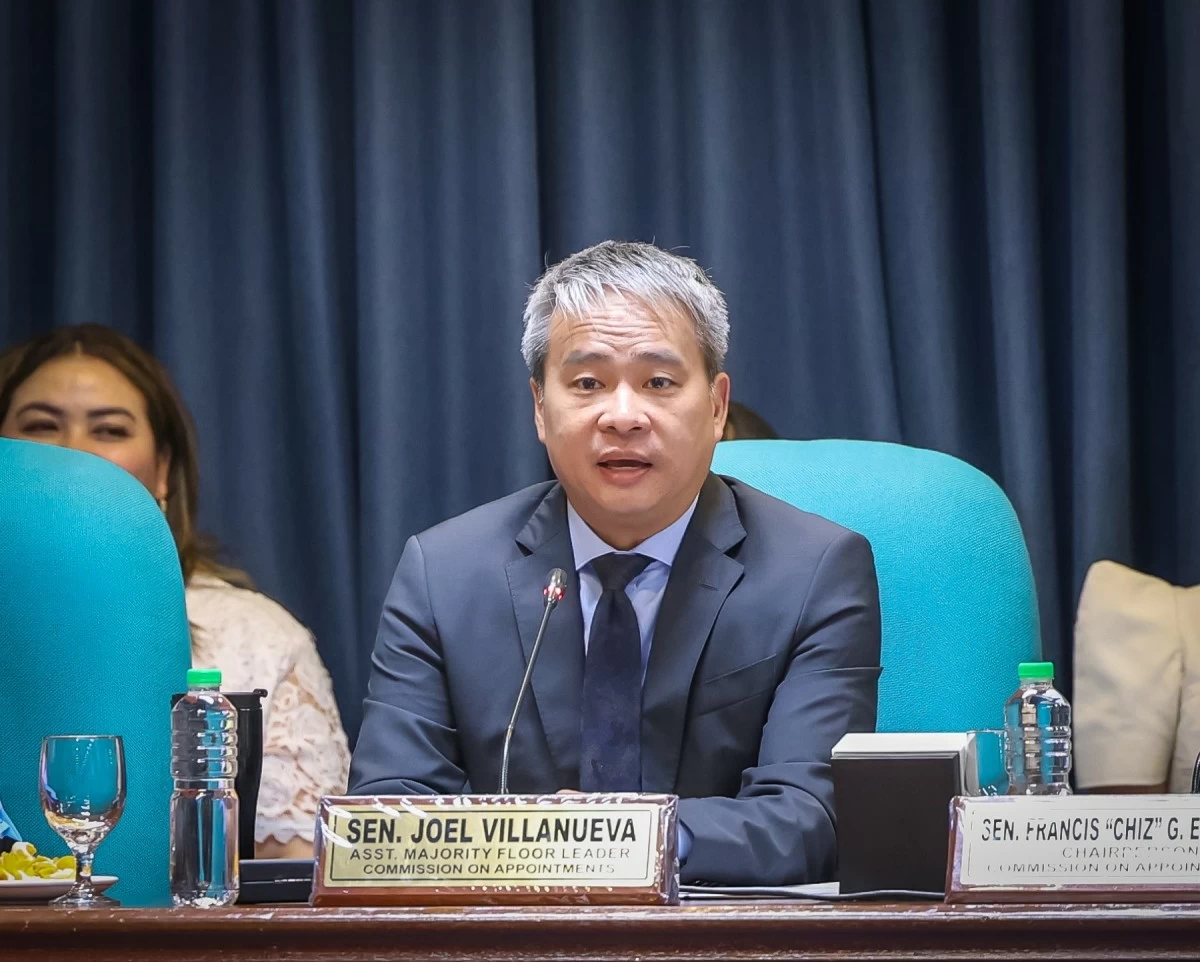
At least two senators are now calling on the government and the private sector to consider implementing work-from-home arrangements or expand other flexible work schemes to help reduce fuel consumption in light of rising oil prices brought about by the widening conflict in the Middle East. 

Senator Joel Villanueva, principal author and sponsor of Republic Act No. 11165 or the Telecommuting Act, also known as the “Work-From-Home law,” reminded that the measure provides a ready policy framework that can be maximized to lessen commuting demand at a time when global oil prices are climbing due to geopolitical tensions.

“At a time when oil prices are rising due to unrest in other parts of the world, we must use the mechanisms we already have in the law to help workers,” Villanueva said. 

“The effect of the Work-from-Home law is not only a benefit to employees. It is also a practical step to reduce the consumption of gasoline and diesel, especially since we expect prices to rise due to unrest in the Middle East,” he added.

The law, which was signed in 2018, institutionalized work-from-home arrangements in the private sector, allowing employees to perform their duties from alternative workplaces using telecommunications and digital technology.

Villanueva noted that the law is implemented by the Department of Labor and Employment (DOLE) for the private sector, while work arrangements in government offices fall under the jurisdiction of the Civil Service Commission (CSC). The commission promulgated similar rules on work-from-home and alternative work arrangements.

He said the government can also adopt other alternative work arrangements that reduce commuting demand, such as hybrid work setups, compressed workweeks, staggered working hours, and flexible schedules.

“These alternative work arrangements can help decongest our roads, lower fuel consumption, and allow workers to save on transportation costs,” Villanueva said, noting that millions of Filipino workers commute daily, particularly in Metro Manila, where heavy traffic leads to higher fuel consumption and longer travel times.

Villanueva said encouraging remote work and flexible schedules could significantly reduce daily travel while improving productivity.

“As we navigate the effects of rising oil prices, we must maximize policies already in place that benefit workers, businesses, and the broader economy,” he said.

"If work can be done from home or through a hybrid setup, we should study it and use it, especially if it helps reduce workers' expenses," Villanueva said.

Sen. Sherwin Gatchalian, chairman of the Senate Committee on Finance, also pushed for the implementation of a work from home or a four-day work week scheme to help workers save more. 

“Our immediate concern...if we can implement a 4-day work week instead of five days on the road or work from home so that we don't have to go out on the road because once you go out, it costs petrol,” said Gatchalian during a Senate hearing.

Some senators have expressed concern, not only on the imminent increase in the price of petroleum products, but also about the complete loss of supply if Iran does not stop bombing the Middle East.

Earlier, the Upper Chamber adopted Resolution No. 41 which expresses the sense of the Senate urging the Philippine government to immediately implement measures for the protection and repatriation of overseas Filipino workers (OFW) amid escalating tensions in the Middle East and to adopt interventions to mitigate the resulting economic impacts on the Philippine economy.

Related Tags

Joel Villanueva Work From Home Law Sherwin Gatchalian
ADVERTISEMENT
.most-popular .layout-ratio{ padding-bottom: 79.13%; } @media (min-width: 768px) and (max-width: 1024px) { .widget-title { font-size: 15px !important; } }

{{ articles_filter_1561_widget.title }}

.most-popular .layout-ratio{ padding-bottom: 79.13%; } @media (min-width: 768px) and (max-width: 1024px) { .widget-title { font-size: 15px !important; } }

{{ articles_filter_1562_widget.title }}

.most-popular .layout-ratio{ padding-bottom: 79.13%; } @media (min-width: 768px) and (max-width: 1024px) { .widget-title { font-size: 15px !important; } }

{{ articles_filter_1563_widget.title }}

{{ articles_filter_1564_widget.title }}

.mb-article-details { position: relative; } .mb-article-details .article-body-preview, .mb-article-details .article-body-summary{ font-size: 17px; line-height: 30px; font-family: "Libre Caslon Text", serif; color: #000; } .mb-article-details .article-body-preview iframe , .mb-article-details .article-body-summary iframe{ width: 100%; margin: auto; } .read-more-background { background: linear-gradient(180deg, color(display-p3 1.000 1.000 1.000 / 0) 13.75%, color(display-p3 1.000 1.000 1.000 / 0.8) 30.79%, color(display-p3 1.000 1.000 1.000) 72.5%); position: absolute; height: 200px; width: 100%; bottom: 0; display: flex; justify-content: center; align-items: center; padding: 0; } .read-more-background a{ color: #000; } .read-more-btn { padding: 17px 45px; font-family: Inter; font-weight: 700; font-size: 18px; line-height: 16px; text-align: center; vertical-align: middle; border: 1px solid black; background-color: white; } .hidden { display: none; }
function initializeAllSwipers() { // Get all hidden inputs with cms_article_id document.querySelectorAll('[id^="cms_article_id_"]').forEach(function (input) { const cmsArticleId = input.value; const articleSelector = '#article-' + cmsArticleId + ' .body_images'; const swiperElement = document.querySelector(articleSelector); if (swiperElement && !swiperElement.classList.contains('swiper-initialized')) { new Swiper(articleSelector, { loop: true, pagination: false, navigation: { nextEl: '#article-' + cmsArticleId + ' .swiper-button-next', prevEl: '#article-' + cmsArticleId + ' .swiper-button-prev', }, }); } }); } setTimeout(initializeAllSwipers, 3000); const intersectionObserver = new IntersectionObserver( (entries) => { entries.forEach((entry) => { if (entry.isIntersecting) { const newUrl = entry.target.getAttribute("data-url"); if (newUrl) { history.pushState(null, null, newUrl); let article = entry.target; // Extract metadata const author = article.querySelector('.author-section').textContent.replace('By', '').trim(); const section = article.querySelector('.section-info ').textContent.replace(' ', ' '); const title = article.querySelector('.article-title h1').textContent; // Parse URL for Chartbeat path format const parsedUrl = new URL(newUrl, window.location.origin); const cleanUrl = parsedUrl.host + parsedUrl.pathname; // Update Chartbeat configuration if (typeof window._sf_async_config !== 'undefined') { window._sf_async_config.path = cleanUrl; window._sf_async_config.sections = section; window._sf_async_config.authors = author; } // Track virtual page view with Chartbeat if (typeof pSUPERFLY !== 'undefined' && typeof pSUPERFLY.virtualPage === 'function') { try { pSUPERFLY.virtualPage({ path: cleanUrl, title: title, sections: section, authors: author }); } catch (error) { console.error('ping error', error); } } // Optional: Update document title if (title && title !== document.title) { document.title = title; } } } }); }, { threshold: 0.1 } ); function showArticleBody(button) { const article = button.closest("article"); const summary = article.querySelector(".article-body-summary"); const body = article.querySelector(".article-body-preview"); const readMoreSection = article.querySelector(".read-more-background"); // Hide summary and read-more section summary.style.display = "none"; readMoreSection.style.display = "none"; // Show the full article body body.classList.remove("hidden"); } document.addEventListener("DOMContentLoaded", () => { let loadCount = 0; // Track how many times articles are loaded const offset = [1, 2, 3, 4, 5, 6, 7, 8, 9, 10]; // Offset values const currentUrl = window.location.pathname.substring(1); let isLoading = false; // Prevent multiple calls if (!currentUrl) { console.log("Current URL is invalid."); return; } const sentinel = document.getElementById("load-more-sentinel"); if (!sentinel) { console.log("Sentinel element not found."); return; } function isSentinelVisible() { const rect = sentinel.getBoundingClientRect(); return ( rect.top < window.innerHeight && rect.bottom >= 0 ); } function onScroll() { if (isLoading) return; if (isSentinelVisible()) { if (loadCount >= offset.length) { console.log("Maximum load attempts reached."); window.removeEventListener("scroll", onScroll); return; } isLoading = true; const currentOffset = offset[loadCount]; window.loadMoreItems().then(() => { let article = document.querySelector('#widget_1690 > div:nth-last-of-type(2) article'); intersectionObserver.observe(article) loadCount++; }).catch(error => { console.error("Error loading more items:", error); }).finally(() => { isLoading = false; }); } } window.addEventListener("scroll", onScroll); });

Sign up by email to receive news.