







The resurrection of the Masungi Georeserve
Published Mar 5, 2026 06:42 pm
|
Updated Mar 25, 2026 09:52 am


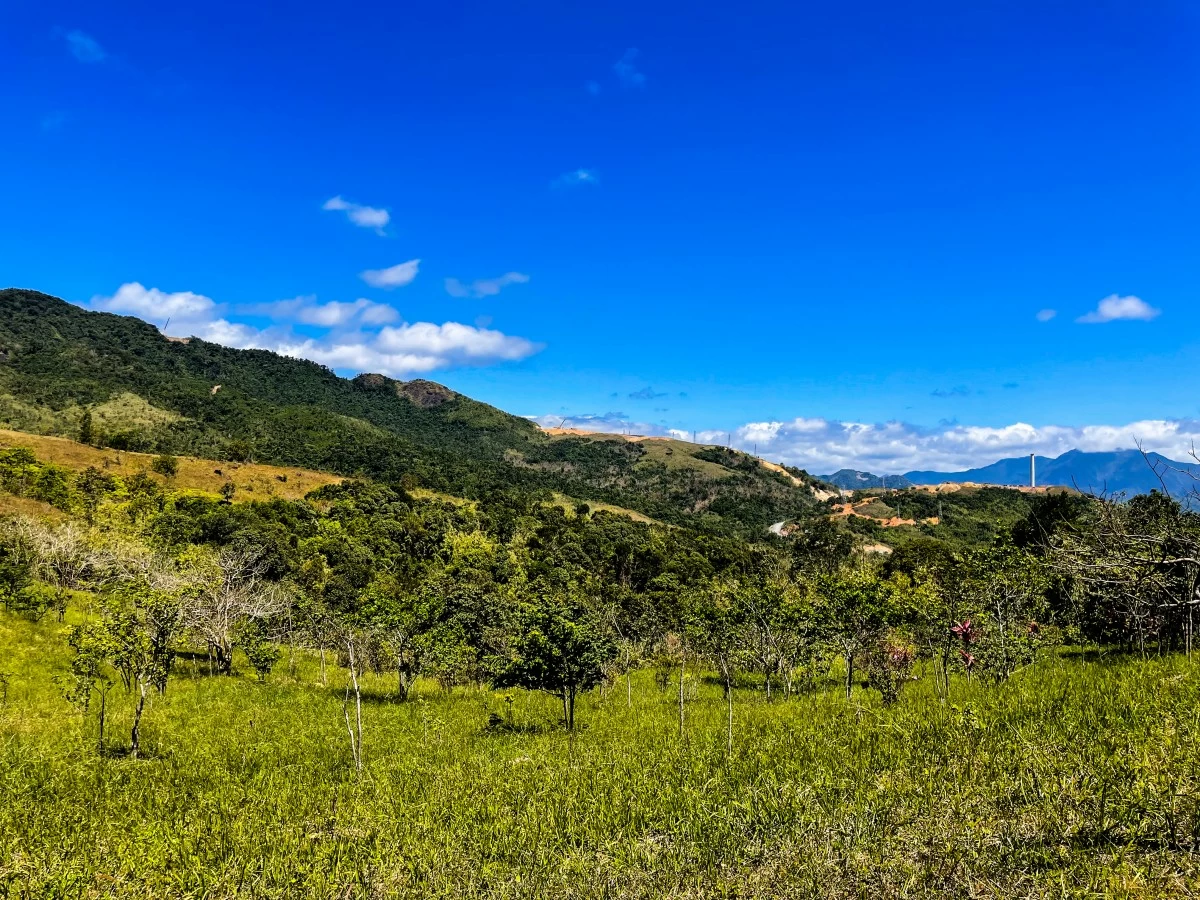
Masungi Georeserve (Photo by Jersey Denise Manahan)
Walking through the Masungi Georeserve feels like stepping into the lungs of Luzon. The air becomes cooler, heavier with the scent of damp earth and life. The sun burns through the canopy, illuminating the jagged white peaks that give the reserve its name: Masungki, or "spiked." But beneath the beauty of the limestone formations and sprawling greenery lies a story of a decades-long fight for survival that every Filipino needs to understand.
This is not just a scenic backdrop for a weekend trek. We were standing on the Sierra Madre, the geographical backbone of Luzon, stretching more than 500 kilometers along our eastern coast. Our legacy trail manager, Kuya Nilbert, spoke with quiet but fierce pride, reminding us why these mountains are our greatest protectors.
The Philippines is a magnet for typhoons. Without the Sierra Madre to break the wind and absorb the rain, the devastation in the lowlands would be unthinkable. Every time a project threatens to tear down these trees or blast these rocks for quarrying, it is not just land being taken; it is our country’s natural shield being dismantled.
The Resurrection of a Forest
In the late 1990s, the area was a ghost of a forest, ravaged by illegal logging and deforestation. It was a scar on the map of Rizal province. When the conservation project began in earnest in 2017, pioneered by the late Gina Lopez and the Department of Environment and Natural Resources (DENR), the area was home to about 400 documented species. Today, thanks to rigorous protection and research, that number has doubled to more than 800 species of flora and fauna.
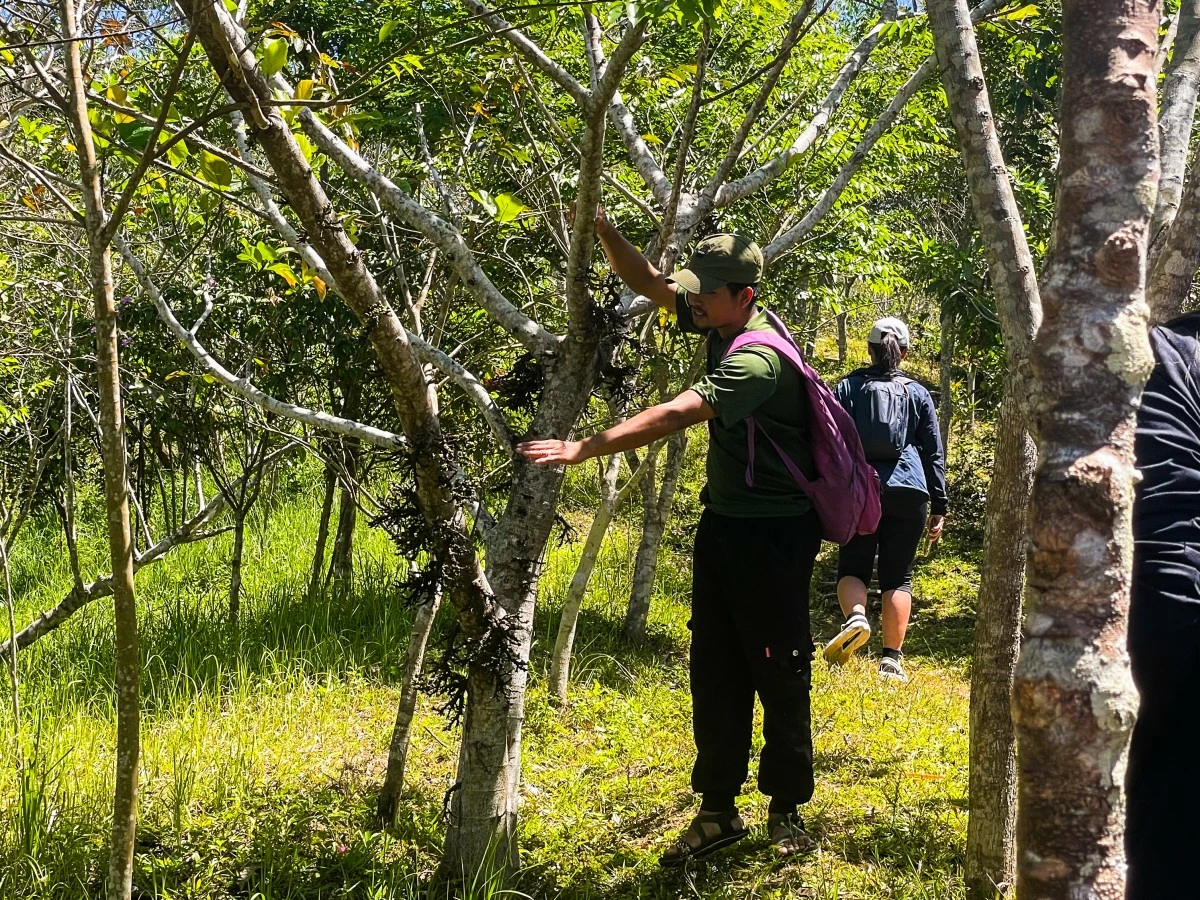
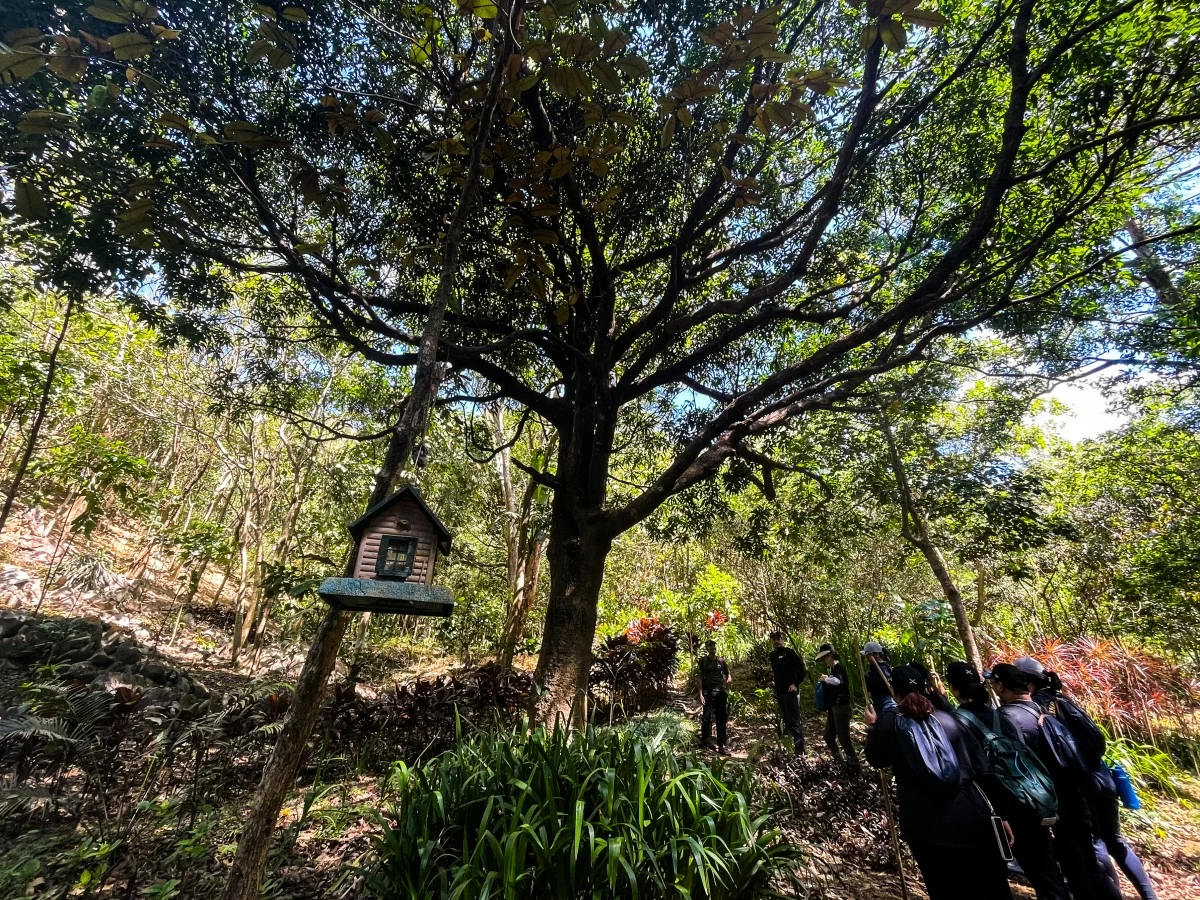
Legacy Trail Manager Kuya Nilbert explains the local trees at Masungi Georeserve (Photo by Jersey Denise Manahan)
The secret is not just planting trees; it is planting the right trees. When native species are planted, local wildlife returns. The fruits feed the animals, and as they move through the forest, they disperse seeds, allowing the cycle of life to begin again. Among the most remarkable is the Tayabas plant, considered one of the most beautiful flowers in the world. Of the 15 known types, 10 are found in the Philippines, and two are exclusive to Masungi, blooming only during the fleeting weeks of early May.
Rangers, Barracks, and the 3,000-Hectare Fight
Perhaps the most important lesson was the difference between "tree planting" and "tree nurturing." It is easy to put a sapling in the ground and walk away feeling accomplished. It is much harder to stay. A tree’s first five years are its most vulnerable. It needs protection from invasive species, harsh elements, and human interference.
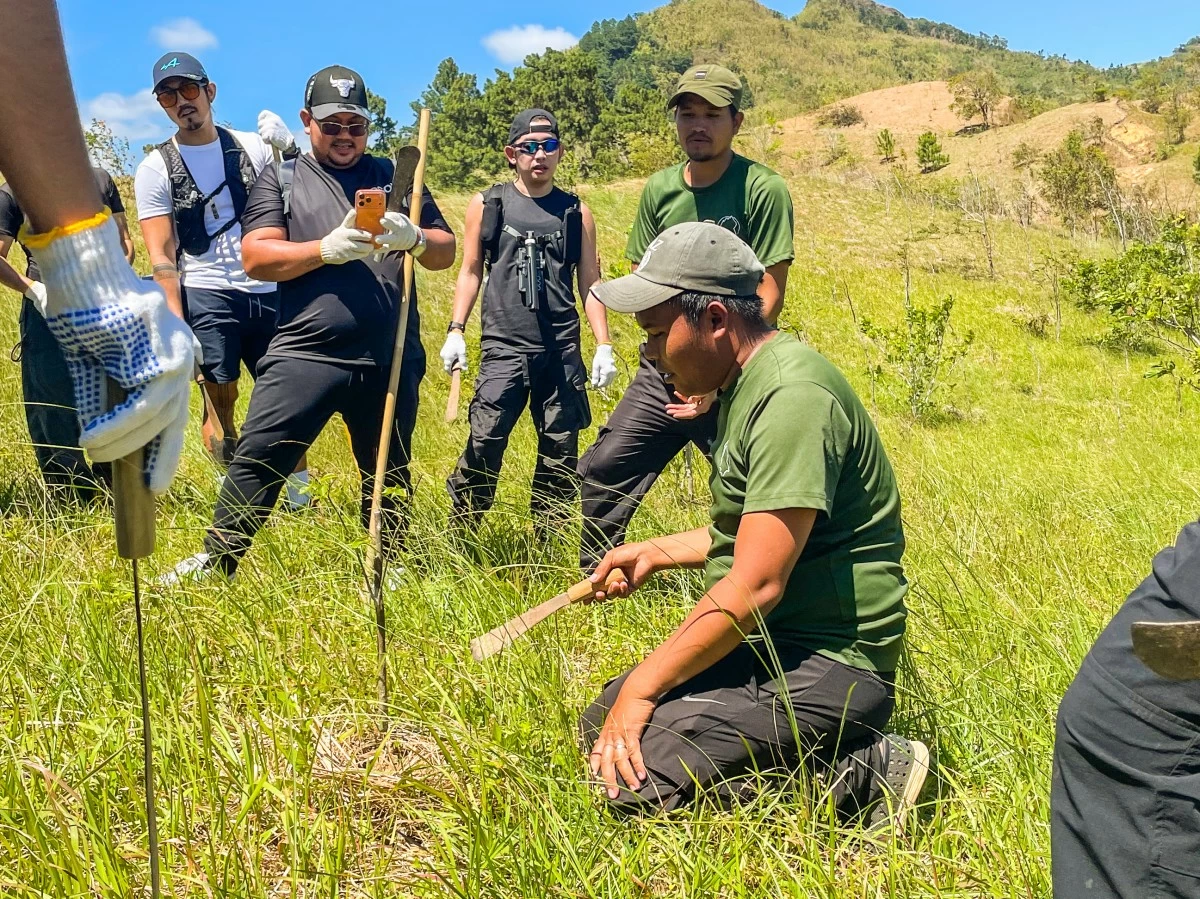
Kuya Gilbert demonstrates how to nurture a tree (Photo by Jersey Denise Manahan)
This is why the Masungi project operates as a non-profit initiative sustained by conservation fees from visitors. These funds support the rangers who live in on-site barracks, guarding the land day and night.
While visitors see a sanctuary, the rangers see a battleground. The Discovery Trail took three decades to restore to its present state. The Legacy Trail, where we spent the afternoon, is the next chapter. It demands a long-term commitment. A chainsaw can bring down a century-old tree in minutes, yet it takes decades of patience and labor to bring a forest back to life.
Engineered for Good: The Epson Partnership
It was against this backdrop of long-term restoration that Epson Philippines organized a tree-nurturing activity at the site. Its "Engineered for Good” philosophy aligns with the Masungi mission. As Masako Kusama, president and director of Epson Philippines, said, "Tree nurturing reminds us that progress requires patience and responsibility."
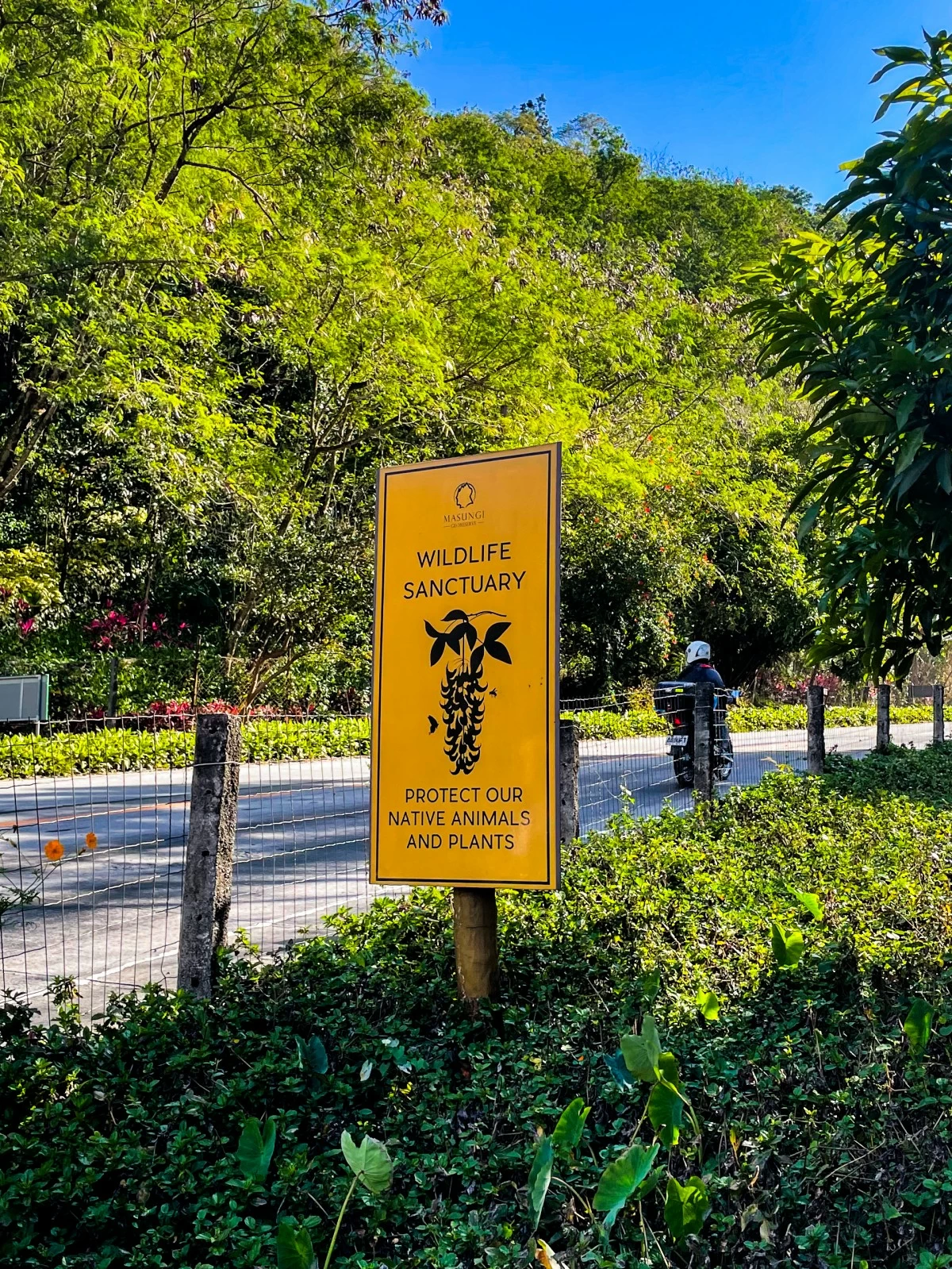

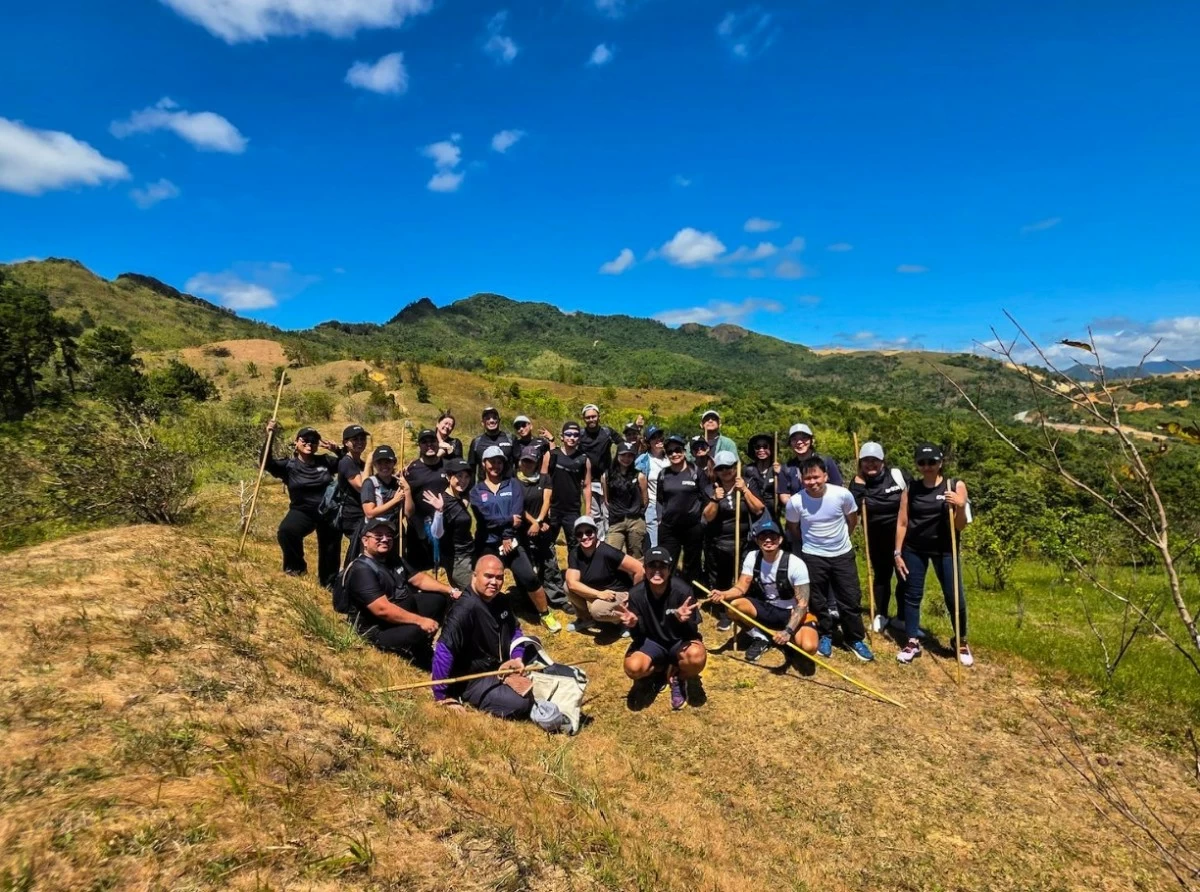
Epson Philippines and media partners at the tree-nurturing area (Photo courtesy of Epson Philippines)
To mark the occasion, participants received caps from New Era Cap Philippines. The caps were made using REPREVE® recycled fiber, produced by transforming post-consumer plastic bottles into durable fabric. It was a small but tangible reminder that conservation extends beyond forests. It reaches into the choices made in cities, the materials used, and the legacy left behind.
Why Masungi Must Survive
Why does this matter? Why endure legal battles and physical threats to protect 3,000 hectares of rock and forest?
Because Masungi is a blueprint for what is possible. If a barren quarry site can become a sanctuary for more than 800 species within a few decades, the potential for the rest of the Sierra Madre is immense. Projects that seek to deforest these lands for short-term industrial gain cannot simply be labeled development. They pose risks to environmental security. Without trees, water management systems weaken. Without limestone rock formations, natural flood barriers diminish.
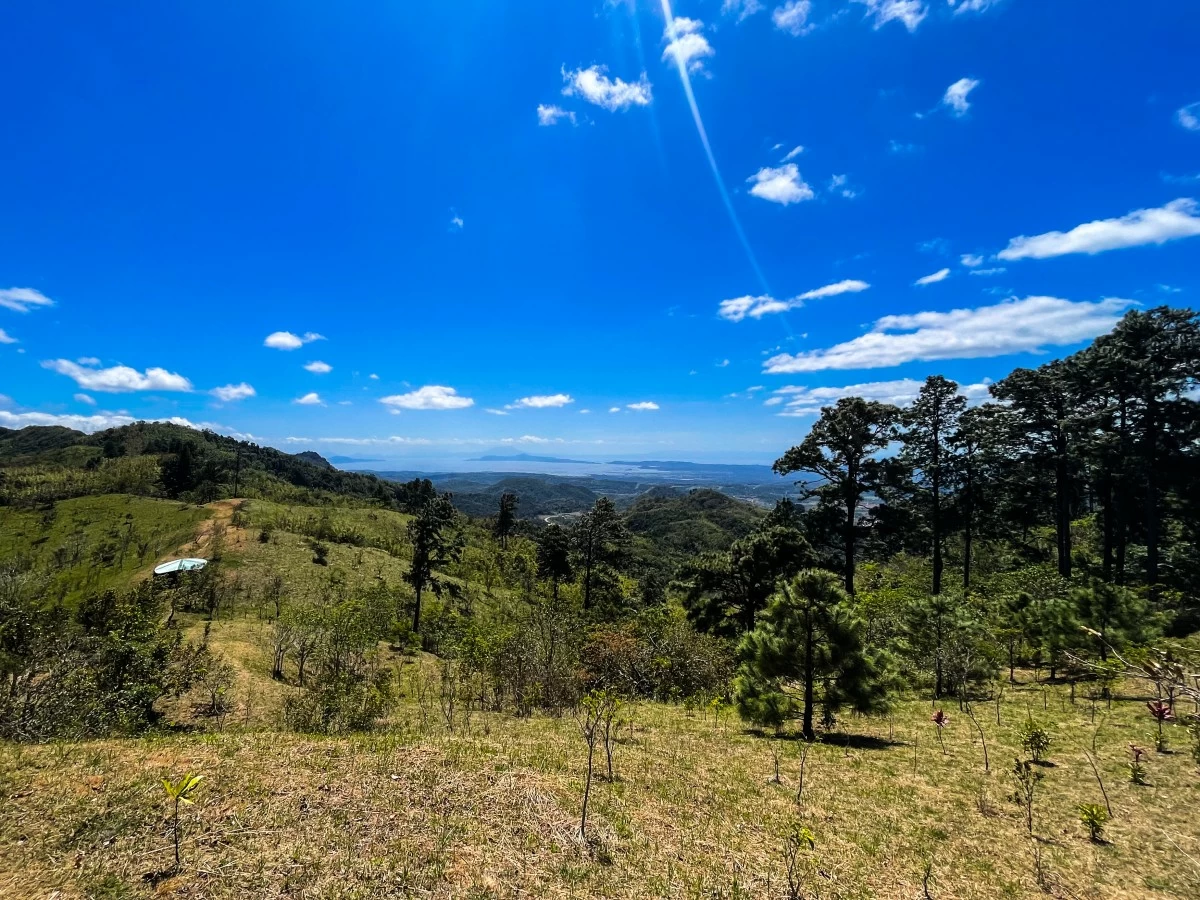
Masungi Georeserve (Photo by Jersey Denise Manahan)
This effort continues because there is hope for a future where the Tayabas plant still blooms each May, where local traditions endure, and where the impact of typhoons is not worsened by preventable environmental loss. Visiting Masungi is a reminder that we are part of this ecosystem, not separate from it.
As the sun set behind the peaks, the message was unmistakable: the forest protects us every day. The least we can do is ensure its protection in return.