







Shared mobility: Moving people, not just cars
Published Mar 5, 2026 12:01 am
|
Updated Mar 4, 2026 04:46 pm


OFF THE BEATEN PATH
While in the middle of doing my column for this week about Negros Island Region (comprising the provinces of Negros Occidental, Negros Oriental, and Siquijor), I took a short break and scrolled through my X feed. Something caught my attention. I saw a tweet that quoted a tweet from Sept. 7, 2025. It was a picture of Japanese Prince Hisahito of Akishino, a member of the Imperial House of Japan and second in line to the Chrysanthemum Throne. Prince Hishahito was in the Tokyo Station, greeting commuters taking the bullet train. Because of security concerns, the Prince travels by car, but he has on occasion taken the train across Japan. I retweeted it and shared my thoughts, “This should be the goal in the Philippines. Not everyone uses cars. Rather, everyone, including the rich, powerful, and (especially) those in government, uses public transportation.”
In the Philippines, transportation tends to focus on car ownership instead of public transport improvement. Success is often measured by vehicle sales each month, not by programs to enhance shared mobility. This mindset equates personal progress with upgrading one's mode of travel: From public transportation to motorcycles, then cars, and eventually, more expensive cars. This car-centric approach misses the bigger picture—true societal advancement should prioritize better options for everyone, especially through strong public transportation.
I’ve said it before, and I’ll say it again: Prioritizing private vehicle ownership over developing public transportation is misguided. The country needs to shift focus to strengthening its public transportation system, especially in Metro Manila. The goal is not to eliminate cars, but to offer everyone, including the powerful, real and viable commuting options.
The true measure of transportation success should be a public system efficient and appealing enough for everyone to use— from nine to five workers to national leaders. When officials rely on public transit, as Angela Merkel and Francois Hollande did, it demonstrates both the quality of the system and a commitment to public good. This standard should guide our transportation development.
Signs of positive change are emerging. In Metro Manila, more people—including officials—are using a variety of transport modes. Some now take the train to work, while Sen. JV Ejercito cycles to the Senate. MMDA General Manager Nicolas Torre has also biked around NCR. Sen. Pia Cayetano, an avid cyclist, has filed bills to promote such alternatives. Just last weekend, DOTr Sec. Vince Dizon bicycled from Rosario, La Union, to Baguio to inspect roads. Local officials like Baguio City Mayor Benjie Magalong and Romblon Governor Trina Firmalo-Fabic champion cycling. Even former Congressman Manuel Zamora from Mindanao famously biked to the House of Representatives.
When officials use public or alternative transportation, it signals commitment to improving daily commutes for citizens. It also helps leaders experience firsthand what works and what needs fixing, reinforcing their responsibility—as public servants—to address transportation challenges for everyone.
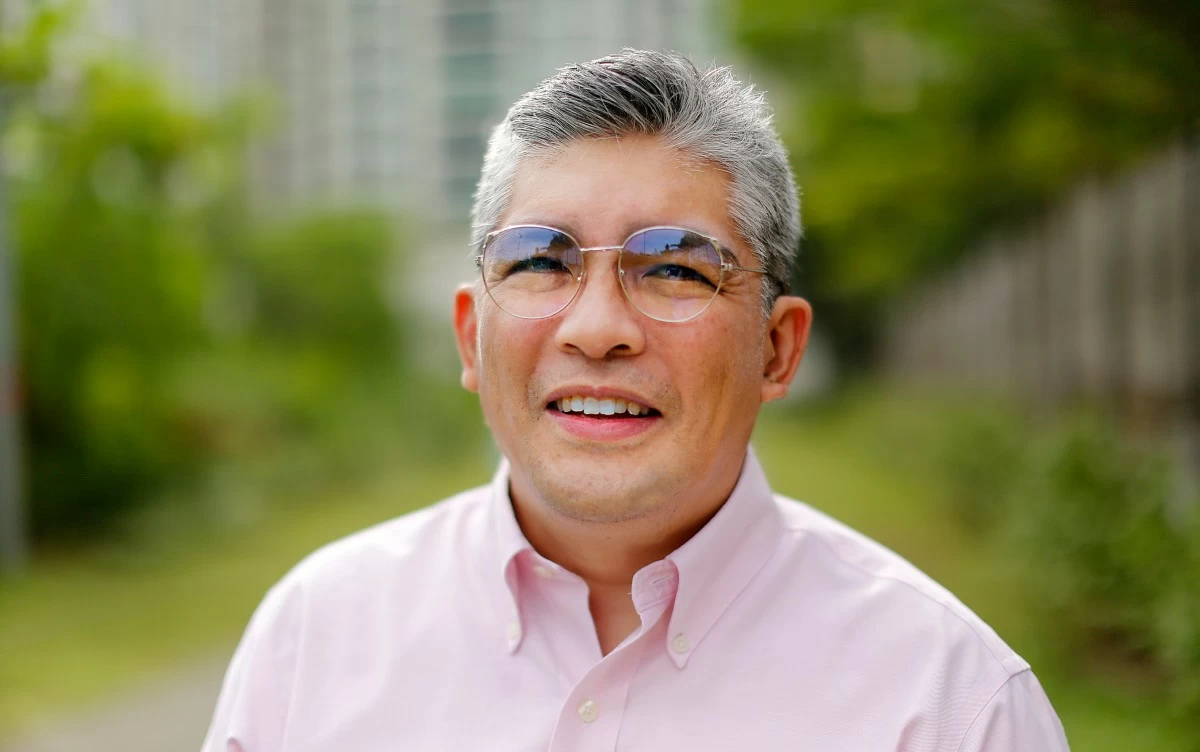
(The author is a former Comelec commissioner. He is a pioneer of automated elections being a member of the Commission that successfully modernized Philippine elections in 2010. He remains involved in public service as an election lawyer.)