ADVERTISEMENT

PIDS urges inflation-indexed 4Ps, stronger oversight

Published Mar 5, 2026 06:00 pm  |  Updated Mar 5, 2026 01:57 pm

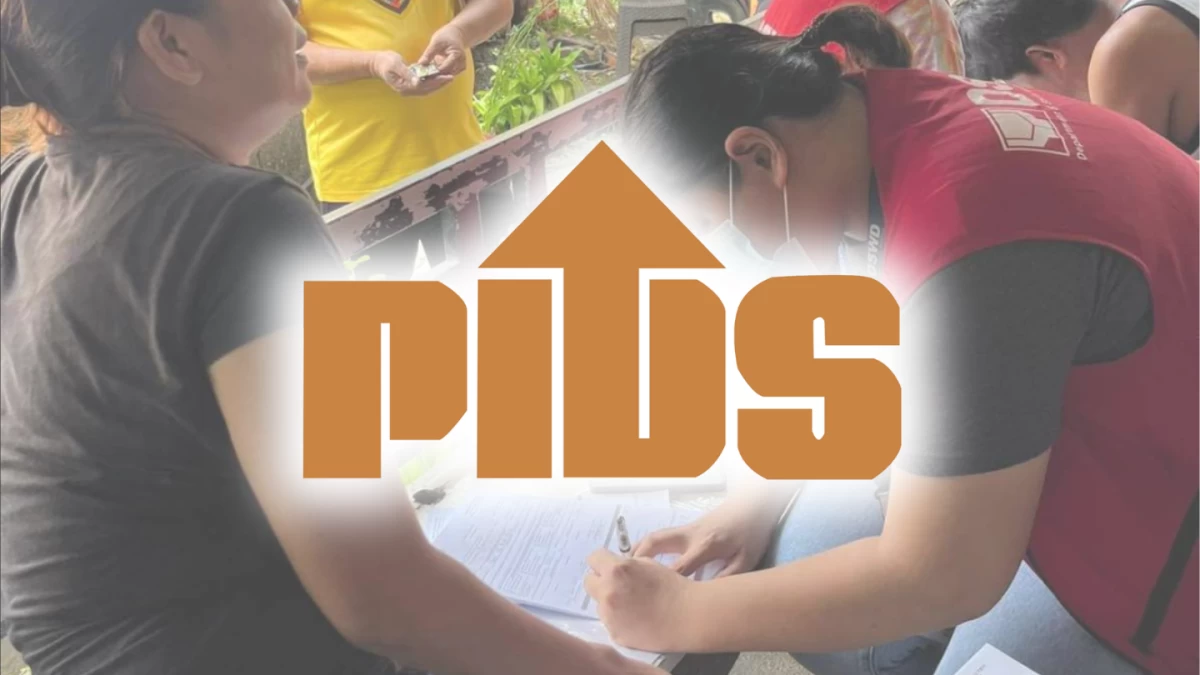
The Philippine Institute for Development Studies (PIDS) has endorsed key reforms to further strengthen the institutionalized Pantawid Pamilyang Pilipino Program (4Ps) Act of 2019 but urged lawmakers to anchor changes on inflation adjustments, clear accountability measures, and adequate funding support.

In a March 2 position paper prepared by PIDS senior research fellow Michael Ralph Abrigo and supervising research specialist Kris Ann Melad, the state-run think tank reviewed four Senate bills seeking to amend and expand the government’s flagship conditional cash transfer (CCT) program implemented by the Department of Social Welfare and Development (DSWD).

At the forefront of its recommendations, PIDS said grant increases should be systematic and based on inflation adjustments using the consumer price index (CPI) for the bottom 30 percent income households, noting that the purchasing power of 4Ps grants had declined by about 26 percent from 2019 to 2025. The think tank also supported shortening the review cycle for cash grant adequacy from every six years to annually.

On proposals to introduce new conditionalities, such as adult education and livelihood training, PIDS said these should only be implemented once supply-side capacity and local availability are confirmed. It added that adult education completions should ideally lead to formally recognized credentials.

PIDS backed extending program retention for households that remain poor beyond the current seven-year limit, provided clear graduation criteria are set. However, for children pursuing post-secondary education, the think tank said it may be more cost-effective to prioritize referrals to existing programs such as the tertiary education subsidy and tuition-free provisions in state universities and colleges (SUCs) rather than extending 4Ps cash transfers.

The inclusion of undernourished children aged zero to six was also supported, but PIDS stressed that this must be paired with strong health service monitoring, coordination with the Department of Health (DOH) and local health units, and periodic reviews of the food and nutrition grant amount to ensure meaningful impact.

On consolidating fragmented “ayuda” or aid programs under the proposed Pantawid Pag-Asa framework, PIDS said the implementing rules and regulations (IRR) should clearly spell out data-sharing arrangements, agency roles, and transition timelines, citing long-standing interagency coordination challenges.

PIDS endorsed the welfare-based targeting approach for the proposed electric utility grant, saying linking eligibility to verified poverty status under the 4Ps and Listahanan framework would improve targeting efficiency. It cautioned, however, that funding should come from general appropriations rather than cross-subsidies that could burden other electricity consumers.

Listahanan, formally known as the National Household Targeting System for Poverty Reduction (NHTS-PR), is a poverty database developed and maintained by the DSWD that identifies who and where the poor are nationwide for targeting social protection programs, including the 4Ps.

To strengthen accountability, PIDS recommended that the DSWD publicly report on the performance of its grievance redress system, including complaint resolution rates, average resolution time, and the share of complaints resolved in favor of beneficiaries.

It also supported using the PhilSys card number as a universal identifier across social protection programs to reduce duplication and improve data sharing, while ensuring alternative identification mechanisms remain available when needed.

Finally, PIDS emphasized that any legislative expansion of its mandate to conduct more frequent and broader assessments of the 4Ps must be matched with sufficient budget appropriations and timely access to administrative data to preserve the rigor and independence of its evaluations.

ADVERTISEMENT
.most-popular .layout-ratio{ padding-bottom: 79.13%; } @media (min-width: 768px) and (max-width: 1024px) { .widget-title { font-size: 15px !important; } }

{{ articles_filter_1561_widget.title }}

.most-popular .layout-ratio{ padding-bottom: 79.13%; } @media (min-width: 768px) and (max-width: 1024px) { .widget-title { font-size: 15px !important; } }

{{ articles_filter_1562_widget.title }}

.most-popular .layout-ratio{ padding-bottom: 79.13%; } @media (min-width: 768px) and (max-width: 1024px) { .widget-title { font-size: 15px !important; } }

{{ articles_filter_1563_widget.title }}

{{ articles_filter_1564_widget.title }}

.mb-article-details { position: relative; } .mb-article-details .article-body-preview, .mb-article-details .article-body-summary{ font-size: 17px; line-height: 30px; font-family: "Libre Caslon Text", serif; color: #000; } .mb-article-details .article-body-preview iframe , .mb-article-details .article-body-summary iframe{ width: 100%; margin: auto; } .read-more-background { background: linear-gradient(180deg, color(display-p3 1.000 1.000 1.000 / 0) 13.75%, color(display-p3 1.000 1.000 1.000 / 0.8) 30.79%, color(display-p3 1.000 1.000 1.000) 72.5%); position: absolute; height: 200px; width: 100%; bottom: 0; display: flex; justify-content: center; align-items: center; padding: 0; } .read-more-background a{ color: #000; } .read-more-btn { padding: 17px 45px; font-family: Inter; font-weight: 700; font-size: 18px; line-height: 16px; text-align: center; vertical-align: middle; border: 1px solid black; background-color: white; } .hidden { display: none; }
function initializeAllSwipers() { // Get all hidden inputs with cms_article_id document.querySelectorAll('[id^="cms_article_id_"]').forEach(function (input) { const cmsArticleId = input.value; const articleSelector = '#article-' + cmsArticleId + ' .body_images'; const swiperElement = document.querySelector(articleSelector); if (swiperElement && !swiperElement.classList.contains('swiper-initialized')) { new Swiper(articleSelector, { loop: true, pagination: false, navigation: { nextEl: '#article-' + cmsArticleId + ' .swiper-button-next', prevEl: '#article-' + cmsArticleId + ' .swiper-button-prev', }, }); } }); } setTimeout(initializeAllSwipers, 3000); const intersectionObserver = new IntersectionObserver( (entries) => { entries.forEach((entry) => { if (entry.isIntersecting) { const newUrl = entry.target.getAttribute("data-url"); if (newUrl) { history.pushState(null, null, newUrl); let article = entry.target; // Extract metadata const author = article.querySelector('.author-section').textContent.replace('By', '').trim(); const section = article.querySelector('.section-info ').textContent.replace(' ', ' '); const title = article.querySelector('.article-title h1').textContent; // Parse URL for Chartbeat path format const parsedUrl = new URL(newUrl, window.location.origin); const cleanUrl = parsedUrl.host + parsedUrl.pathname; // Update Chartbeat configuration if (typeof window._sf_async_config !== 'undefined') { window._sf_async_config.path = cleanUrl; window._sf_async_config.sections = section; window._sf_async_config.authors = author; } // Track virtual page view with Chartbeat if (typeof pSUPERFLY !== 'undefined' && typeof pSUPERFLY.virtualPage === 'function') { try { pSUPERFLY.virtualPage({ path: cleanUrl, title: title, sections: section, authors: author }); } catch (error) { console.error('ping error', error); } } // Optional: Update document title if (title && title !== document.title) { document.title = title; } } } }); }, { threshold: 0.1 } ); function showArticleBody(button) { const article = button.closest("article"); const summary = article.querySelector(".article-body-summary"); const body = article.querySelector(".article-body-preview"); const readMoreSection = article.querySelector(".read-more-background"); // Hide summary and read-more section summary.style.display = "none"; readMoreSection.style.display = "none"; // Show the full article body body.classList.remove("hidden"); } document.addEventListener("DOMContentLoaded", () => { let loadCount = 0; // Track how many times articles are loaded const offset = [1, 2, 3, 4, 5, 6, 7, 8, 9, 10]; // Offset values const currentUrl = window.location.pathname.substring(1); let isLoading = false; // Prevent multiple calls if (!currentUrl) { console.log("Current URL is invalid."); return; } const sentinel = document.getElementById("load-more-sentinel"); if (!sentinel) { console.log("Sentinel element not found."); return; } function isSentinelVisible() { const rect = sentinel.getBoundingClientRect(); return ( rect.top < window.innerHeight && rect.bottom >= 0 ); } function onScroll() { if (isLoading) return; if (isSentinelVisible()) { if (loadCount >= offset.length) { console.log("Maximum load attempts reached."); window.removeEventListener("scroll", onScroll); return; } isLoading = true; const currentOffset = offset[loadCount]; window.loadMoreItems().then(() => { let article = document.querySelector('#widget_1690 > div:nth-last-of-type(2) article'); intersectionObserver.observe(article) loadCount++; }).catch(error => { console.error("Error loading more items:", error); }).finally(() => { isLoading = false; }); } } window.addEventListener("scroll", onScroll); });

Sign up by email to receive news.