







Peso purchasing power hits record low at start of 2026


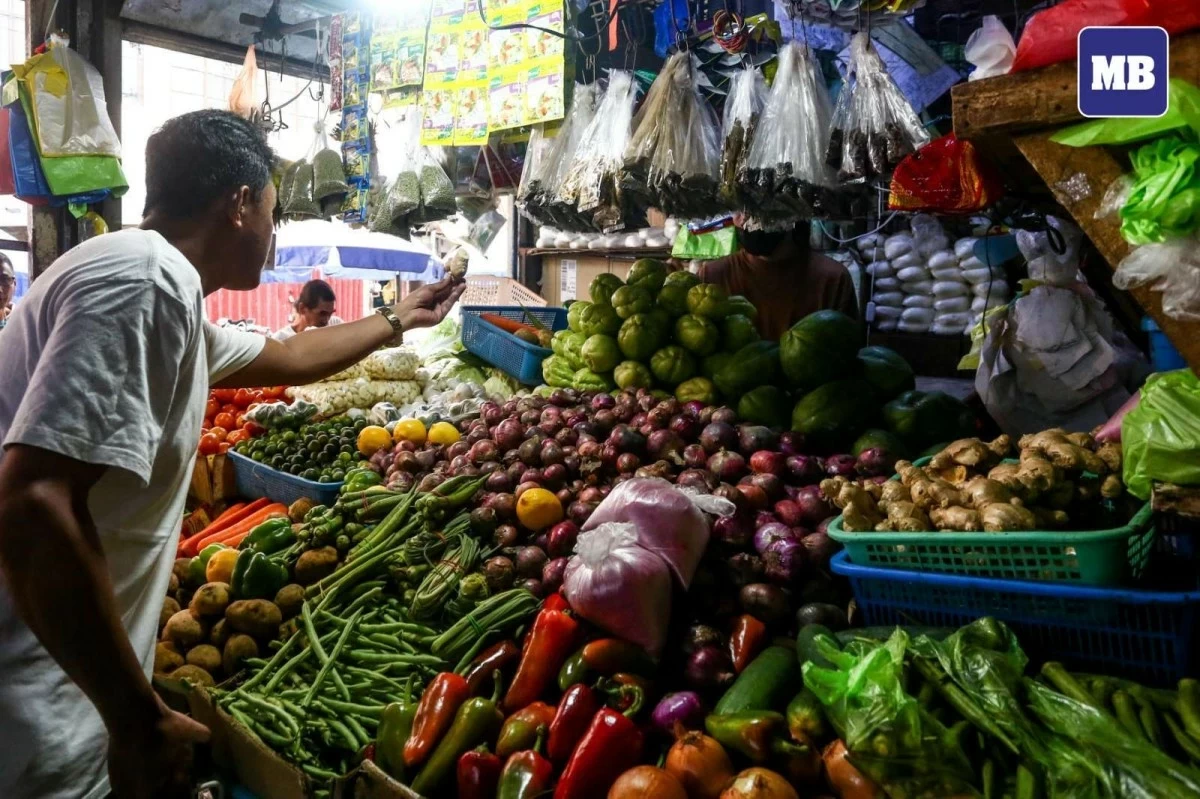
The peso’s purchasing power fell to a record low at the start of 2026, with looming price increases due to the war in the Middle East threatening to further erode Filipinos’ already weaker buying power.
The latest data from the Philippine Statistics Authority (PSA) released on Thursday, March 5, showed that the purchasing power of the peso stood at 0.76 in both January and February 2026—the lowest on record.
Responding to questions from Manila Bulletin, National Statistician Claire Dennis S. Mapa noted during a press briefing that the peso’s purchasing power averaged 0.78 in 2025, indicating further erosion in the currency’s value during the first two months of the year.
First introduced in mid-2022 as part of the PSA’s monthly consumer price index (CPI) reports, the purchasing power of the peso reflects how the local currency’s value has eroded since the CPI was rebased to 2018.
Mapa previously explained that lower purchasing power means fewer goods can be bought with ₱1 compared with previous years.
The PSA chief said that because purchasing power depends on the CPI—which is expected to increase annually—even small increments in inflation dent the peso’s value. The government, particularly the Bangko Sentral ng Pilipinas (BSP), targets annual inflation of two to four percent, which it considers manageable and conducive to economic growth.
Amid intensifying fighting between Iran, the United States (US), and Israel, which has spread across the Middle East, Mapa acknowledged the risk that higher domestic inflation driven by external shocks and rising global oil prices could further weaken purchasing power.
As rice deflation eased further and other food items posted faster price increases, headline inflation climbed to a one-year high of 2.4 percent in February.