






Manila Bulletin
 Philippines
National
Mistresses, extramarital partners? Senate's anti-political dynasty bill includes them
Philippines
National
Mistresses, extramarital partners? Senate's anti-political dynasty bill includes them
Philippines
National
Mistresses, extramarital partners? Senate's anti-political dynasty bill includes them
Mistresses, extramarital partners? Senate's anti-political dynasty bill includes them
By Dhel Nazario
Published Mar 5, 2026 01:11 pm


At A Glance
- Even a politician's mistress or live-in partner is not off the hook in the anti-political dynasty bill, even if they are not legally married.
Even a politician’s mistress or live-in partner is not off the hook in the anti-political dynasty bill, all the more if they are not legally married.
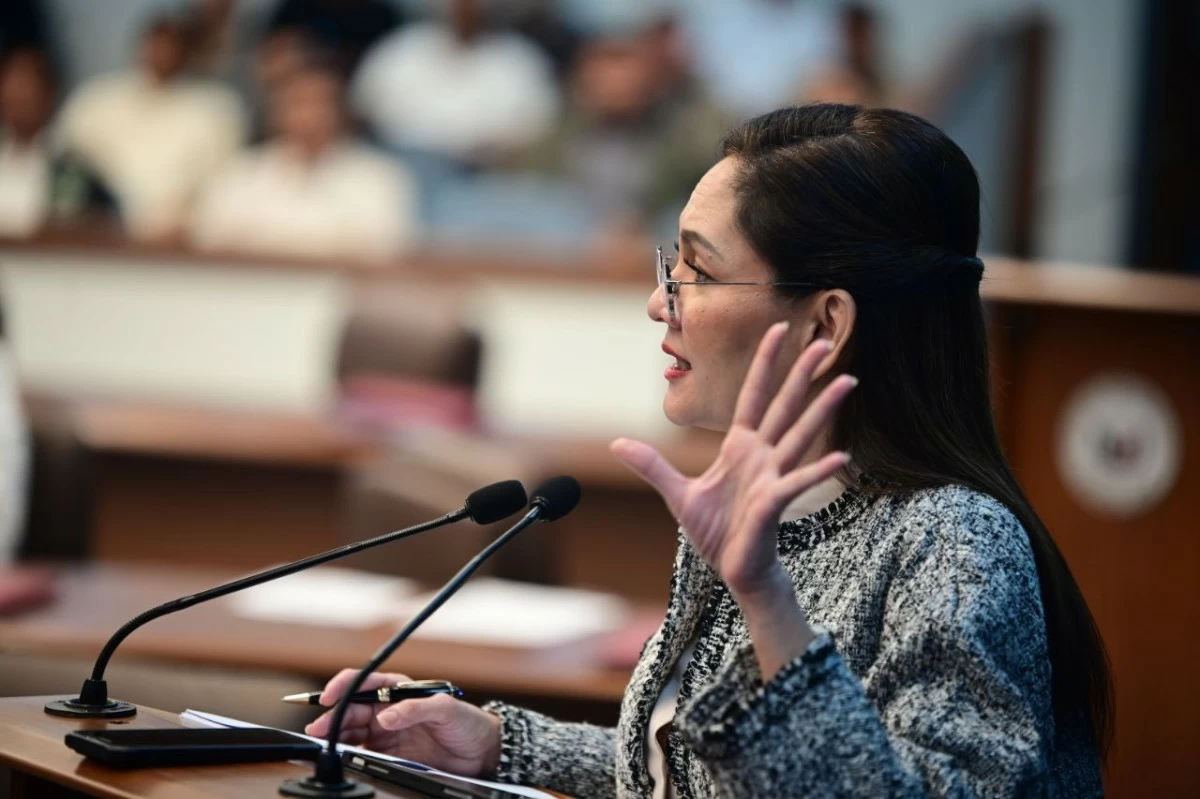
Senator Risa Hontiveros (Photo from Facebook)
This came during an interpellation by Senate President Vicente "Tito" Sotto III of Senate Bill No. 190, or the proposed Anti-Political Dynasty Act, as Senator Risa Hontiveros defended the measure, which seeks to prohibit relatives within the second degree from holding public office simultaneously or in succession.
“For the record, I am in favor of Senate Bill 1901. My interpellations would be focusing on clarification and, secondly, plug possible loopholes that might arise in case we are able to pass this bill. We do not want it to be abused and for it to be used properly in line with what the Constitution really wants.” Sotto said on Wednesday’s plenary session, March 4.
Under the proposal, the ban covers relatives by consanguinity, such as parents, children, grandparents, siblings, and grandchildren. It also includes relatives by affinity, such as grandparents-in-law and siblings-in-law.
During the exchange, Sotto asked how the bill would address cases where a politician’s "girlfriend", whether openly acknowledged or not—runs for public office, including situations where the alleged partner denies the relationship. He also raised the possibility of relatives of the mistress, such as her children, parents, or siblings, seeking office.
Hontiveros, who chairs the Senate Committee on Women, Children, and Family Relations, said the prohibition would apply to individuals who are living together and presenting themselves publicly as a couple or in a relationship, regardless of sex.
She said a court declaration proving a bigamous or adulterous relationship would not be required under the proposal.
According to Hontiveros, if a candidate conceals such a relationship, the Commission on Elections (Comelec) may cancel the certificate of candidacy on the grounds of willful concealment or falsehood. If the person has already assumed office, a quo warranto petition may be filed to nullify the position.
“Even if a couple lies and claims they have split, that is grounds for cancellation of a certificate of candidacy for willful concealment or falsehood in the sworn statement. The same restrictions and disqualifications that apply to spouses will also apply to cohabiting partners,” she explained.
However, relatives of the mistress or live-in partner would not be covered by the prohibition because they fall outside the definition of relatives within the second degree.
Sotto noted that this could create a possible loophole if the goal of the anti-political dynasty measure is to prevent the transfer and concentration of political power among closely connected individuals.
“We are not preventing the transfer of power or influence dahil yun din yun—kung minsan nga yung girlfriend mas matapang sa asawa e (We are not preventing the transfer of power or influence because it’s essentially the same — sometimes the girlfriend is even bolder than the wife),” he added.
Hontiveros said the decision to limit the scope of the ban to second-degree relatives followed a recommendation from the Commission on Elections, which argued that broader coverage could make the law difficult to enforce due to the volume of documents that would need to be verified.
She also said the current version of the bill would prohibit siblings from serving in the Senate at the same time.