







Luistro: Bank records are fair game in VP Duterte impeachment
Published Mar 5, 2026 07:00 pm


At A Glance
- House Committee on Justice Chairperson Batangas 2nd district Rep. Gerville "Jinky Bitrics" Luistro says her panel can seek copies of bank records as well as the appearance of key witnesses in the ongoing impeachment proceedings against Vice President Sara Duterte.
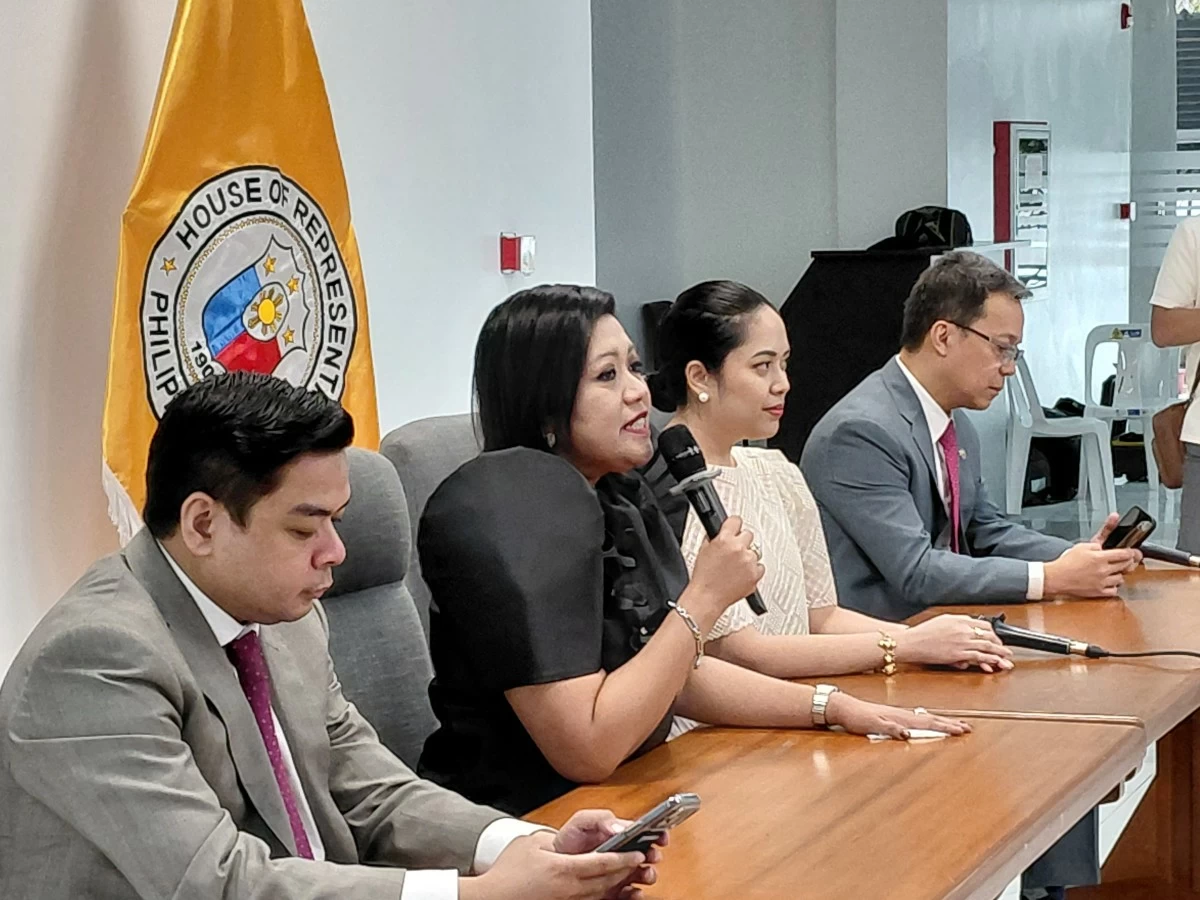
Batangas 2nd district Rep. Gerville “Jinky Bitrics” Luistro (Ellson Quismorio/ MANILA BULLETIN)
House Committee on Justice Chairperson Batangas 2nd district Rep. Gerville “Jinky Bitrics” Luistro says her panel can seek copies of bank records as well as the appearance of key witnesses in the ongoing impeachment proceedings against Vice President Sara Duterte.
This, as the lawyer-legislator noted in a radio interview Thursday, March 5 that impeachment proceedings in the House of Representatives fall under an exception to the Bank Secrecy Law.
According to Luistro, the justice committee has at its disposal the “power of compulsory process". This allows it to require the submission of documents – including bank records – and to compel witnesses to testify during hearings.
“And we have to understand as well na ang justice committee ay pinagkalooban din ng batas ng power of compulsory process. Ito yung tinatawag natin na issuance of subpoena duces tecum if it pertains to relevant documents,” Luistro said.
(And we have to understand as well that the justice committee is granted by law the power of compulsory process. This is what we call the issuance of a subpoena duces tecum if it pertains to relevant documents.)
She added that the same authority may also be used to require witnesses to appear before the committee, depending on what the parties seek to present. “So both parties actually can file the necessary motion in order that they may avail of the compulsory process of the justice committee,” Luistro explained.
Asked if bank secrecy could be invoked to block access to financial records, Luistro pointed to impeachment as the legal carve-out. “The exception to the Bank Secrecy Law is impeachment proceeding."
“As a matter of fact, that is the reason why in yesterday's (Wednesday) hearing, I volunteered to the members of the justice committee. The information that the records of the bank are protected by the Bank Secrecy Law and we cannot therefore expect the complainants to have attached already the bank records because that is prohibited. As a matter of fact, impeachment is the only avenue where you can look into and avail of the documents without violating the Bank Secrecy Law,” she explained.
The topic became relevant during the panel discussions Wednesday, March 4 on the Nathaniel Cabrera complaint, which contained allegations of "unexplained wealth" on the part of the Vice President.
But the hearings that the committee held since Monday delved into the sufficiency in form and sufficiency in substance of the filed impeachment complaints. There was no pressing need during these first two stages of the impeachment process to subpoena bank records.
Third stage
In the same interview, Luistro said that the impeachment case had reached the “third stage,” as the panel formally directed Duterte to respond to the allegations within a non-extendable 10-day period.
Earlier Thursday, the committee had formally served a notice to the Vice President after the panel found two impeachment complaints sufficient in both form and substance.
She says the particular stage involves the exchange of pleadings between the House and the respondent, as well as the submission of evidence to the committee.
“We call this responsive pleadings. Kaya responsive, dahil nagsasagutan sila. Ito yung tinatawag na nating third stage. Lahat dokumento ang umaandar (So it’s responsive, because they’re exchanging replies. This is what we call the third stage. At this point, everything runs on documents)," Luistro said.
The Batanguena also stressed that while calendar days apply to the filing of responsive pleadings, the rules set the broader deadline for the panel's work in terms of session days.
“The only prescriptive period that was provided by the rules is the period of 60 session days within which the justice committee should be able to transmit the committee report to the plenary,” Luistro said.