







Gov't races to secure extra diesel as prices set to spike
Published Mar 5, 2026 06:01 pm


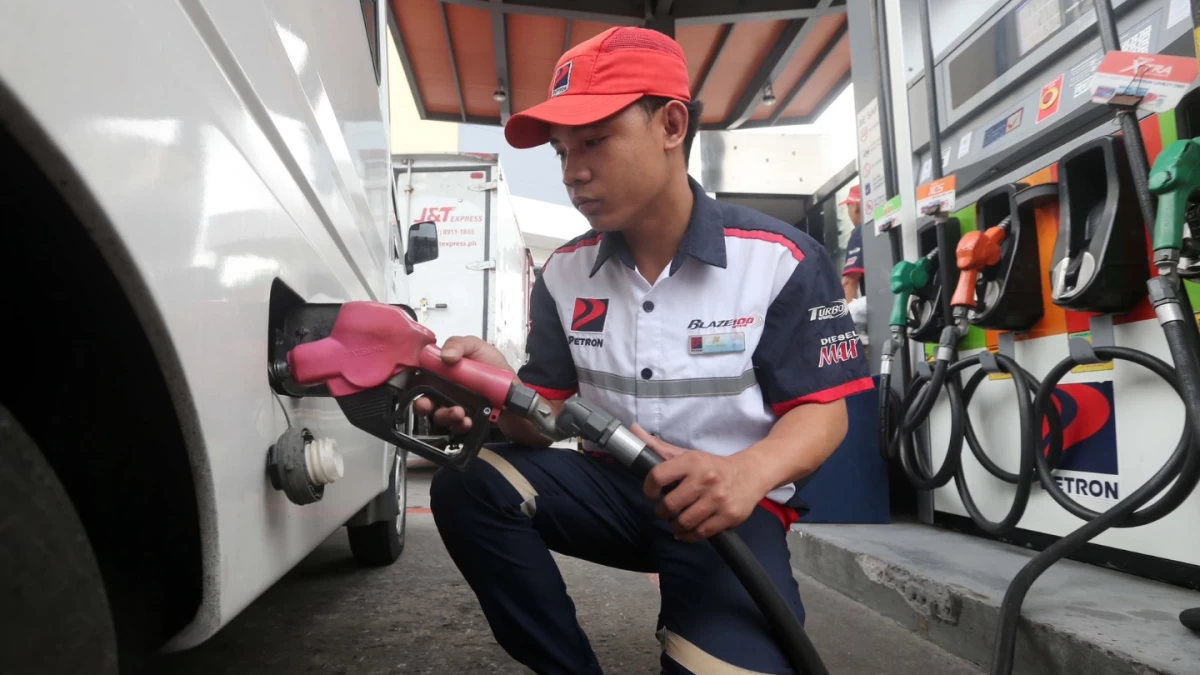
The Department of Energy (DOE) is seeking to secure emergency diesel supplies from the Asia-Pacific region as escalating conflict in the Middle East threatens to drive domestic pump prices to record levels.
Rino Abad, Oil Industry Management Bureau director, told reporters on Thursday, March 5, that the agency plans to coordinate with state-owned Philippine National Oil Co. (PNOC) to procure additional volumes and ensure a stable supply within a week.
The DOE initiative comes as preliminary estimates suggest diesel prices could jump by as much as ₱16 per liter next week, while gasoline may rise by ₱7.70 per liter.
Under the proposed strategy, the PNOC would use government funds to “lock in” supplies, providing a buffer against potential disruptions to commercial contracts held by the private sector.
The Philippines consumes approximately 200,000 barrels of diesel per day. Abad said a purchase of one million barrels would cover six days of national demand, while three million barrels could extend that coverage to 20 days.
The urgency follows reports that China may halt exports of refined fuel to protect its domestic inventory, a move that would significantly impact the Philippines.
South Korea and China currently provide 40 percent and 30 percent of the country's diesel imports, respectively.
Energy Secretary Sharon Garin has already directed the bureau to explore all regional procurement options to mitigate the impact of a thinning global supply.
Price volatility is being driven by the three-day Mean of Platts Singapore, the regional benchmark for refined products. While final price adjustments are typically settled on Friday trading, the current trajectory points toward a severe price shock for Filipino motorists.
The ₱16 estimated diesel price hike would mark a historic one-time increase, driven by a heightening risk premium as the Middle Eastern crisis continues to rattle energy markets.
The DOE is also monitoring whether the PNOC-procured supply can be distributed through the private sector if commercial importers face “force majeure” or significant delays in their existing contracts.