







February inflation climbs to 13-month high of 2.4%
Gov't moves to shield Filipinos from oil-driven price hikes


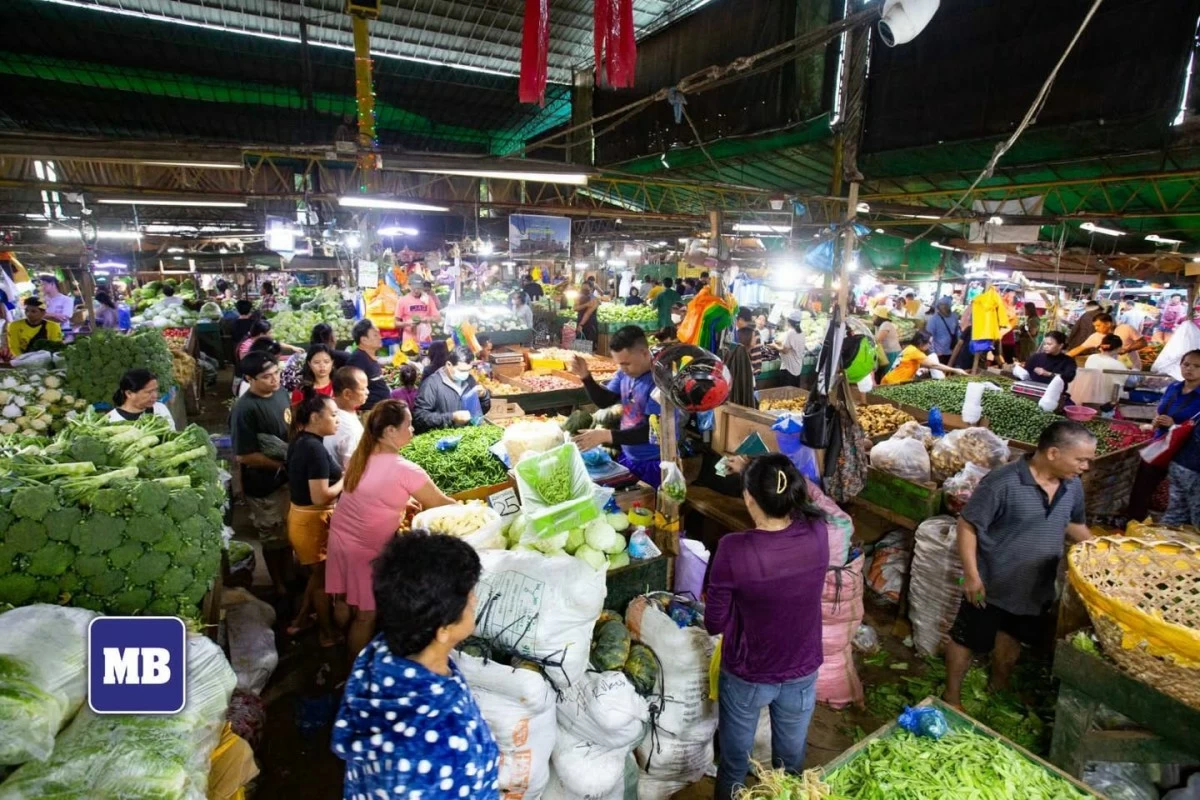
The year-on-year increase in prices of basic goods and services rose to a 13-month high of 2.4 percent in February, mainly on the back of faster food price increases.
With rice deflation easing and the threat of global oil prices skyrocketing amid the intensifying war in the Middle East, Filipinos should brace for spillovers to domestic prices that could also jack up local inflation in the near term.
National Statistician Claire Dennis S. Mapa noted during a press briefing on Thursday, March 5, that the inflation rate recorded last month was higher than both the two percent in January and 2.1 percent in February last year.
Philippine Statistics Authority (PSA) data showed that February inflation was the highest since the 2.9 percent posted in January 2025.
Headline inflation averaged 2.2 percent during the first two months of 2026, still close to the lower end of the two- to four-percent target range of manageable annual price increases deemed conducive to economic growth.
Month-on-month, consumer prices in February were 0.4 percent higher than January levels, also outpacing the 0.1-percent increase in the previous month.
Inflation among the bottom 30 percent income households, or the poorest Filipinos, was a faster 2.5 percent last month, the highest in 14 months.
While rice prices continued to post deflation, or lower year-on-year prices, Mapa pointed to a slower decline of 3.4 percent in February compared with the 8.5-percent drop in January.
Rice prices declined by 12.3 percent for the entire 2025, Mapa noted.
However, Mapa pointed to rising prices of regular milled rice, climbing from ₱42.95 per kilo last December to ₱43.29 per kilo in January and ₱45.27 by February.
While still benefiting from high base effects, Mapa acknowledged that rice inflation could eventually post low negative or low positive rates moving forward.
The same is true for oil prices, which are also benefiting from a high base, as fuel prices were elevated until they eased since March of last year, Mapa said.
“We are mindful of signals of weekly oil price increases,” Mapa said, noting that these would spill over to prices of domestic fuel, liquefied petroleum gas (LPG), transport fares, electricity, water, and other utilities, as well as rent.
Asked by Manila Bulletin how much of the consumer price index (CPI) basket is at risk or exposed to looming jumbo oil price hikes, Mapa replied in a text message: “Transport fuels (diesel and gasoline) account for 2.36 percent of the total CPI weight. Including electricity (weight: 4.55 percent), LPG (weight: 1.27 percent), and kerosene (weight: 0.04 percent), energy items in the CPI account for 8.23 percent of the total weight. These commodities are most likely to be directly affected by the ongoing conflict in the Middle East.”
“The secondary impact on inflation will be felt in agricultural items such as meat, fish, and vegetables (accounting for 14.88 percent of the CPI weight) due to a possible increase in transport costs for delivering these goods. A secondary impact may also be felt in the prices of meals eaten outside the home (weight: 9.47 percent) due to the expected increase in raw material costs,” Mapa told Manila Bulletin.
“Another sector that may be affected is other passenger transport by road (fares for tricycles, jeepneys, buses, and taxis), which has a CPI weight of 3.48 percent. However, the effect may be felt at a later date, since this sector is regulated by the government,” Mapa said.
In a statement, the Department of Finance (DOF) said the government is moving quickly to shield Filipinos from potential price shocks as tensions in the Middle East threaten to push global oil prices higher, rolling out a package of fuel management measures, targeted subsidies, and possible tax relief.
DOF Secretary Frederick D. Go, who is President Ferdinand R. Marcos Jr.’s chief economic manager, said the economic team is closely coordinating with other agencies to ensure a steady and proportionate response to fast-changing global developments.
To cushion the impact of rising global oil prices, the national government (NG) is working with local oil firms to implement gradual fuel price adjustments over several weeks, easing the immediate burden on households and businesses, the DOF said.
Marcos said earlier that he is considering the temporary reduction or suspension of excise taxes on fuel to mitigate the ripple effects of higher pump prices on goods and services.
As part of its energy security measures, the Philippines maintains fuel reserves sufficient to cover roughly two months of national demand, providing a buffer against possible supply disruptions, the DOF noted.
The DOF assured that targeted assistance is also being prepared. For instance, the Department of Transportation (DOTr), together with the Land Transportation Franchising and Regulatory Board (LTFRB), is set to roll out fuel subsidies for public utility vehicle (PUV) operators to help drivers cope with higher costs and keep fares affordable.
The Department of Agriculture (DA) will also extend fuel subsidies to farmers and fisherfolk to help stabilize food production costs and prevent further pressure on food prices, it noted.
Another relief measure under consideration is the provision of free bus rides. The Metropolitan Manila Development Authority (MMDA), in partnership with private firms, plans to launch the Electric Love Bus program, offering free rides on select Metro Manila routes by late April or early May, the DOF added.
“The government is closely monitoring global oil prices and the duration of the ongoing conflict, so we can respond accordingly. We remain vigilant, prepared, and committed to protecting the welfare of all Filipinos,” Go said.
In a separate statement, the Bangko Sentral ng Pilipinas (BSP) noted that the February print falls within its earlier forecast range of 2.3 to 3.1 percent, adding that the inflation outlook remains manageable, with expectations still well anchored.
However, the BSP said its full-year 2026 inflation forecast has inched up to 3.6 percent, largely due to supply-side pressures. Inflation is seen by the BSP easing to 3.2 percent in 2027.
As such, the BSP said its policy-making Monetary Board (MB) will stay vigilant and continue to be guided by incoming data, particularly on inflation. The central bank said the MB is closely monitoring recent developments in the Middle East for their potential impact on near-term inflation and economic activity.
According to the BSP, it will ensure that its policy settings remain aligned with its mandate of maintaining price stability in support of sustainable growth and employment.