







US Supreme Court declines case to award copyright to art created by AI
Published Mar 4, 2026 09:25 pm


At a glance, this may seem like a straightforward copyright case; however, the art in question was generated by AI, and given the proliferation of AI-generated images today, the case could set an early precedent for how copyright in AI cases is handled.
The crusade of Stephen Thaler of St. Charles, Missouri, to gain copyright for an AI image he created has already been fourteen years in the making, and it seems he will never be awarded the copyright that he has been fighting for.
In a Monday report from Reuters, the US Supreme Court declined to hear Thaler's case, which involves an AI-generated visual art piece he created in 2012. The piece titled "A Recent Entrance to Paradise" was created using an AI tool called DABUS (Device for the Autonomous Bootstrapping of Unified Sentience) developed by Thaler, who is also a computer scientist.
In 2018, Thaler applied for copyright protection for his visual art, but the US Copyright Office rejected it in 2022 on the grounds that creative works must have human authorship to be eligible for copyright. This decision was later upheld by a district court.
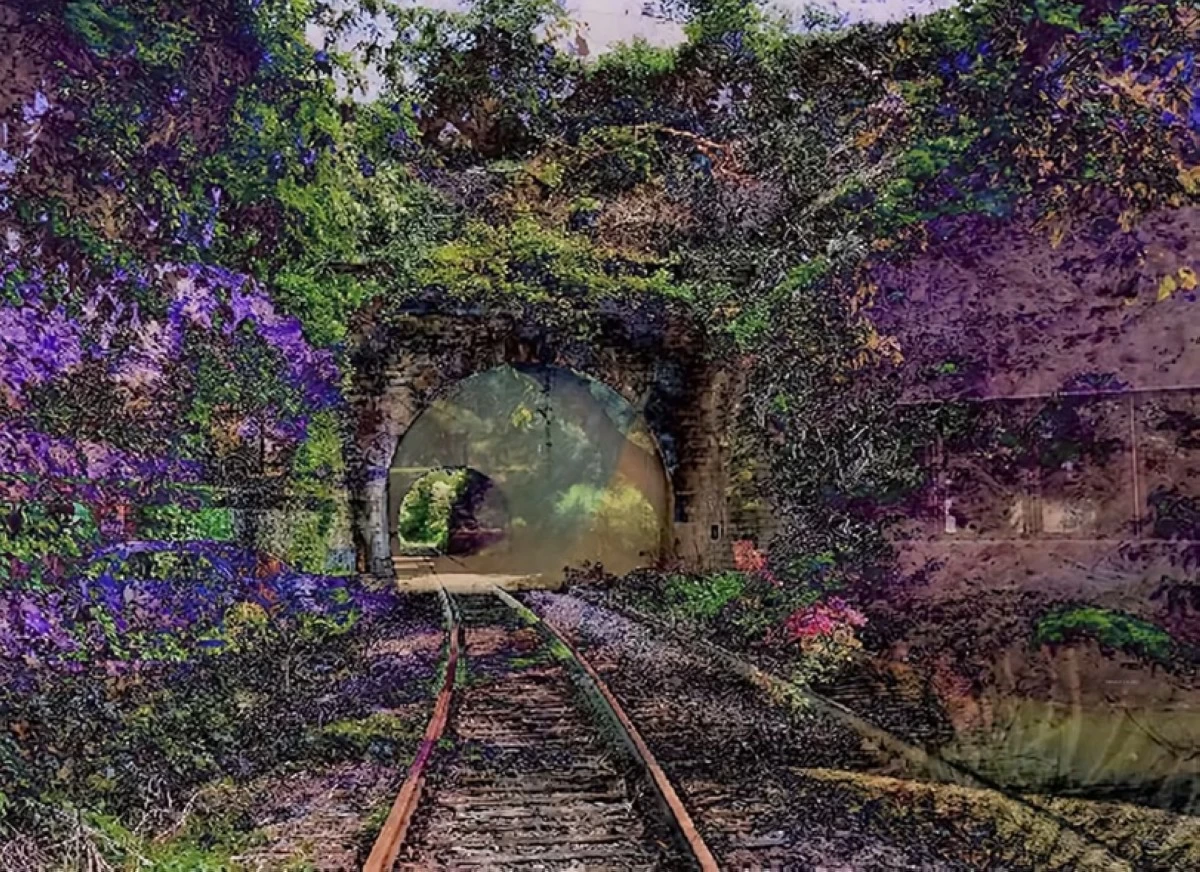
"A Recent Entrance to Paradise": DABUS/Stephen Thaler
Thaler’s team argues that because he created the system (DABUS) that produced the artwork, he is its author.
During the proceedings, Thaler told the Supreme Court that AI is already being used in fields from medicine to energy and that rejecting AI-generated patents: “curtails our patent system’s ability - and thwarts Congress’s intent - to optimally stimulate innovation and technological progress.”
Harvard professor Lawrence Lessig, who expressed support for Thaler in the case, has said in a brief that the Federal Circuit’s decision “jeopardizes billions (of dollars) in current and investments, threatens U.S. competitiveness, and reaches a result at odds with the plain language of the Patent Act.”
"Although the Copyright Act does not define the term 'author', multiple provisions of the act make clear that the term refers to a human rather than a machine," the administration said.