






Manila Bulletin
 Philippines
National
Senate inquiry into PH energy reserves sought amid Middle East conflict
Philippines
National
Senate inquiry into PH energy reserves sought amid Middle East conflict
Philippines
National
Senate inquiry into PH energy reserves sought amid Middle East conflict
Senate inquiry into PH energy reserves sought amid Middle East conflict
By Dhel Nazario
Published Mar 4, 2026 09:56 am


Senator Imee Marcos has filed a resolution seeking to conduct an inquiry in aid of legislation into the country's energy reserves as well as the government's mitigation responses to "energy shock".
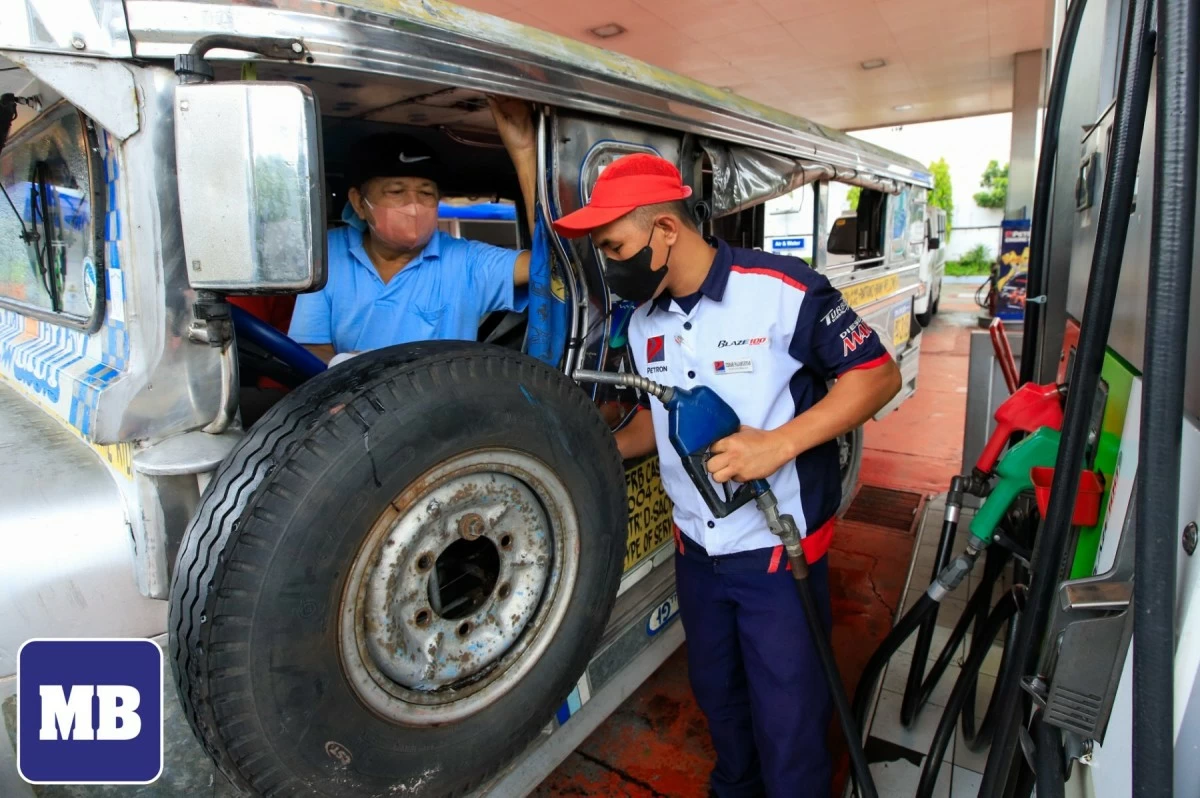
Marcos filed P.S. Resolution No. 333 on Tuesday, March 3, amid the escalating conflict in the Middle East that is seen to last for four to five weeks and is expected to greatly impact oil prices.
In the resolution, she cited the International Energy Agency (IEA), which recommended that each country hold oil stocks equivalent to 90 days of net oil imports. President Marcos stated that the country has a stockpile of 50-60 days in terms of gasoline, fuel oil, and kerosene.
“Nakababahala, hindi sapat ang ating mga reserba! Ang LPG hindi aabot ng isang buwan, ang gasolina wala pang dalawang buwan. Dapat may malinaw at konkretong emergency plan para maprotektahan ang ating energy security! (It is alarming — our reserves are not enough! Our LPG will not last a month, and our gasoline won’t even last two months. There must be a clear and concrete emergency plan to protect our energy security!)” Senator Marcos said in a statement on Wednesday, Feb. 4.
Senator Marcos also stated that energy price volatility poses significant risks to the oil importing Philippine economy, as increases in petroleum prices directly impact transportation costs, electricity generation, agricultural production, food prices, and other essential goods and services, contributing to inflationary pressures.
She stated that as early as 2022, she already filed Senate Bill No. 187 (re-filed as SBN 120 in 2025) to grant the President the authority to remove the VAT on oil during times of emergency.
Senator Marcos also insisted that, instead of implementing broad subsidies or price controls—where even the wealthy and large corporations benefit—direct assistance should be given to selected sectors.
The senator also proposed entering into long-term supply contracts to prevent sudden price spikes and to strengthen the country’s energy security.
“Kung may fixed-price contracts tayo, hindi tayo basta-basta tatamaan ng biglaang pagtaas. Protektado ang mamamayan (If we have fixed-price contracts, we won’t be easily hit by sudden price increases. The public will be protected),” she explained.
She also added that as chair of the Association of Southeast Asian Nations (ASEAN), the country should engage its fellow member states to cooperate on oil stockpiling and procurement, stressing that the voice of the entire region carries more weight than acting individually.
“Hindi dapat magdusa ang mga oil-poor na bansa tulad natin kung may konkretong emergency plan at malinaw na hakbang para sa ating energy security (Oil-poor countries like ours should not have to suffer if there is a concrete emergency plan and clear steps in place to safeguard our energy security),” she said.