






Manila Bulletin
 Business
Trade & Industry
Fort Bonifacio leads Metro Manila office market recovery—Colliers
Business
Trade & Industry
Fort Bonifacio leads Metro Manila office market recovery—Colliers
Business
Trade & Industry
Fort Bonifacio leads Metro Manila office market recovery—Colliers
Fort Bonifacio leads Metro Manila office market recovery—Colliers
BGC vacancy drops to 10.5% in 2025; masterplan review urged
Published Mar 4, 2026 01:10 pm


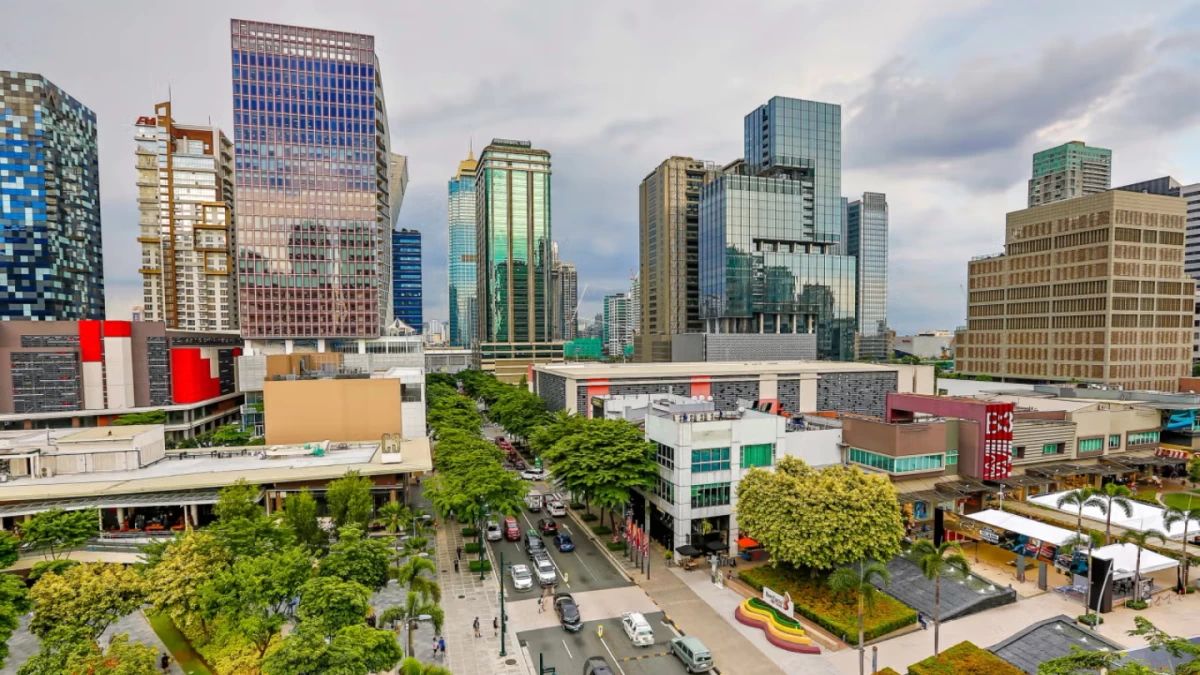
Fort Bonifacio is leading the recovery of Metro Manila’s office market, with surging transactions, tightening vacancies, and a limited supply pipeline likely to push rents higher, according to a report by Colliers Philippines.
In its March 4 report titled “Ahead of the curve: Fort Bonifacio sets the pace in Philippine office real estate,” authored by Colliers Philippines research manager Kath Taburada and director Kevin Jara, the consultancy said the district posted 232,000 square meters (sqm) of office transactions in 2025—nearly double the previous year’s volume.
Vacancy fell to 10.5 percent, well below the Metro Manila average of 19.4 percent.
“With office transactions surging in 2025 and vacancies tightening to 10.5 percent—far lower than the Metro Manila average—Fort Bonifacio solidifies its footing as Metro Manila’s most favored business address,” the report said.
Located in Taguig City, Fort Bonifacio has transformed from a former military base into a master-planned commercial hub following the enactment of the Bases Conversion and Development Act in 1992. Development accelerated through partnerships between the government and the private sector, eventually giving rise to the highly urbanized district now known as Bonifacio Global City (BGC).
Compared with older business districts such as Makati central business district (CBD) and Ortigas Center, Colliers noted that Fort Bonifacio offers newer buildings with efficient floor plates, advanced engineering systems, and sustainability features—attributes increasingly prioritized by tenants seeking future-ready workplaces.
Demand has been driven largely by expansions from global capability centers and outsourcing firms, with multinational occupiers such as HSBC, Meta, American Express, J.P. Morgan, and Google anchoring operations in the district.
Despite strong leasing activity, only 99,000 sqm of new office supply is expected to be completed over the next five years. Colliers warned that the limited pipeline could further tighten vacancies to single digits and drive rental growth.
“This limited pipeline, combined with high demand, may place upward pressure on rents and intensify competition for quality spaces,” the report said.
Beyond market performance, Colliers highlighted the need to reassess BGC’s long-term urban plan as corporate presence and population density continue to rise.
“In this context, Colliers views the review of BGC’s masterplan as both timely and necessary,” the report added.
The refreshed framework, to be developed in partnership with SGV & Co., aims to create a more “people centric” district by enhancing open spaces, improving streetscapes, promoting active mobility, advancing transit-oriented development, and reassessing gross floor area entitlements to optimize land use.
“With strong demand, modern infrastructure, and a refreshed masterplan underway, the district is positioned to remain one of the Philippines’ most future-ready business hubs,” Colliers said.