






Manila Bulletin
 Philippines
National
DFA spox hits critics of PH-China provisional understanding without even seeing it
Philippines
National
DFA spox hits critics of PH-China provisional understanding without even seeing it
Philippines
National
DFA spox hits critics of PH-China provisional understanding without even seeing it
DFA spox hits critics of PH-China provisional understanding without even seeing it
Published Mar 4, 2026 06:07 pm


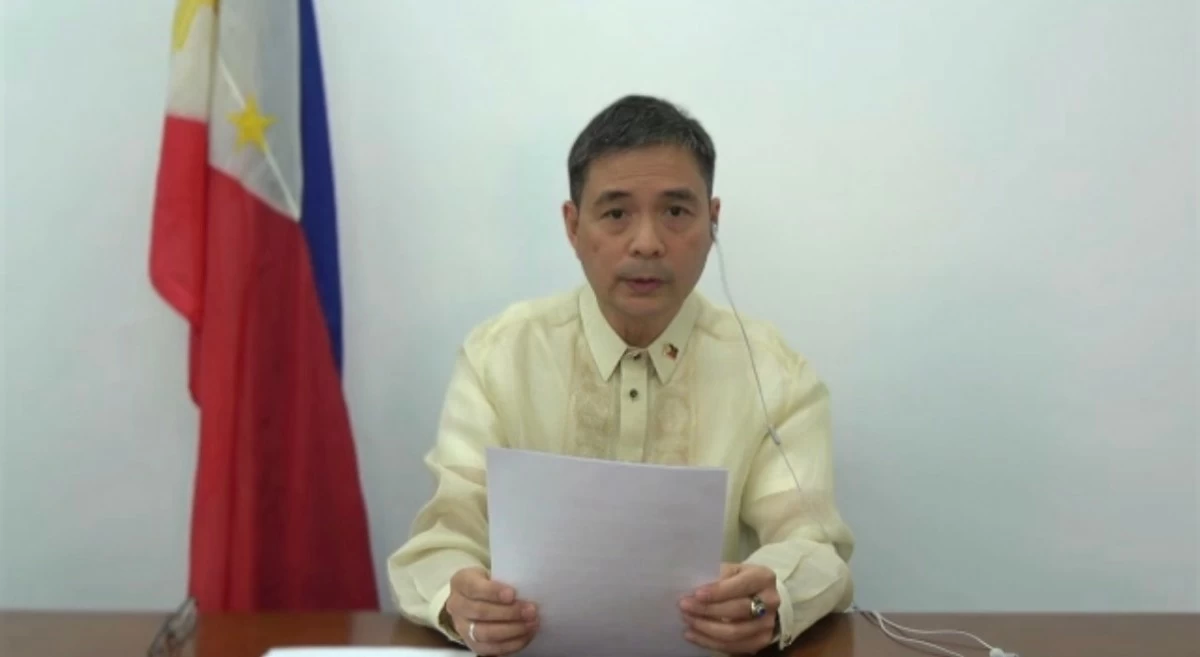
Screenshot
Department of Foreign Affairs (DFA) Maritime Affairs spokesman Rogelio Villanueva, on Wednesday, March 4, hit those who criticize the provisional understanding between China and the Philippines, considering the fact that they haven't even seen the document.
Although the provisional understanding already facilitated 13 successful rotation and resupply (RORE) missions since 2024, it has still been subjected to uninformed criticism, "flawed analysis and a narrow understanding of both international law and of national objectives."
Villanueva said there are mistaken attempts at equating the provisional understanding with the provisional agreements stated under the United Nations Convention on the Law of the Sea (UNCLOS).
Villanueva made it clear that the provisional understanding is not nor has even been the same provisional agreement stipulated under UNCLOS.
"Rather, it is an understanding between the Philippines and China with the aim of conflict prevention and conflict avoidance, which is well contemplated in international law and not just in UNCLOS," he said.
"To portray the Provisional Understanding as a singular application of UNCLOS provisions demonstrates either a fundamentally unfounded interpretation of international law, or a malicious attempt to deliberately misconstrue the Philippine position and government efforts," he added.
Villanueva also said it is a basic principle of governance and international relations that states have the prerogative to ensure the confidentiality of documents involving national security and international relations matters.
"The provisional understanding takes full note of the foregoing, and was drafted specifically to be without prejudice to the Philippines’ national position," he said.
Villanueva stressed that the understanding does not require the Philippines to seek permission to undertake RORE missions, nor does it allow boarding and inspection of Philippine vessels.
"And above all, it does not concede the Philippines’ sovereignty, sovereign rights and jurisdiction," he added.