






Manila Bulletin
 Philippines
National
DepEd urged to protect 180 instructional days amid proposed three-term school calendar shift
Philippines
National
DepEd urged to protect 180 instructional days amid proposed three-term school calendar shift
Philippines
National
DepEd urged to protect 180 instructional days amid proposed three-term school calendar shift
DepEd urged to protect 180 instructional days amid proposed three-term school calendar shift
Published Mar 4, 2026 12:33 pm


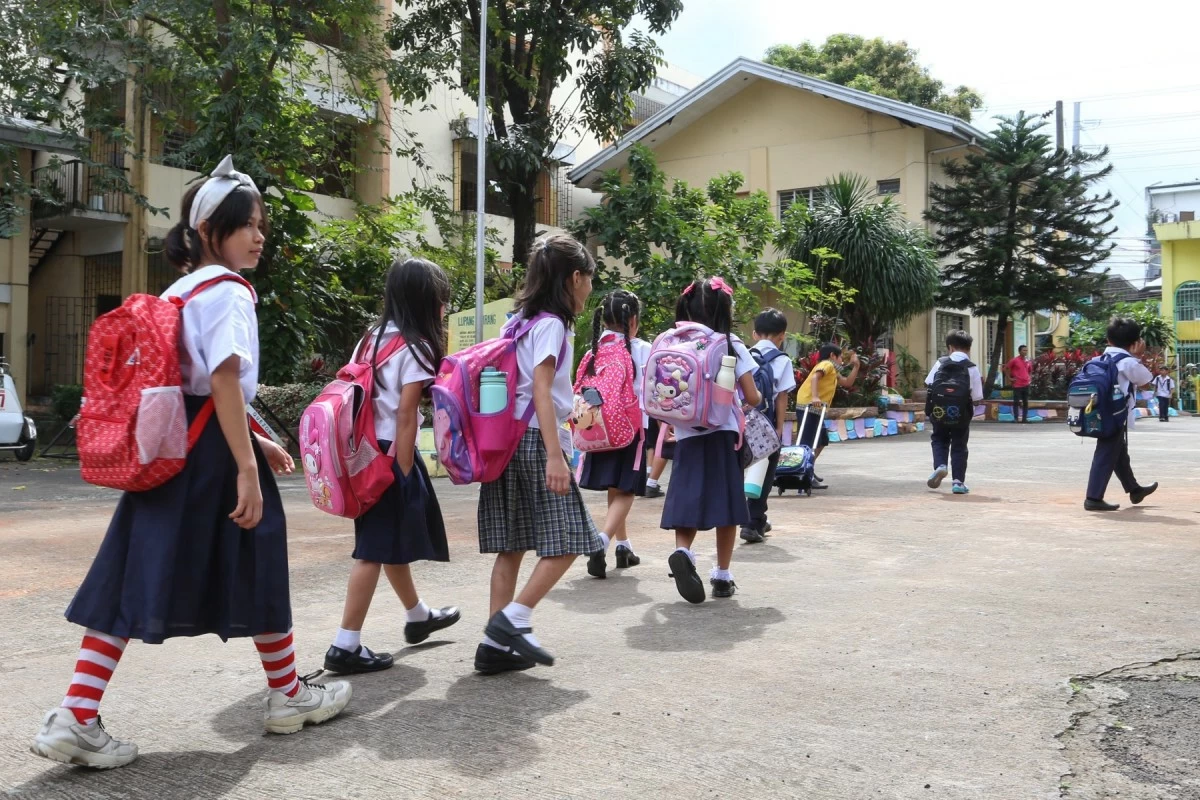
The Department of Education (DepEd) was urged to safeguard the mandatory 180 instructional days amid the proposed shift to a three-term school calendar for basic education. (Manila Bulletin / file)
The Department of Education (DepEd) is being urged to strictly protect the minimum 180 instructional days as it pushes for a shift from the current quarterly academic calendar to a three-term system for basic education.
In a statement issued on Wednesday, March 4, the Second Congressional Commission on Education (EDCOM 2) said that during a recent public hearing of the Senate Committee on Basic Education, lawmakers and education officials examined DepEd’s proposed calendar reform, stressing that the transition must not further reduce actual classroom learning time.
53 teaching days lost in one school year
EDCOM 2 Executive Director Karol Mark Yee presented data showing a steady decline in actual teaching days due to class suspensions and other disruptions.
“In the last three years of EDCOM, we have been reporting the high number of suspension days that contribute to lost learning,” Yee said.
“In 2023 to 2024, we counted 53 teaching days lost—this is equivalent to at least one full quarter,” he added.
The lost days, Yee explained, were attributed to class suspensions caused by typhoons, extreme heat indices, local holidays, and teachers’ non-teaching tasks.
In its final report, Turning Point: A Decade of Necessary Reform (2026–2035), EDCOM 2 noted that natural calamities—particularly heat waves and typhoons—were the leading causes of school disruptions.
However, the commission also flagged more than 115 mandated celebrations, commemorations, and contests that, depending on local implementation, further reduced in-class instruction time.
‘If we need 180 days, we should have 180 days’
EDCOM 2 Co-Chairperson Bam Aquino, who chaired the hearing, emphasized that maintaining at least 180 instructional days must be non-negotiable under any revised academic calendar.
He urged DepEd to establish a concrete contingency plan to ensure that the required number of teaching days is met despite climate-related disruptions.
Aquino added that extending the school year into April and May, if necessary, should be considered to meet the baseline.
“If we need 180 days, we should have 180 days,” he stressed, warning against the mass promotion of students who may not yet be academically prepared due to insufficient instruction time.
Reducing teachers’ administrative workload
Meanwhile, EDCOM 2 Co-Chair Loren Legarda raised concerns over the heavy administrative burden on public school teachers, which she said takes away from actual teaching and learning.
Legarda pressed DepEd on its strategies to reduce non-teaching tasks, especially under the proposed three-term system.
“What can we do, or what is DepEd already doing, to share responsibilities insofar as administrative duties are concerned so that teachers can focus on teaching and learning for students?” she asked.
She also floated the possibility of tapping government internship funds to hire administrative assistants for principals and teachers, allowing educators to concentrate on classroom instruction.
DepEd calendar reform under scrutiny
The proposed three-term school calendar reform is part of DepEd’s broader efforts to improve learning delivery and respond to recurring climate disruptions.
However, lawmakers stressed that any structural change must prioritize learning continuity, teacher support, and strict compliance with the 180-day instructional requirement.
EDCOM 2, created through Republic Act No. 11899, is mandated to conduct a comprehensive national assessment of the Philippine education sector and recommend legislative reforms to address the country’s ongoing education crisis.
In an interview last month, DepEd Secretary Sonny Angara said the proposed shift to a trimester system for basic education in Philippine schools aims to “ease teachers’ workload and give students more time for activities that enhance learning.”
READ:
As discussions continue, education stakeholders are closely monitoring how DepEd will reconcile its proposed school calendar reform with the urgent need to recover lost learning time and ensure quality basic education for Filipino students.
READ: