






Manila Bulletin
 Philippines
National
Quimbo backs calls to suspend fuel excise tax amid Middle East conflict
Philippines
National
Quimbo backs calls to suspend fuel excise tax amid Middle East conflict
Philippines
National
Quimbo backs calls to suspend fuel excise tax amid Middle East conflict
Quimbo backs calls to suspend fuel excise tax amid Middle East conflict
Published Mar 3, 2026 03:24 pm


At A Glance
- House Committee on Ways and Means Chairman Marikina City 2nd district Rep. Miro Quimbo is echoing calls to suspend excise tax on fuel, ideally through Palace action.
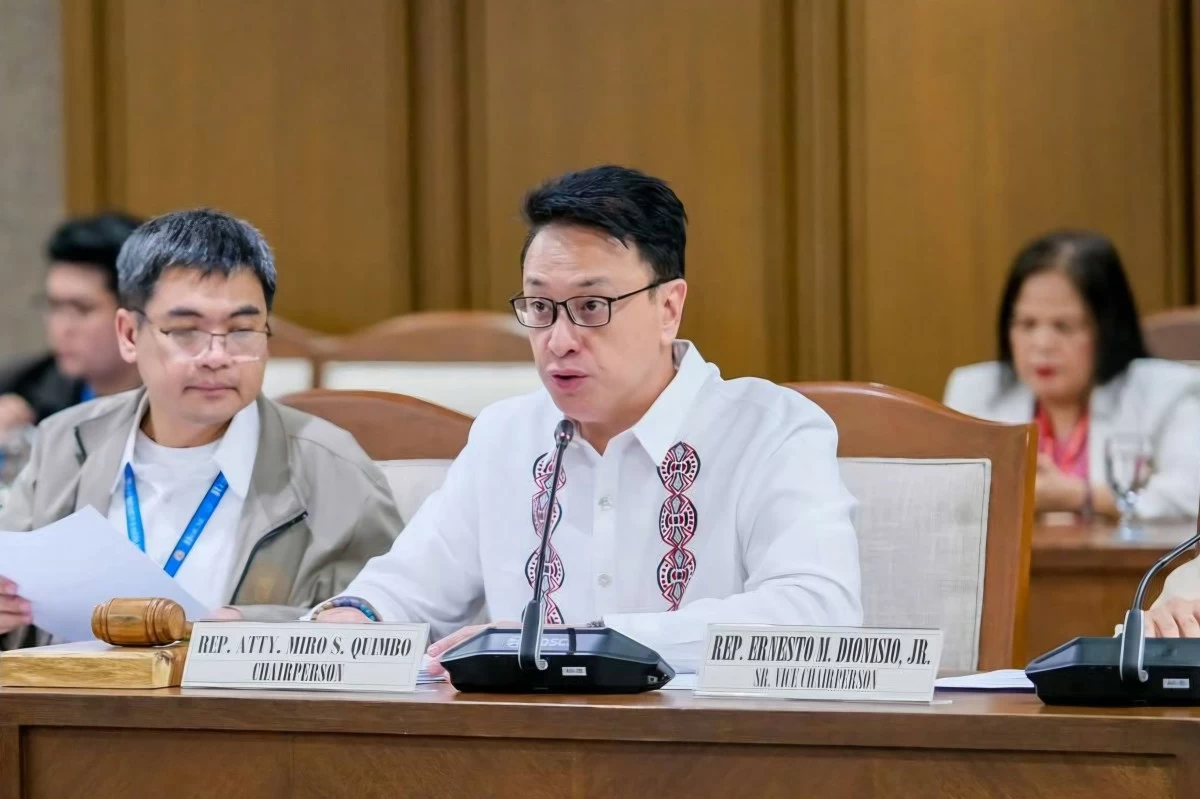
Marikina City 2nd district Rep. Miro Quimbo (Facebook)
House Committee on Ways and Means Chairman Marikina City 2nd district Rep. Miro Quimbo is echoing calls to suspend excise tax on fuel, ideally through Palace action.
"I support calls to promptly suspend excise tax on fuel to protect our consumers amid escalating tensions in the Middle East and the strong possibility of rising global crude oil prices," Quimbo said in a statement Tuesday, March 3.
"However, this cannot be done through executive action alone Under existing law, the President will need the authority from Congress to suspend the fuel excise tax," he noted.
"Therefore Congress must immediately pass a measure authorizing the President to suspend the excise tax on fuel during extraordinary circumstances, subject to clear and measurable triggers," Quimbo said.
The ranking solon underscored that time was of the essence, given the volatile situation in Middle East following the United States (US) and Israel's attack on Iran over the weekend.
"Now is the time to prepare before prices surge further," said the economist-solon.
Also on Tuesday, Navotas City lone district Rep. Toby Tiangco introduced a House and Senate joint resolution urging President Marcos to temporarily suspend the collection of the Value-Added Tax (VAT) on all fuel products during the ongoing conflict.
"The continuing conflict is expected to cause significant increases in fuel prices, which will in turn also affect the price of basic commodities," Tiangco said.
"A temporary suspension of the Value-Added Tax (VAT) on fuel products is necessary to help consumers cope with the undue economic burden during this period of conflict," he added.
Tiangco notes that Iran is a member of the Organization of the Petroleum Exporting Countries (OPEC) and that the conflict poses a threat to global oil supply and market stability.
"While the government has already allocated fuel subsidies for public utility vehicle drivers and operators, as well as assistance for farmers and fisherfolk, it may not be enough. It is imperative for the national government to safeguard the welfare of the Filipino people by mitigating the economic impact of volatile fuel prices," he explained.