






Manila Bulletin
 Philippines
National
PPA vows operational readiness amid PH port operation concerns over Middle East tensions
Philippines
National
PPA vows operational readiness amid PH port operation concerns over Middle East tensions
Philippines
National
PPA vows operational readiness amid PH port operation concerns over Middle East tensions
PPA vows operational readiness amid PH port operation concerns over Middle East tensions
Published Mar 3, 2026 05:24 pm


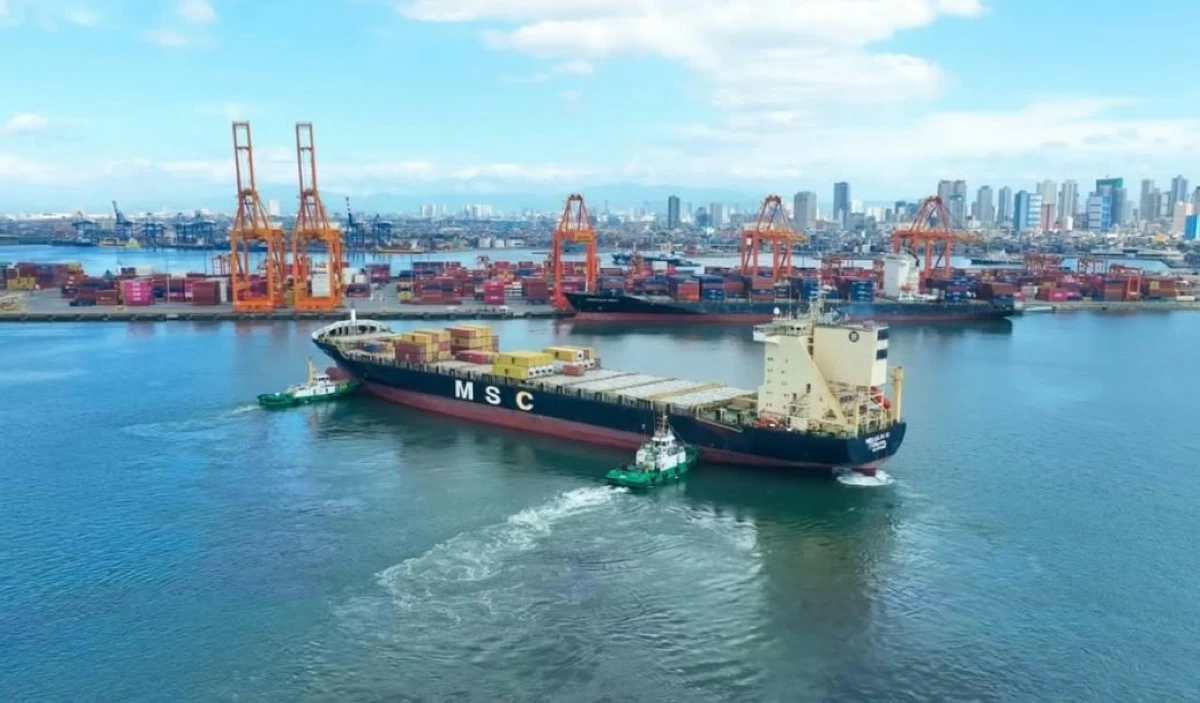
The Philippine Ports Authority (PPA) has recorded no direct operational or routing disruptions affecting any port of the country following the closure of the Strait of Hormuz amid the escalating tensions in the Middle East.
Located between Oman and Iran, the Strait of Hormuz is a major route for global oil trade, and experts said its prolonged closure could lead to disruption in global shipping routes.
As far as the operation of Philippine ports is concerned, PPA General Manager Jay Daniel Santiago said the closure of the Strait of Hormuz has not resulted in operational disruptions within the domestic port system.
He said port operations remain fully operational as he explained that shipments from the Middle East, particularly those originating from Saudi Arabia, the UAE, Qatar, Kuwait, and Iraq, are largely energy-related.
“Exposure is primarily crude oil, refined petroleum products, and LNG. There are also some petrochemicals and fertilizer imports, as well as limited containerized cargo from Gulf transshipment hubs such as Jebel Ali, but the bulk of the strategic exposure is energy-related,” said Santiago.
But Santiago said increases in freight service cost may be expected should tensions further escalate.
“There is no direct operational routing issue affecting our ports. However, any disruption in global shipping routes could affect freight rates, bunker costs, and eventually cargo volumes,” he said.
He, however, assured the public of the ongoing efforts to cushion any adverse effects of prolonged Middle East tensions.
“The Philippine Ports Authority reiterates its commitment to closely coordinate with shipping lines, port operators, and relevant government agencies to monitor global developments and ensure the uninterrupted movement of trade through Philippine ports,” said Santiago.
Currently, he said the Philippine port system is firmly supported by sustained cargo growth.
In 2025 alone, PPA data revealed that cargo throughput rose by six percent to 307.64 million metric tons, driven by increased demand for construction materials and petroleum products.
Santiago said the growth reflects continued infrastructure activity and stable demand across key sectors of the economy.