






Manila Bulletin
 Environment and Sustainability
How one man uses bones to build a culture of stewardship
Environment and Sustainability
How one man uses bones to build a culture of stewardship
Environment and Sustainability
How one man uses bones to build a culture of stewardship
How one man uses bones to build a culture of stewardship
Published Mar 3, 2026 07:17 am
|
Updated Mar 3, 2026 01:56 pm


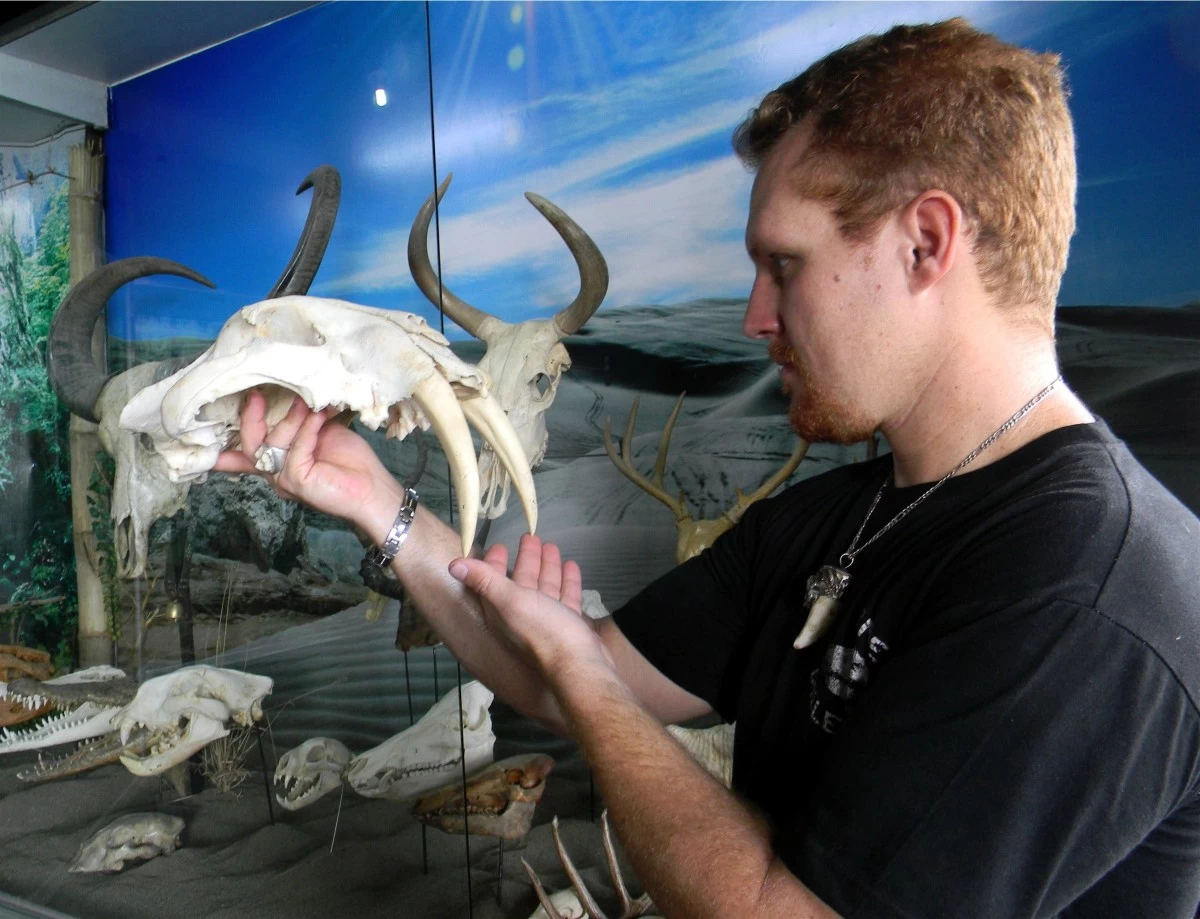
Darrell Dean Blatchley
Saint Ignatius of Loyola once said, “The safest and most suitable form of penance seems to be that which causes pain in the flesh but does not penetrate to the bones.”
In other words, it is more just “kilig to the bones,” a phrase used to describe a feeling of being utterly thrilled or exhilarated.
To American Darrell Dean (DD for short) Blatchley, who now lives in Davao City, the bones of animals are more than just bones. They can be used to share the importance of the environment and the ecosystems where these animals lived when they were still alive.
“We can increase awareness by detailing the circumstances surrounding the deaths of these animals,” DD explained. “In the case of the rhino skull, we can address why they are going extinct. This can be attributed to misinformation, poorly conceived laws, and a focus on short-term realities.”
Rhinos, known as some of the most iconic and majestic animals on the planet, are easily identifiable by their prominent horns. In various Asian cultures, especially in traditional Chinese medicine and some Vietnamese practices, there is a common misconception that rhino horn has healing properties, including reducing fever or detoxifying the body. There is no scientific basis for this claim.
“Rhino horn is composed of keratin, the same material found in human fingernails,” DD says. He adds that continued demand has contributed to the illegal harvesting of rhino horns, putting further pressure on wild populations.
DD has been collecting bones across the United States (his birthplace), Thailand (where his parents served as missionaries), and the Philippines (his current residence). “My earliest recollections of animal bones date back to when I was 7 or 8. I had a pet bird that passed away, and I distinctly remember exhuming it in Thailand,” he reminisces.
Bones serve as remnants of history. “To me, bones represent the ultimate educational resource,” DD asserts. “The bones narrate the inner story of a life that has been lived. While an animal is alive, its bones are not visible, but they reveal whether it has experienced a healthy existence or a deficient one due to inadequate nutrition and vitamins. If the animal endured a traumatic life, this is evident in broken and healed bones. We can also determine the age of animals through their bones.”
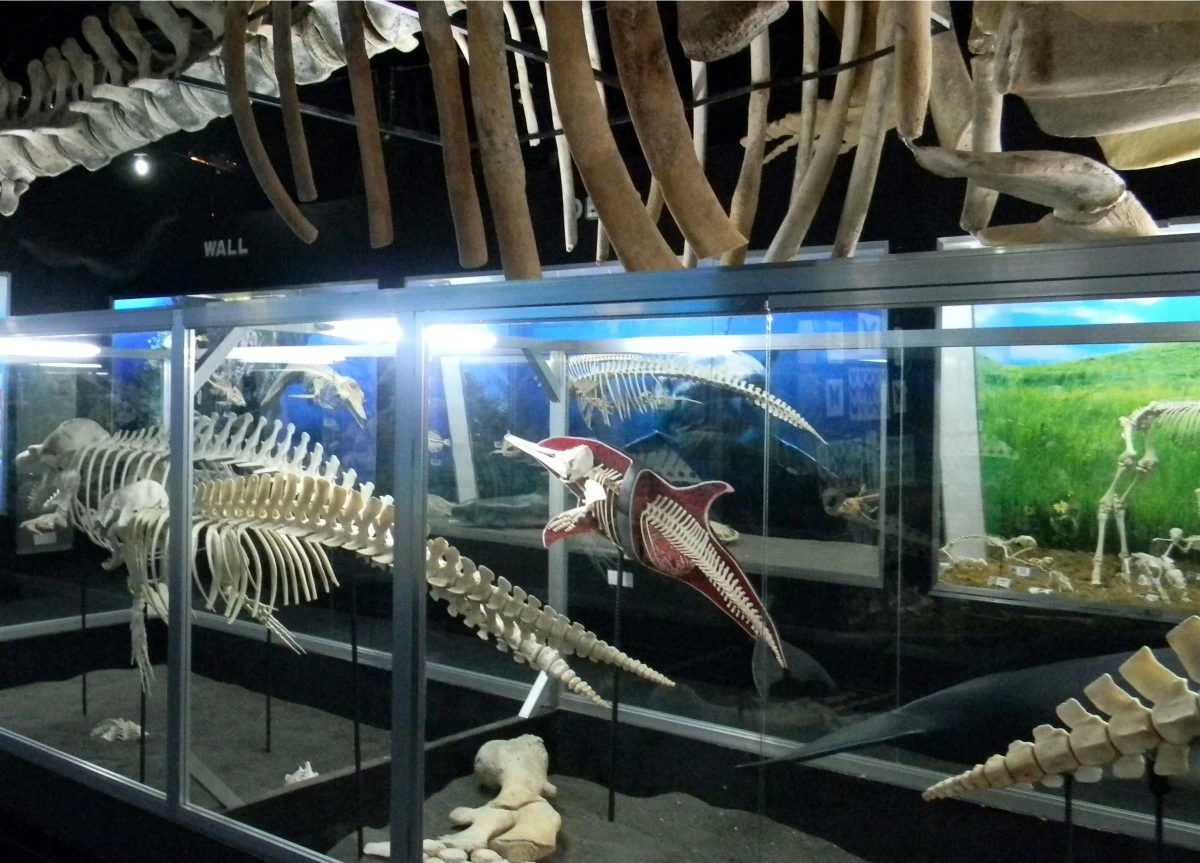
Some of the bone collections
DD is the curator and owner of the D’Bone Collector Museum in Davao City, which opened to the public on Jan. 28, 2012. The museum boasts one of the largest collections of bones not only in Mindanao but across the country.
“When the museum opened to the public, there were 150 specimens on display. The last count in 2018 was over 6,500 specimens,” he says.
Among those being displayed are a 41-foot-long sperm whale and an elephant. Bones and skeletons of a Syrian brown bear, snakes, a tarsier, marine turtles, various fish species, shark jaws of different sizes, and birds abound.
“Each group that goes to the museum gets a tour of the animals found in each of the displays. One of the things we show to them is how some of the animals died due to humans throwing garbage into the ocean or canals and how this affects whales and dolphins,” DD explains.
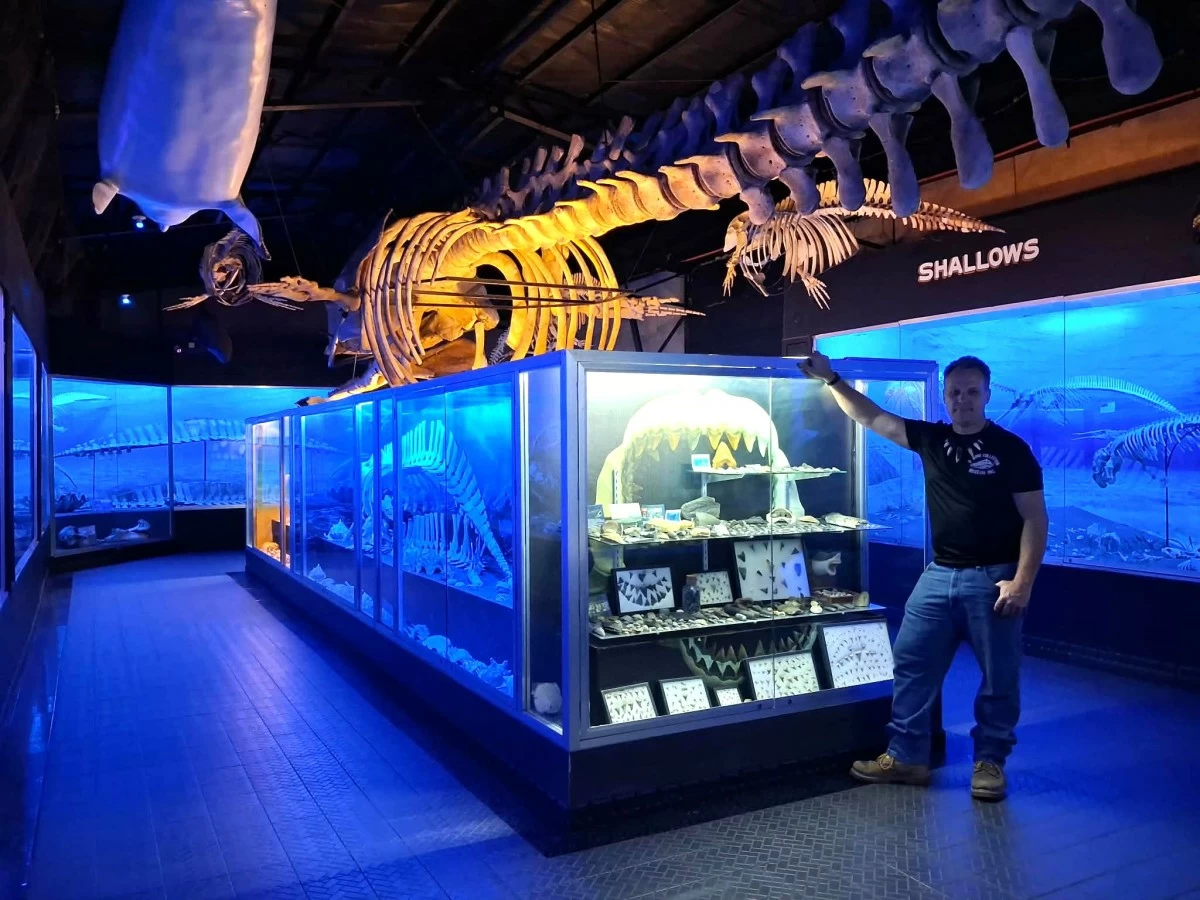
Inside the bone museum
Each animal on display has an interesting story to tell. There is Mercy, a dwarf sperm whale, who perished in a fishing net. “She was still alive when the fishermen discovered her, but they killed her, mistakenly believing she was a shark entangled in their net,” DD says. “Once she was dead and they realized she was neither valuable nor edible, they discarded her back into the ocean. Upon her recovery, we found out she was pregnant.”
Another case involves a false killer whale that was discovered deceased with plastic waste in its stomach. Additionally, another marine mammal died after ingesting a piece of plastic wrapper.
Many of the animals exhibited in the museum are rarely seen. “This is, for me, a source of sadness,” DD remarks. “It is due to human negligence, waste, carelessness, or overexploitation that many species are now endangered. I hope people become aware of this reality before these species vanish forever.”
Raising awareness is central to DD's advocacy. “You don’t have to stop a whaling ship to help these animals,” he says. “Just by properly throwing away your garbage, you can make a difference. Not buying endangered wildlife products is another way. Little things like these, when added together, can have an impact.”
The museum has recently celebrated its 14th anniversary. Over the years, it has accumulated a wealth of knowledge.
“For more than 17 years, we have been working with animal remains and have encountered greedy, dangerous individuals who believe these bones are as valuable as gold. They fail to understand the effort required to preserve and exhibit these animals. If it puts my life and my team’s safety at risk, it is better to walk away.”
His parents are still working as missionaries in the country. DD, however, sees his work with the bone museum as not as noble as what his parents are doing. “God cares for His animals, and we humans should take care of His creations,” he says. “But the most important thing is still our fellow beings. The museum teaches us to be good stewards of what is around us.”
The museum’s exhibitions continue to expand in both quantity and scale. “Our dream is to establish several branches in different regions of the country, but the circumstances must be appropriate,” he states. “We do not wish to compromise the collection by hurrying the process.”
The museum is funded through entrance fees. “Our museum does not receive government support,” he emphasizes. “We strive to do the best we can for the Philippines, with the hope that the future will see improvements in how the country cares for its environment. It should not merely be about lifeless animals in a museum, but about the life choices made by our visitors. We hope these visitors will adopt better environmental practices. There is power in numbers, and change can occur through collective action."