







Venereal diseases: A tainted kind of love
Are you safe from these sexually transmitted infections?
Published Mar 2, 2026 08:43 pm


At A Glance
- Sex is an evolutionary drive, and bacteria, viruses, and other pathogens take advantage of this route to find new human hosts.
Valentine’s Day has come and gone, and the weeks that follow are busy days for infectious disease doctors like me. Roses, chocolates, and hot dates give way to genital ulcers, penile discharges, and itchy perineums. The usual diagnoses? Gonorrhea, chlamydia, and syphilis. Throw in unwanted pregnancies and the risk of HIV, and suddenly, the love month doesn’t look so romantic.
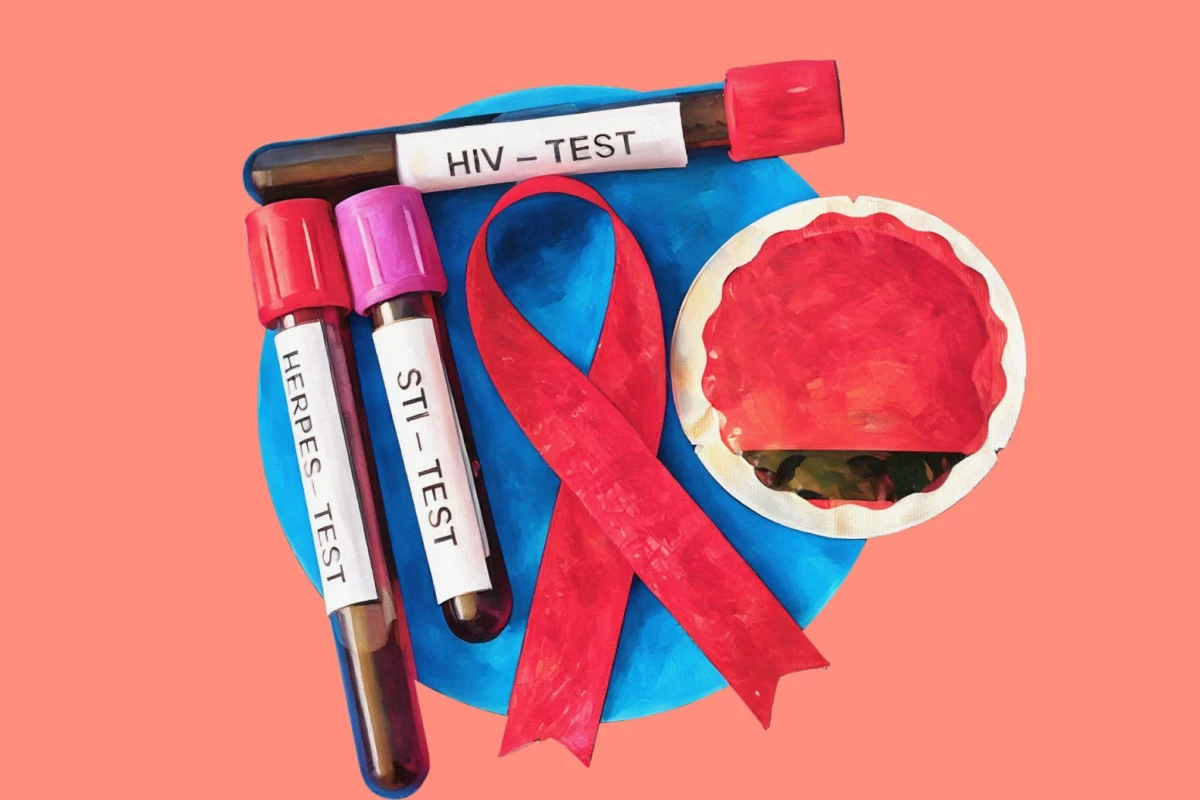
Venereal diseases, named after Venus, the Roman goddess of love, are some of the oldest illnesses known to man. More formally known as sexually transmitted infections or STIs, these diseases are primarily transmitted through genital, anal, and oral sex. Sex is an evolutionary drive, and bacteria, viruses, and other pathogens take advantage of this route to find new human hosts. Some venereal diseases are relatively harmless, while others can lead to life-threatening complications. We will examine three of the most common bacterial STIs in this column, including their signs and symptoms, diagnosis, treatment, and prevention.
Gonorrhea, or tulo in Filipino, is an STI caused by the bacterium Neiserria gonorrhea. The Filipino term is quite descriptive for males, because men with gonorrhea literally have pus dripping out of their penises. Gonorrhea is not as obvious in females and may cause a change in the amount and character of the usual vaginal secretions. Because of its obnoxious presentation, men are more likely to seek care. There are many ways to make the diagnosis, including a microscopic exam of the discharge where the distinctive bacteria (gram-negative cocci in pairs) can be seen inside white blood cells. A more sensitive (and more expensive) method is a molecular test that looks for the bacterial DNA in a urine sample or a genital swab specimen. Treatment is with either an oral (cefixime) or intramuscular (ceftriaxone) antibiotic given as a single dose. The discharge usually improves shortly after antibiotic administration and should be completely gone in a few days. There have been reports of drug-resistant gonorrhea in Japan and the US, but none have been found in the Philippines so far. Gonorrhea can be prevented by using a condom correctly and consistently.
Chlamydia is also a bacterial infection like gonorrhea, but it has nonspecific symptoms that can be easily missed. It can cause urethritis (inflammation of the tube from the urinary bladder going to the outside) in both men and women and can manifest as urinary discomfort, a scant whitish discharge, and itching. Because it is easily missed, chlamydia can cause complications, especially in women. Known as pelvic inflammatory disease, chlamydia, along with other bacteria in the female genital tract, can cause abscesses in the ovaries and fallopian tubes and lead to infertility, sepsis, and even death. Chlamydia can be diagnosed with a DNA test from a urine sample or swab and is usually tested in combination with gonorrhea. This test is quite expensive, and most people just opt for empiric treatment in the presence of exposure and compatible symptoms. People diagnosed with gonorrhea are automatically treated for chlamydia since these are commonly transmitted together. Effective antibiotics against chlamydia are azithromycin or doxycycline. Prevention of chlamydia, just like with gonorrhea, is through the correct and consistent use of a condom.
Syphilis is a bacterial STI that is frequently misunderstood due to its many different manifestations and its prolonged course. Syphilis is caused by a spirochete (spiral-shaped bacteria similar to the causative agent of leptospirosis) known as Treponema pallidum. The natural history of syphilis can span decades, and it has different stages that can overlap and even skip.
Primary syphilis, which occurs a few weeks after infection, is mostly asymptomatic. Sometimes, it causes a painless chancre (sore) on the penis, vagina, or rectum that spontaneously heals even without treatment. Persons with primary syphilis may still test negative on screening (RPR, VDRL) and confirmatory testing (TPHA, anti-TP, TPPA, FTA-ABS) since it can take six to eight weeks to develop specific antibodies.
Secondary syphilis can manifest as a rash all over the body. This typically occurs a few weeks or longer after the chancre appears. The rash involves the entire body, including the soles of the feet and the palms of the hands. It can resolve even without treatment, but may recur periodically unless properly treated. The blood test for syphilis becomes positive at this time and can have very high titers (RPR of 1:16 or above). A patient is highly contagious during this stage.
Latent syphilis is the stage after secondary syphilis, although primary and secondary syphilis may be skipped, and the patient goes directly to latent syphilis. Laten syphilis is asymptomatic, but the disease markers remain positive. Early latent syphilis refers to the period up to one year (US) or two years (WHO) from the time of infection. Late latent syphilis is anything longer than those periods, respectively.
Tertiary syphilis can develop in around one-third of infected, untreated syphilis patients and can have severe manifestations like neurosyphilis (destruction of the brain), aortitis (inflammation of the largest blood vessel of the body), and osteitis (destruction of the bone). Without proper treatment, tertiary syphilis can be fatal. Even if treatment is given, some of the damage may be permanent.
I frequently encounter late latent syphilis in persons who come to the clinic for work clearance. RPR and TPPA are routinely tested for overseas employment, and otherwise asymptomatic persons need to be treated before they can be deployed. Even after treatment, the titers of RPR will only begin to drop after three to six months. Repeating an RPR is not required for deployment since the treatment is considered curative. The RPR is usually repeated after the contract is over and the patient is embarking on the next contract, and at least a fourfold drop in titer is needed for clearance without additional treatment. Confirmatory test such as TPPA, will remain positive for life and are not expected to change. Most countries will accept an infectious disease subspecialist’s clearance note after treatment, but some others will refuse to accept anyone with a positive confirmatory syphilis test, even if adequate treatment has been given.
Treatment for primary, secondary, and early latent syphilis is a single dose of benzathine benzylpenicillin G (a long-acting form of penicillin) intramuscularly. Treatment for late latent syphilis is benzathine benzylpenicillin G once a week at three doses. Treatment for tertiary syphilis without neurosyphilis is the same as for late latent syphilis. Treatment of neurosyphilis is with intravenous penicillin for 10 to 14 days, usually while admitted to the hospital.
There are many other STIs, such as genital herpes, HIV, LGV (lymphogranuloma venereum), chancroid, and genital warts, which I will discuss in future columns. It is very important to treat both partners so that they don’t end up reinfecting each other. All STIs are preventable. With good education and proper use of preventive measures, one can avoid the post-Valentine’s doctors' visit and have a healthy and fulfilling sex life.