







Integrity on land, vigilance at sea
Published Mar 2, 2026 12:05 am
|
Updated Mar 2, 2026 10:59 am


BARRACKS AND STRATEGY
Two interesting stories that speak to the same emotion—trust—are currently being told. One is the signed and notarized joint affidavit of 18 former Marines, Army personnel, and an Army reservist who claim that they have driven, escorted, and delivered items for influential individuals. Their sworn testimony, dated Feb. 23, 2026, paints a clear and disturbing pattern of cash moving in the dark—money counted, packed into paper bags or suitcases, and then taken to specific addresses, homes, hotels, and workplaces using specified vehicles. It talks about "deliveries" that happen daily. They are still accusations, but they are now made under oath. The affidavit might or might not be entirely true. Yet, it accurately portrays what many Filipinos think the system allows, which is a grave governance matter in and of itself. This calls for thorough verification rather than criticism or dismissal so that truths, rather than rumors, dictate the course of events.
We must avoid two simple errors. One is to disregard the men's message and attack them directly. The other path is to demand swift punishment before the proof comes in. Both paths result in less truth and more anger. Those 18 men once wore the uniform, then retired, while some were reported to have been dishonorably discharged from the service. After separation from the service, they allegedly worked as security personnel, drivers, and aides to an influential politician. Their jobs placed them in positions where they witnessed how things really move.
Another story captures our interest out at sea. According to international law, we have the right to explore and use the recently discovered gas in Malampaya because it is located within our Exclusive Economic Zone (EEZ). The well's contested location alters security during gas development. Beijing is expected to continue its gray-zone tactics. They may aim to maintain a non-stop presence across the energy network from Malampaya to other future wells.
The true connection between these two tales is that good governance is national defense. Outsiders will put us to the test at sea if insiders can purchase influence in back rooms with money. How can we maintain the safety of our waterways in the EEZ if we can't keep our hands clean in the capital?
Right now, what should we do?
First, let investigators do their work. Protect original files and devices, verify images and videos, compare timeframes to unaffiliated records, and swiftly and openly share discoveries.
Second, check what can be checked. Start with the most precise dates and locations listed in the affidavit and correlate using objective logs, such as toll RFID, CCTV, gate logs, parking records, hotel payment records, flight records, and device location data. Examine evidence materials by showing the chain of custody and confirming the original photo or video files.
Third, hold the affiants to stringent, sworn detail while protecting them to allow truth to flourish.
Fourth, fix what's wrong and hold people accountable if the facts are correct. Clear the identities in public if the facts don't hold, so that trust can be restored. In any case, when evidence, not noise, takes the lead, the nation benefits.
Fifth, witness protection is essential as well. The affidavit details threats and coercion intended to change or silence stories. That is not how a confident nation discovers the truth. The balanced course that benefits justice and the nation is to protect witnesses while rigorously examining their statements.
Sixth, improve political finance enforcement. Claims of frequent payments to lawmakers may indicate that there is a need for stronger tools for combating illegal fundraising.
Seventh, because resources draw attention, our Coast Guard, Navy, and partners must maintain a consistent presence, especially during hazardous windows like heavy-lift deliveries and crew changes. Repeatedly and precisely stating the coordinates, citing the legislation, and recording each incidence are important. Being precise, moral, and tenacious is how a small nation secures its sovereign right in the EEZ. These are actions that reduce tensions, improve standards, and fortify the nation against both internal decay and outside pressure.
This is not an incitement to anger. It is an appeal for mature patriotism. We test the message rather than kill the messenger. We document rather than grandstand. We prove rather than speculate. A republic maintains trust with its citizens in this way.
Let us end where our heroes began. Apolinario Mabini reminded us: “A country’s worth is not measured by the wealth of its rulers, but by the honesty of its leaders and the virtue of its people.” In our time, that means choosing truth over spin, evidence over rumor, and country over clan. If we do that, the affidavit will deliver clarity, Malampaya will stay safe, and the Philippines will face the waves with integrity on land and vigilance at sea.
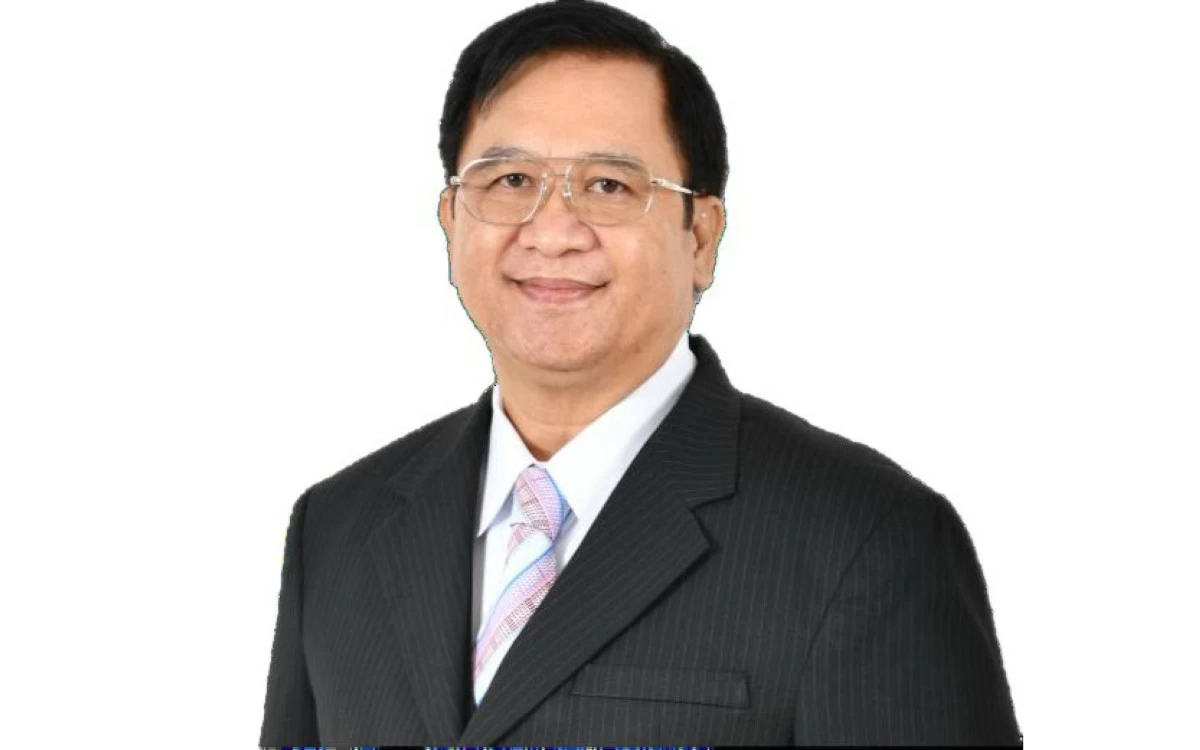
(Lt. Gen. Aurelio B. Baladad (Ret) served as the 8th commander of the Eastern Mindanao Command, the 32nd commander of the 3rd Infantry (Spearhead) Division, and the former deputy chief of staff for Operations, J3 of the AFP. He is now the VP for cooperative planning and marketing of PAFCPIC, a cooperative serving the active and retired AFP personnel.)