






Manila Bulletin
 Business
Trade & Industry
Grocery stores struggle as Filipino consumers cut back on spending
Business
Trade & Industry
Grocery stores struggle as Filipino consumers cut back on spending
Business
Trade & Industry
Grocery stores struggle as Filipino consumers cut back on spending
Grocery stores struggle as Filipino consumers cut back on spending
Published Mar 2, 2026 12:00 am
|
Updated Feb 28, 2026 05:22 pm


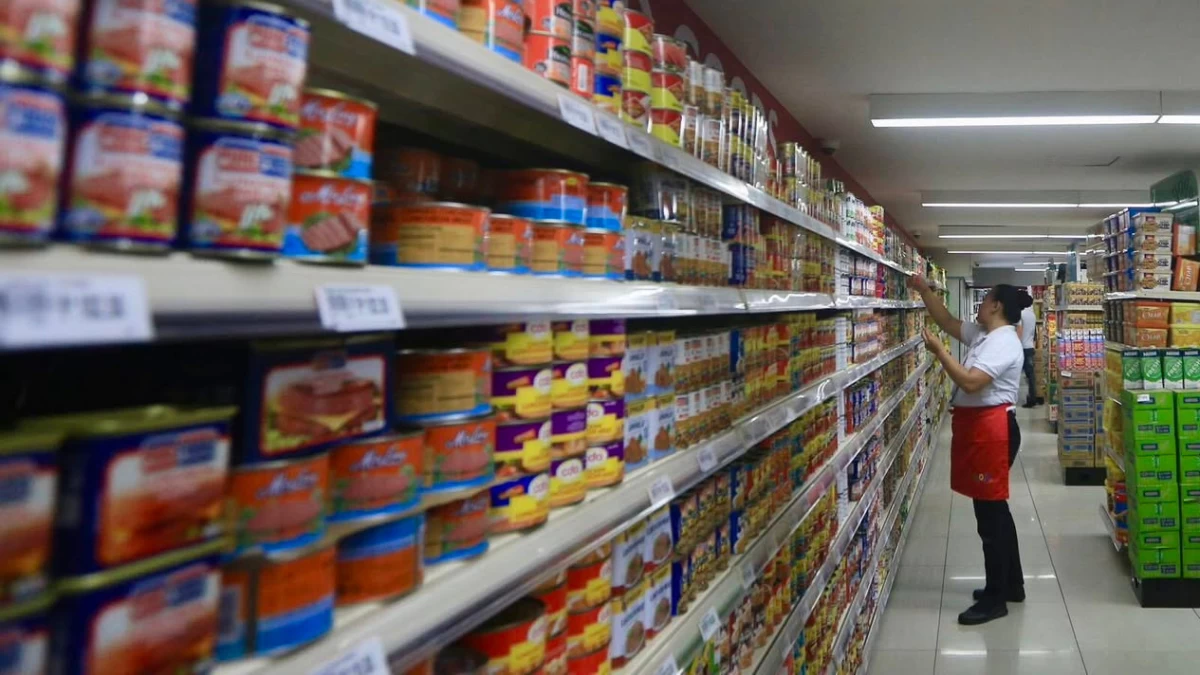
Consumer spending in supermarkets at the start of the year remains clouded by uncertainty, as the ongoing political noise and weaker economic growth are prompting Filipinos to spend their money elsewhere, according to the Philippine Amalgamated Supermarket Association Inc. (Pagasa).
Pagasa President Steven Cua said spending in the first quarter will unlikely to rebound from the worse-than-expected holiday period during the latter part of last year, which is typically the highest sales period of any given year.
Cua said members of the supermarket group are still “uncertain” whether sales will gain upward momentum as early as next month.
“The political sentiment is really hurting us. People say that's separate, but bloggers, TikTok, everything on social media, is killing us,” he said in a chance interview last week.
The country’s economic growth expanded by just three percent in the fourth quarter of 2025, the slowest since the pandemic, in the aftermath of the flood control scandal that stalled government spending.
According to the Bangko Sentral ng Pilipinas (BSP), the consumer confidence index worsened to -22.2 percent in the quarter, down from -9.8 percent in the previous three months.
While the corruption scandal continues to affect sentiment, Cua pointed out that consumer confidence is also being weighed down by an even more divisive political climate en route to the 2028 presidential elections.
To recall, Vice President Sara Duterte has announced that she intends to run for the country’s top post in the elections, a move that is seen to dictate the status of her impeachment case.
At the same time, the International Criminal Court (ICC) recently concluded the confirmation of charges against her father, former president Rodrigo Duterte, over alleged crimes against humanity, which is expected to cast a shadow over the country’s political landscape.
To encourage consumer spending, Cua said the country is badly in need of some much-needed “good news.”
“When Manny Pacquiao has a fight, there's no crime, right? What goes up? The sales of alcohol. People want to drink and watch. So those are feel-good things,” he explained.
While supermarkets are reeling from the impact of weaker spending, Cua said this is the opposite for hard discounters who are on an upswing as consumers are now more keen to buy cheaper goods.
Hard discounters Dali and O! Save offers a no-frills shopping experience, selling private-label goods at prices lower than branded counterparts.
“They keep opening, they have the capital. We don't have the capital to burn, that's why we are wait-and-see,” said Cua.
He noted that hard discounters could continue growing at a faster rate this year as household budgets tighten, especially amid increases in oil prices.
If oil and transportation costs continue to take up a larger share of consumers’ wallets, he said shoppers will likely turn to alternative stores such as hard discounters rather than traditional supermarkets.