







DOE targets 3.3GW of offshore wind in September auction
Published Mar 2, 2026 01:54 pm


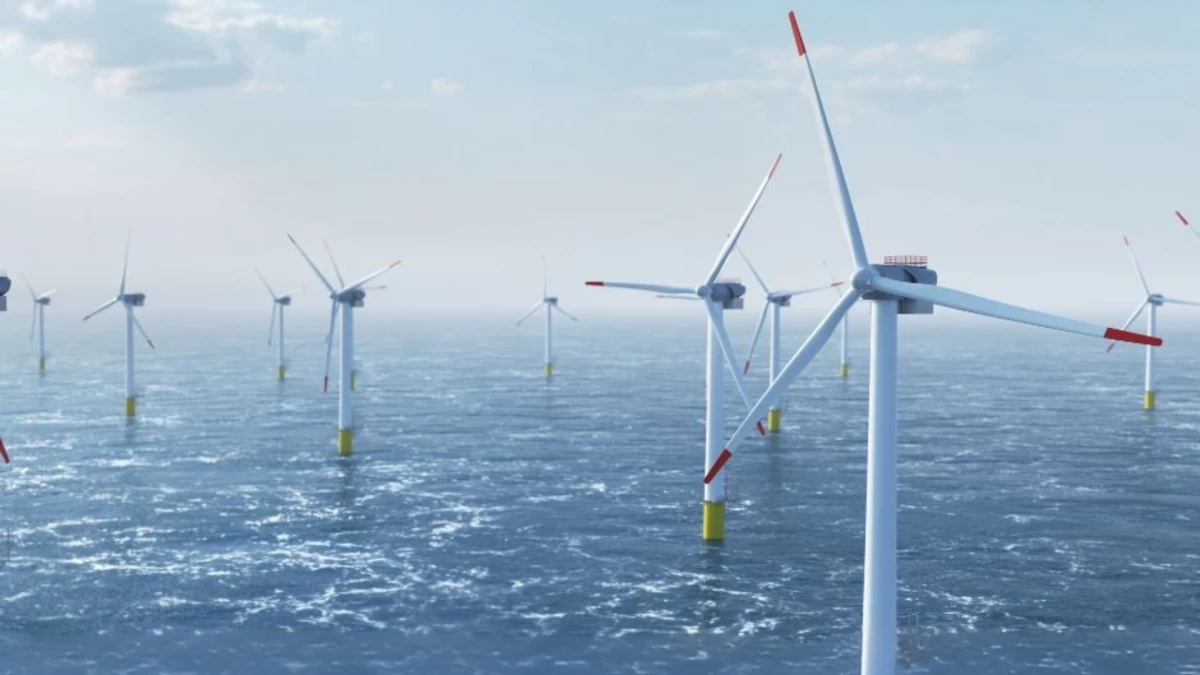
Department of Energy (DOE) photo
The Department of Energy (DOE) officially commenced the fifth round of its Green Energy Auction (GEA-5), marking a shift in the country’s renewable strategy by offering 3.3 gigawatts of fixed-bottom offshore wind capacity.
The agency opened registration for developers on Monday, Marcg 2, setting the timeline that concludes with the announcement of winning bidders on Sept. 22.
According to the DOE, the auction round focuses on large-scale offshore wind projects slated for commercial operation between 2028 and 2030.
Energy officials described the launch as a turnaround for the country’s sustainable energy landscape, aimed at simultaneously expanding capacity and reinforcing the national power grid.
The auction represents the first major test for the Philippines' offshore wind sector under Executive Order No. 21, which mandates a whole-of-government approach to streamline permitting and infrastructure development.
By centralizing the procurement process, the department aims to mobilize massive capital inflows while ensuring grid integration and supporting infrastructure are developed in tandem with the generation sites.
Prospective developers face a rigorous vetting process. The department will begin evaluating registered applicants on March 17, with a formal list of qualified bidders expected by July 3.
To address the high capital intensity of maritime energy projects, the Energy Regulatory Commission (ERC) recently adjusted the financial parameters for the round. Regulators set the Green Energy Auction Reserve price at a cap of ₱11 per kilowatt-hour, a notable increase from the initial benchmark of ₱10.3859 per kilowatt-hour.
This ceiling price is calculated using the levelized cost of electricity model, as mandated by the Electric Power Industry Reform Act. The upward revision reflects the evolving macroeconomic environment and the specific technical challenges associated with offshore installations.
While the auction was originally envisioned for an earlier rollout, the government deferred the exercise to address bottlenecks regarding port availability and the transmission network’s ability to absorb intermittent offshore loads.
By formalizing the auction now, the DOE signaled that it has reached a level of coordination with other agencies to mitigate these structural risks. Officials noted that the auction reinforces a commitment to a transparent procurement process that will define the country’s energy security for the next decade.