

ADVERTISEMENT

BSP easing cycle on thin ice as oil volatility threatens inflation targets

Published Mar 2, 2026 12:41 pm  |  Updated Mar 2, 2026 01:07 pm

At A Glance

  • With fuel pump prices expected to trigger a spike in headline inflation, the Bangko Sentral ng Pilipinas (BSP) is expected to defer further trimming the key borrowing costs to offset consumer price swings.
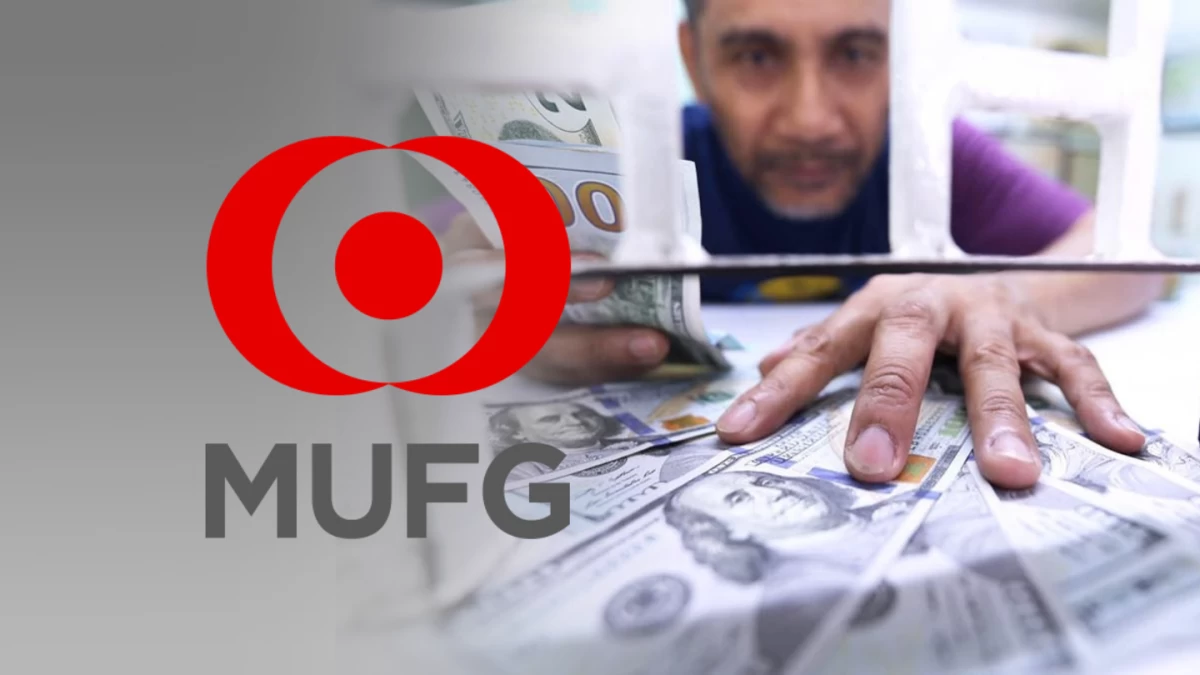
The Bangko Sentral ng Pilipinas (BSP) is expected to pause its monetary easing cycle as surging global crude prices threaten to reignite domestic inflation, potentially forcing policymakers to prioritize price stability over economic support.
Estimates by the Japanese financial giant MUFG Bank, Ltd. showed that mounting price risks stemming from the escalating exchange of attacks between the United States-backed (US) Israel and Iran continue to create explosions, threatening the closure of the Strait of Hormuz, a passage where 20 percent of the world’s oil supply passes through.
According to Michael Wan, MUFG senior currency analyst, overall consumer price hikes could accelerate by nearly one percentage point (ppt) further across Asian economies, including the Philippines, Thailand, Vietnam, and South Korea.
Wan enumerated these economies as they are the “most sensitive” to oil prices.
“Overall, oil prices closer to $90 per barrel could imply inflation rises closer to the top end of the central bank’s inflation target for the likes of the Philippines and Vietnam,” Wan noted. The BSP has set a target band of two to four percent, a range of price movements deemed manageable and conducive to economic growth.
According to Rizal Commercial Banking Corp. chief economist Michael Ricafort, Nymex crude oil rose $4.06 to $71.08 per barrel, briefly hitting $75.33 earlier — marking the highest levels in eight months since June 2025.
Recall that oil prices peaked at $78.40 per barrel last year amid US and Israel strikes on Iran’s nuclear targets.
Deutsche Bank AG has forecast domestic inflation to have settled at the lower end of the target band at 2.1 percent, modestly faster than January’s two percent. However, it said that “low base effects thereafter will likely bring inflation toward the upper half of that range.”
Reyes Tacandong & Co. Ravelas senior adviser Jonathan Ravelas said if this geopolitical tension keeps the dust in the air, fuel prices are “likely” to remain elevated, noting that a double-digit round of oil price hikes shifts the fleeting risk to a “sustained risk” status.
“That means higher transport and food costs in the coming weeks,” Ravelas said. “Expensive fuel acts like a tax on the economy—consumers spend less, businesses face higher costs, and sectors like transport, logistics, and manufacturing feel the squeeze.”
As such, the economist suggested households should manage their budgets carefully, and business enterprises should “brace for tighter margins and higher operating expenses if tensions persist.”
Still, this upside risk coming from oil prices could leave the door open for further monetary policy adjustments, as was the tone of BSP Governor Eli M. Remolona Jr. when the central bank decided to further lower the benchmark rate to 4.25 percent from 4.5 percent previously.
Recall that the latest policy reduction cited price pressures that remain manageable and an economy undershooting the BSP’s assumptions. Gross domestic product (GDP) growth slowed to 4.4 percent in 2025, pulled down by a sharp slowdown to a three-percent expansion in the fourth quarter.
Wan believes this could be a friction to the still-ongoing monetary policy easing, both regionally and domestically.
“We don’t think Asian central banks will hike rates just because of this risk, but it could delay rate cuts for the likes of the Philippines and Indonesia, and further reduce the probabilities of cuts for markets such as India and South Korea,” said Wan.
Moreover, the Philippine peso could also feel the impact of sustained price hikes, as its vulnerability lies in its link to oil imports. The drag on the peso will specifically stem from the current account deficit grappling to narrow.
Due to the looming surge in import costs, the deficit in the country’s current account, which measures the country’s net dollar earnings from trade in goods and services and income from overseas Filipino workers (OFWs), could still stand at up to three percent of GDP.
As of end-September 2025, the Philippine current account deficit narrowed by a single digit to $12.5 billion from $13.34 billion in the same period in 2024, driven by faster export expansion than imports.
This was 3.6 percent of the country’s output, narrower than four percent in the same period a year ago.
ADVERTISEMENT
.most-popular .layout-ratio{ padding-bottom: 79.13%; } @media (min-width: 768px) and (max-width: 1024px) { .widget-title { font-size: 15px !important; } }

{{ articles_filter_1561_widget.title }}

.most-popular .layout-ratio{ padding-bottom: 79.13%; } @media (min-width: 768px) and (max-width: 1024px) { .widget-title { font-size: 15px !important; } }

{{ articles_filter_1562_widget.title }}

.most-popular .layout-ratio{ padding-bottom: 79.13%; } @media (min-width: 768px) and (max-width: 1024px) { .widget-title { font-size: 15px !important; } }

{{ articles_filter_1563_widget.title }}

{{ articles_filter_1564_widget.title }}

.mb-article-details { position: relative; } .mb-article-details .article-body-preview, .mb-article-details .article-body-summary{ font-size: 17px; line-height: 30px; font-family: "Libre Caslon Text", serif; color: #000; } .mb-article-details .article-body-preview iframe , .mb-article-details .article-body-summary iframe{ width: 100%; margin: auto; } .read-more-background { background: linear-gradient(180deg, color(display-p3 1.000 1.000 1.000 / 0) 13.75%, color(display-p3 1.000 1.000 1.000 / 0.8) 30.79%, color(display-p3 1.000 1.000 1.000) 72.5%); position: absolute; height: 200px; width: 100%; bottom: 0; display: flex; justify-content: center; align-items: center; padding: 0; } .read-more-background a{ color: #000; } .read-more-btn { padding: 17px 45px; font-family: Inter; font-weight: 700; font-size: 18px; line-height: 16px; text-align: center; vertical-align: middle; border: 1px solid black; background-color: white; } .hidden { display: none; }
function initializeAllSwipers() { // Get all hidden inputs with cms_article_id document.querySelectorAll('[id^="cms_article_id_"]').forEach(function (input) { const cmsArticleId = input.value; const articleSelector = '#article-' + cmsArticleId + ' .body_images'; const swiperElement = document.querySelector(articleSelector); if (swiperElement && !swiperElement.classList.contains('swiper-initialized')) { new Swiper(articleSelector, { loop: true, pagination: false, navigation: { nextEl: '#article-' + cmsArticleId + ' .swiper-button-next', prevEl: '#article-' + cmsArticleId + ' .swiper-button-prev', }, }); } }); } setTimeout(initializeAllSwipers, 3000); const intersectionObserver = new IntersectionObserver( (entries) => { entries.forEach((entry) => { if (entry.isIntersecting) { const newUrl = entry.target.getAttribute("data-url"); if (newUrl) { history.pushState(null, null, newUrl); let article = entry.target; // Extract metadata const author = article.querySelector('.author-section').textContent.replace('By', '').trim(); const section = article.querySelector('.section-info ').textContent.replace(' ', ' '); const title = article.querySelector('.article-title h1').textContent; // Parse URL for Chartbeat path format const parsedUrl = new URL(newUrl, window.location.origin); const cleanUrl = parsedUrl.host + parsedUrl.pathname; // Update Chartbeat configuration if (typeof window._sf_async_config !== 'undefined') { window._sf_async_config.path = cleanUrl; window._sf_async_config.sections = section; window._sf_async_config.authors = author; } // Track virtual page view with Chartbeat if (typeof pSUPERFLY !== 'undefined' && typeof pSUPERFLY.virtualPage === 'function') { try { pSUPERFLY.virtualPage({ path: cleanUrl, title: title, sections: section, authors: author }); } catch (error) { console.error('ping error', error); } } // Optional: Update document title if (title && title !== document.title) { document.title = title; } } } }); }, { threshold: 0.1 } ); function showArticleBody(button) { const article = button.closest("article"); const summary = article.querySelector(".article-body-summary"); const body = article.querySelector(".article-body-preview"); const readMoreSection = article.querySelector(".read-more-background"); // Hide summary and read-more section summary.style.display = "none"; readMoreSection.style.display = "none"; // Show the full article body body.classList.remove("hidden"); } document.addEventListener("DOMContentLoaded", () => { let loadCount = 0; // Track how many times articles are loaded const offset = [1, 2, 3, 4, 5, 6, 7, 8, 9, 10]; // Offset values const currentUrl = window.location.pathname.substring(1); let isLoading = false; // Prevent multiple calls if (!currentUrl) { console.log("Current URL is invalid."); return; } const sentinel = document.getElementById("load-more-sentinel"); if (!sentinel) { console.log("Sentinel element not found."); return; } function isSentinelVisible() { const rect = sentinel.getBoundingClientRect(); return ( rect.top < window.innerHeight && rect.bottom >= 0 ); } function onScroll() { if (isLoading) return; if (isSentinelVisible()) { if (loadCount >= offset.length) { console.log("Maximum load attempts reached."); window.removeEventListener("scroll", onScroll); return; } isLoading = true; const currentOffset = offset[loadCount]; window.loadMoreItems().then(() => { let article = document.querySelector('#widget_1690 > div:nth-last-of-type(2) article'); intersectionObserver.observe(article) loadCount++; }).catch(error => { console.error("Error loading more items:", error); }).finally(() => { isLoading = false; }); } } window.addEventListener("scroll", onScroll); });

Sign up by email to receive news.