ADVERTISEMENT

A student reflection on the way history is taught on classrooms

The unsung heroes of our nation

Published Mar 2, 2026 01:46 pm
THE BEAUTY OF YESTERDAYS
The author rediscovers her love for history, deepening her understanding of the past through visits to heritage sites and storied places.
THE BEAUTY OF YESTERDAYS The author rediscovers her love for history, deepening her understanding of the past through visits to heritage sites and storied places.
By Aeisha Shaina Marie C. Salvador, 21
First-year AB Mass Communication
AMA University – Online Education
History bores most students and I used to be one of them. I know how it feels to memorize this and that, like who was born when and what happened where. It often felt like we were expected to treat history as a checklist of facts. But something changed.
During my second year at the National Teachers College (NTC), we had a subject called Readings in Philippine History. I consider it my most favorite, thanks to my former professor, Sir Yson. Before this class, history did not really excite me, which is odd for a social studies student because aside from the usual reminder that “we study history so we don’t repeat the past,” I did not see what else there was to look forward to. It felt distant, important, yes, but disconnected from my life. That changed when Sir Yson taught us that history does not really repeat itself but it is the very people who allow harmful systems to thrive, who overlook injustice, who stay silent when it matters most. That cycle is not about the past coming back, it is about us not learning enough from those who came before.
I then began to understand how we underestimate the work of local historians, often seen as only preserving records, but in truth they are the unsung heroes we have always needed as a guiding path in shaping national identity.
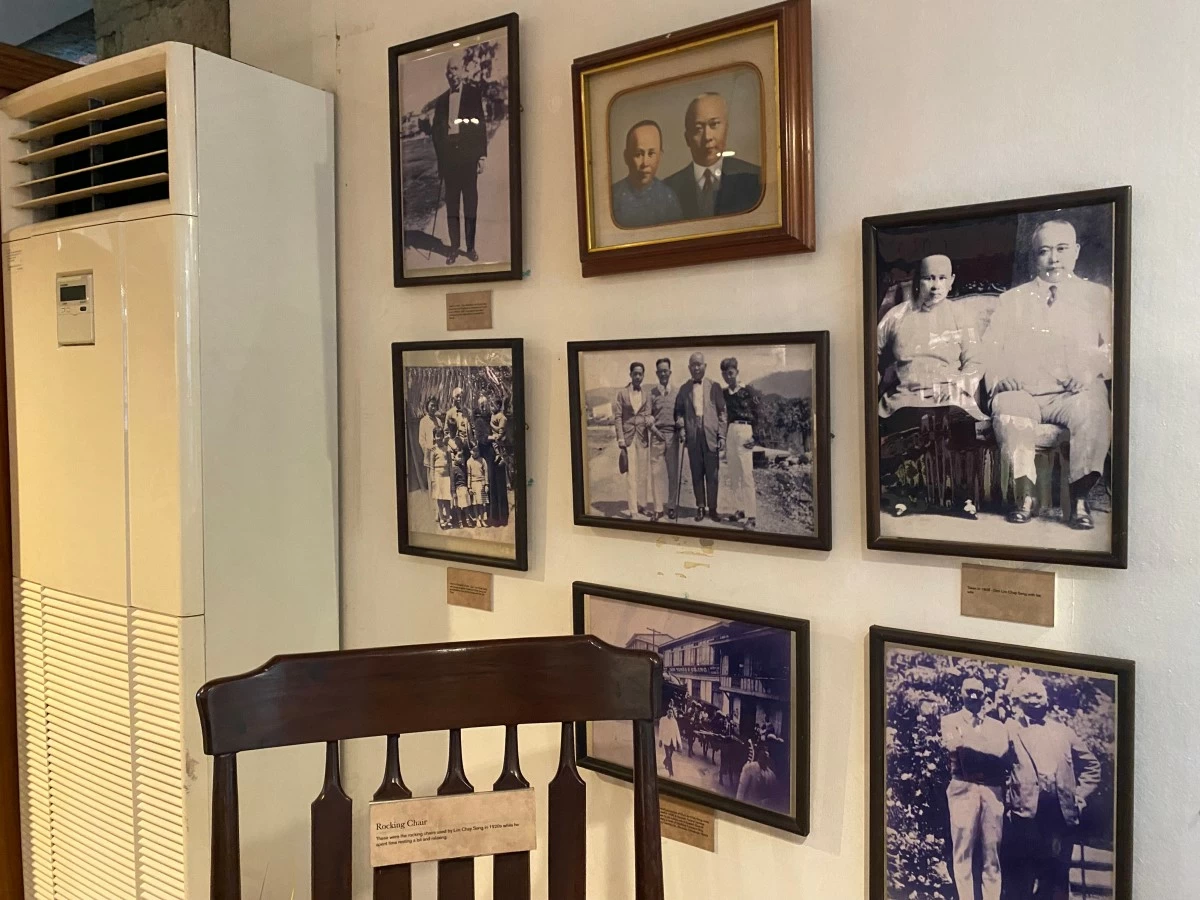
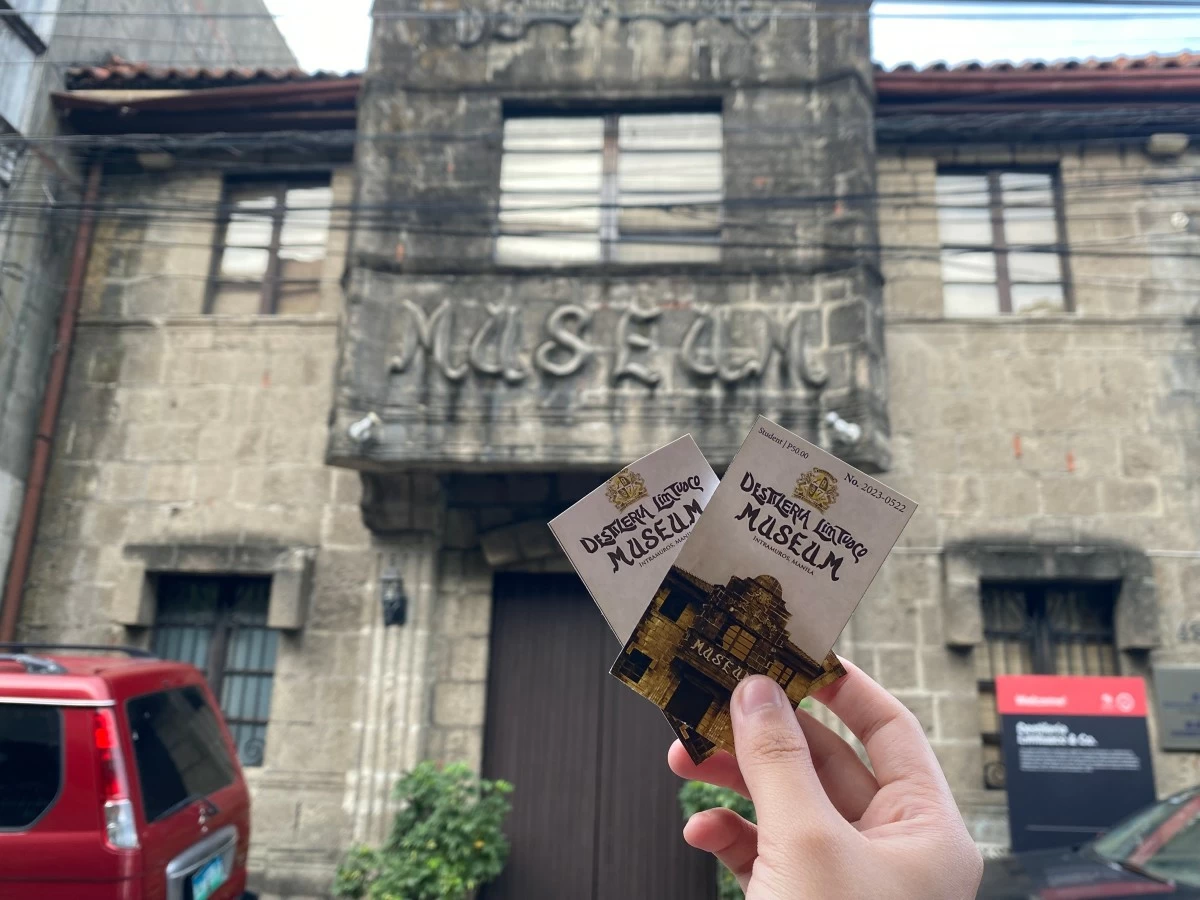
The author visits and explores museums
My love for history grew alongside my admiration for historians like Sir Xiao Chua and Dr. Ambeth Ocampo, whose works made history feel less like a subject and more like a shared inheritance we carry and owe it to ourselves to understand.
Sir Chua, through his It’s XiaoTime segment, brings so much heart into the way he shares stories about our past. Dr. Ocampo also has a gift for humanizing our historical figures as people who loved, failed, laughed, and feared just like us. I rewatched the pilot episode of Dr. Ocampo’s podcast on YouTube where he emphasized that in an age where information is everywhere, it is hard to know which ones are reliable, which makes the work of academic historians even more necessary.
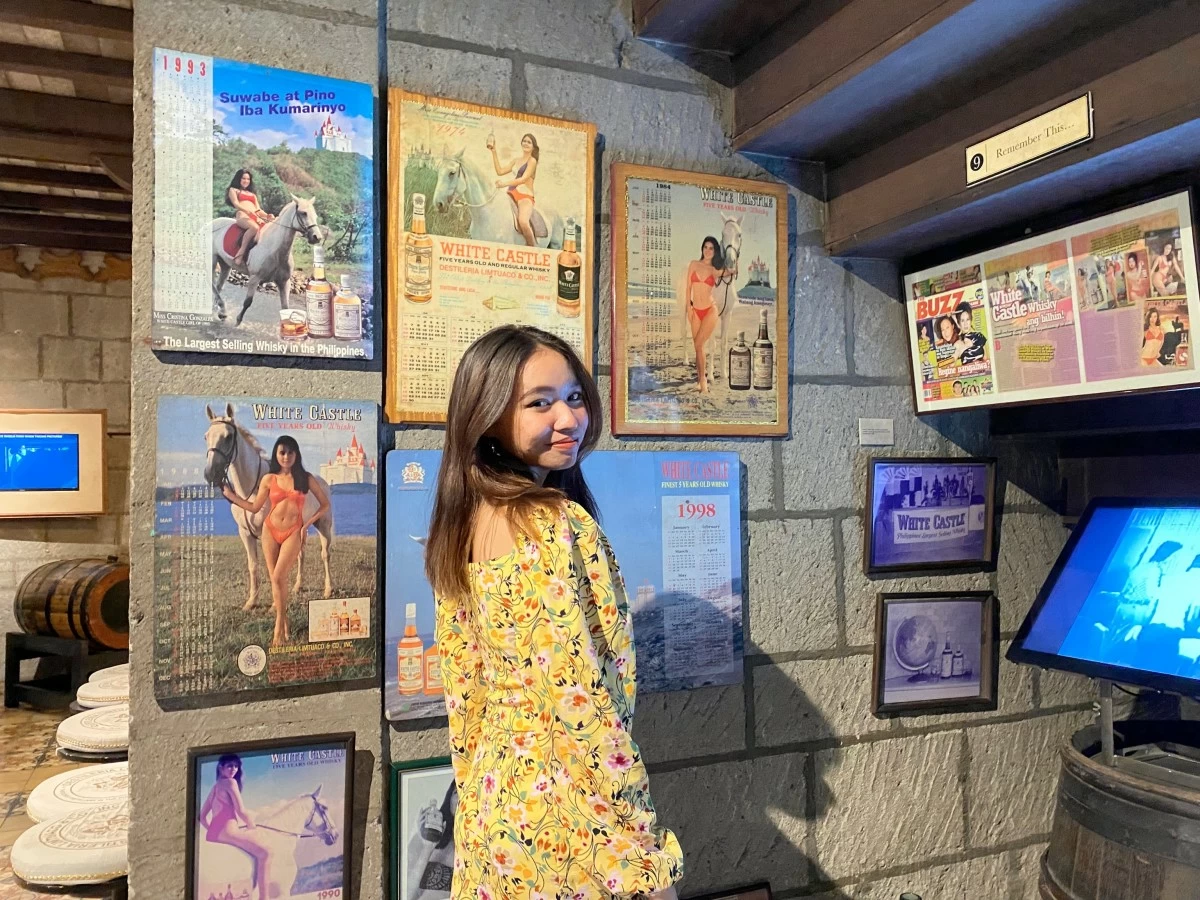
Aeisha Shaina Marie C. Salvador
Looking back, one of the biggest lessons I learned as a student is that history has never been boring, only the way it is often taught makes it feel that way. What excites me most is knowing these lessons do not have to stay buried in books or locked in schools. When history is shared with curiosity and real connection, whether in classrooms, social media, podcasts, or public lectures, it becomes a tool for growth and a way to shape a more thoughtful and responsible society. That is why I believe historians deserve more recognition. They are not just quiet scholars working in the background; they preserve the past, educate the present, and prepare us for a better future. Their work is as essential as that of any nation-builder.
Aeisha is a part-time tutor who has been teaching for three years to support her college education. Formerly a student at The National Teachers College, she is now a first-year AB Mass Communication student at AMA University – Online Education. Her love for writing began at age nine when she joined a competition for fun, later growing through journalism competitions in her elementary school.
Now 21, she occasionally enjoys theater shows and shares life reflections on her Substack platform. She believes each story we tell has lessons to impart, and sees both teaching children and writing as gifts born out of love.
“Voices” is Manila Bulletin Lifestyle’s dedicated space for young writers and future journalists to speak up about the topics that matter to their generation—from pop culture and social trends to education, and everything in between.
We welcome article submissions from youth writers up to 25 years old, with each piece limited to 500 words. To submit, send your article to [email protected] the subject line: Voices: (Article Title), or send us a DM at @manilabulletinlifestyle on Instagram.
Don’t forget to include a short bio with your age, school, course, hobbies, and any other details you’d like readers to know. We can’t wait to read your stories.

Related Tags

Youth Voices
ADVERTISEMENT
.most-popular .layout-ratio{ padding-bottom: 79.13%; } @media (min-width: 768px) and (max-width: 1024px) { .widget-title { font-size: 15px !important; } }

{{ articles_filter_1561_widget.title }}

.most-popular .layout-ratio{ padding-bottom: 79.13%; } @media (min-width: 768px) and (max-width: 1024px) { .widget-title { font-size: 15px !important; } }

{{ articles_filter_1562_widget.title }}

.most-popular .layout-ratio{ padding-bottom: 79.13%; } @media (min-width: 768px) and (max-width: 1024px) { .widget-title { font-size: 15px !important; } }

{{ articles_filter_1563_widget.title }}

{{ articles_filter_1564_widget.title }}

.mb-article-details { position: relative; } .mb-article-details .article-body-preview, .mb-article-details .article-body-summary{ font-size: 17px; line-height: 30px; font-family: "Libre Caslon Text", serif; color: #000; } .mb-article-details .article-body-preview iframe , .mb-article-details .article-body-summary iframe{ width: 100%; margin: auto; } .read-more-background { background: linear-gradient(180deg, color(display-p3 1.000 1.000 1.000 / 0) 13.75%, color(display-p3 1.000 1.000 1.000 / 0.8) 30.79%, color(display-p3 1.000 1.000 1.000) 72.5%); position: absolute; height: 200px; width: 100%; bottom: 0; display: flex; justify-content: center; align-items: center; padding: 0; } .read-more-background a{ color: #000; } .read-more-btn { padding: 17px 45px; font-family: Inter; font-weight: 700; font-size: 18px; line-height: 16px; text-align: center; vertical-align: middle; border: 1px solid black; background-color: white; } .hidden { display: none; }
function initializeAllSwipers() { // Get all hidden inputs with cms_article_id document.querySelectorAll('[id^="cms_article_id_"]').forEach(function (input) { const cmsArticleId = input.value; const articleSelector = '#article-' + cmsArticleId + ' .body_images'; const swiperElement = document.querySelector(articleSelector); if (swiperElement && !swiperElement.classList.contains('swiper-initialized')) { new Swiper(articleSelector, { loop: true, pagination: false, navigation: { nextEl: '#article-' + cmsArticleId + ' .swiper-button-next', prevEl: '#article-' + cmsArticleId + ' .swiper-button-prev', }, }); } }); } setTimeout(initializeAllSwipers, 3000); const intersectionObserver = new IntersectionObserver( (entries) => { entries.forEach((entry) => { if (entry.isIntersecting) { const newUrl = entry.target.getAttribute("data-url"); if (newUrl) { history.pushState(null, null, newUrl); let article = entry.target; // Extract metadata const author = article.querySelector('.author-section').textContent.replace('By', '').trim(); const section = article.querySelector('.section-info ').textContent.replace(' ', ' '); const title = article.querySelector('.article-title h1').textContent; // Parse URL for Chartbeat path format const parsedUrl = new URL(newUrl, window.location.origin); const cleanUrl = parsedUrl.host + parsedUrl.pathname; // Update Chartbeat configuration if (typeof window._sf_async_config !== 'undefined') { window._sf_async_config.path = cleanUrl; window._sf_async_config.sections = section; window._sf_async_config.authors = author; } // Track virtual page view with Chartbeat if (typeof pSUPERFLY !== 'undefined' && typeof pSUPERFLY.virtualPage === 'function') { try { pSUPERFLY.virtualPage({ path: cleanUrl, title: title, sections: section, authors: author }); } catch (error) { console.error('ping error', error); } } // Optional: Update document title if (title && title !== document.title) { document.title = title; } } } }); }, { threshold: 0.1 } ); function showArticleBody(button) { const article = button.closest("article"); const summary = article.querySelector(".article-body-summary"); const body = article.querySelector(".article-body-preview"); const readMoreSection = article.querySelector(".read-more-background"); // Hide summary and read-more section summary.style.display = "none"; readMoreSection.style.display = "none"; // Show the full article body body.classList.remove("hidden"); } document.addEventListener("DOMContentLoaded", () => { let loadCount = 0; // Track how many times articles are loaded const offset = [1, 2, 3, 4, 5, 6, 7, 8, 9, 10]; // Offset values const currentUrl = window.location.pathname.substring(1); let isLoading = false; // Prevent multiple calls if (!currentUrl) { console.log("Current URL is invalid."); return; } const sentinel = document.getElementById("load-more-sentinel"); if (!sentinel) { console.log("Sentinel element not found."); return; } function isSentinelVisible() { const rect = sentinel.getBoundingClientRect(); return ( rect.top < window.innerHeight && rect.bottom >= 0 ); } function onScroll() { if (isLoading) return; if (isSentinelVisible()) { if (loadCount >= offset.length) { console.log("Maximum load attempts reached."); window.removeEventListener("scroll", onScroll); return; } isLoading = true; const currentOffset = offset[loadCount]; window.loadMoreItems().then(() => { let article = document.querySelector('#widget_1690 > div:nth-last-of-type(2) article'); intersectionObserver.observe(article) loadCount++; }).catch(error => { console.error("Error loading more items:", error); }).finally(() => { isLoading = false; }); } } window.addEventListener("scroll", onScroll); });

Sign up by email to receive news.