







From conflict to lifelines of hope: Reimagining the RP-ROK partnership
Published Mar 1, 2026 12:05 am
|
Updated Feb 28, 2026 04:42 pm


As we prepare for the historic State Visit of President Lee Jae Myung on March 3 to 4, during the Philippines’ Chairship of ASEAN, we are not merely preparing for ceremonies. We are being called to remember a bond forged in the crucible of conflict and sustained by shared sacrifice.
The Philippines and the Republic of Korea did not meet in comfort. We met in sacrifice, when nearly 7,500 Filipino soldiers of the Philippine Expeditionary Force to Korea (PEFTOK) shed blood during the Korean War because freedom demanded it. That shared history is etched into the land itself: in Yeoncheon, Gyeonggi, stands a Korean War monument honoring the Philippine Armed Forces and PEFTOK. The Philippine Red Cross was there then, supporting those who fought, and Korea has never forgotten that sacrifice. Today, that bond has matured into a robust partnership- one defined by action, discipline, and enduring mutual respect.
Partnership of action and logistics
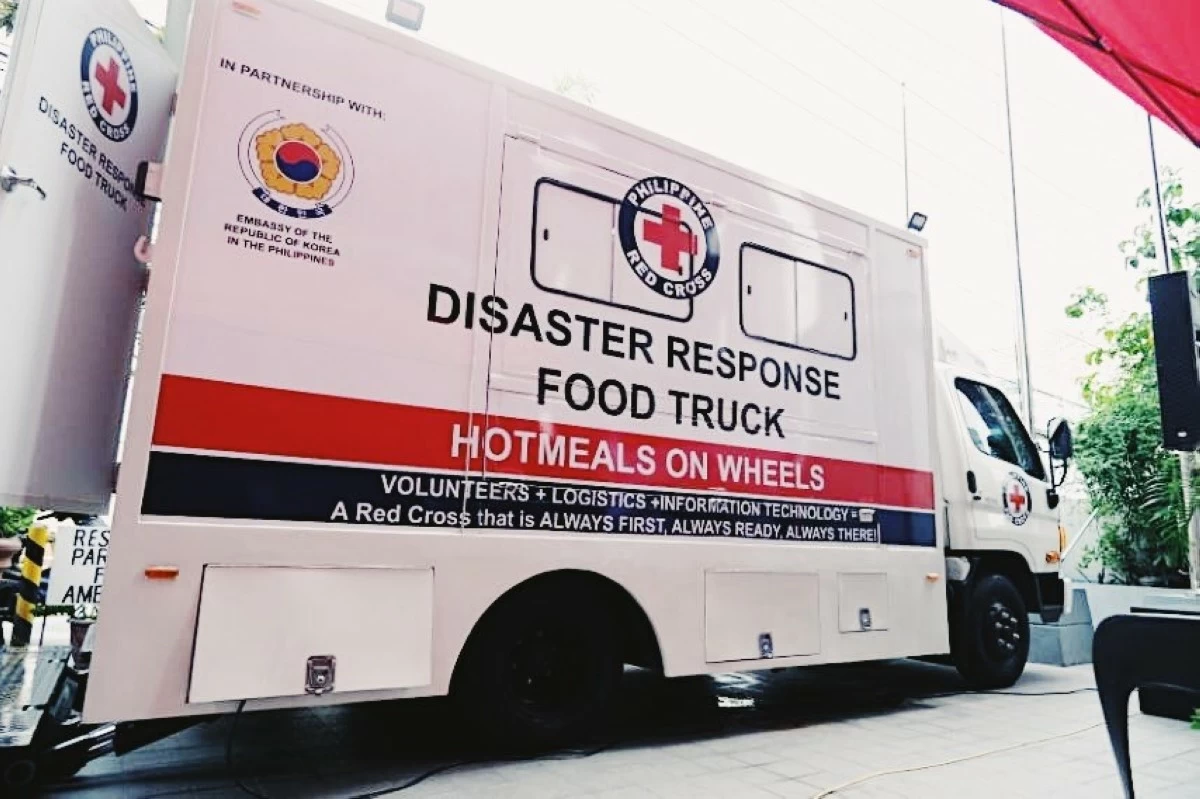
In PRC, we believe that the equation “Volunteers + Logistics + Information Technology” allows us to be “Always First, Always Ready, and Always There.” Our partnership with the Republic of Korea is a testament to this formula. The Korean Red Cross and the Korean government have been indispensable in helping us build our capacity to serve the most vulnerable. From helping us acquire land for warehouses and blood banks to providing the heavy machinery required for modern disaster response, the Republic of Korea has been a steady hand.
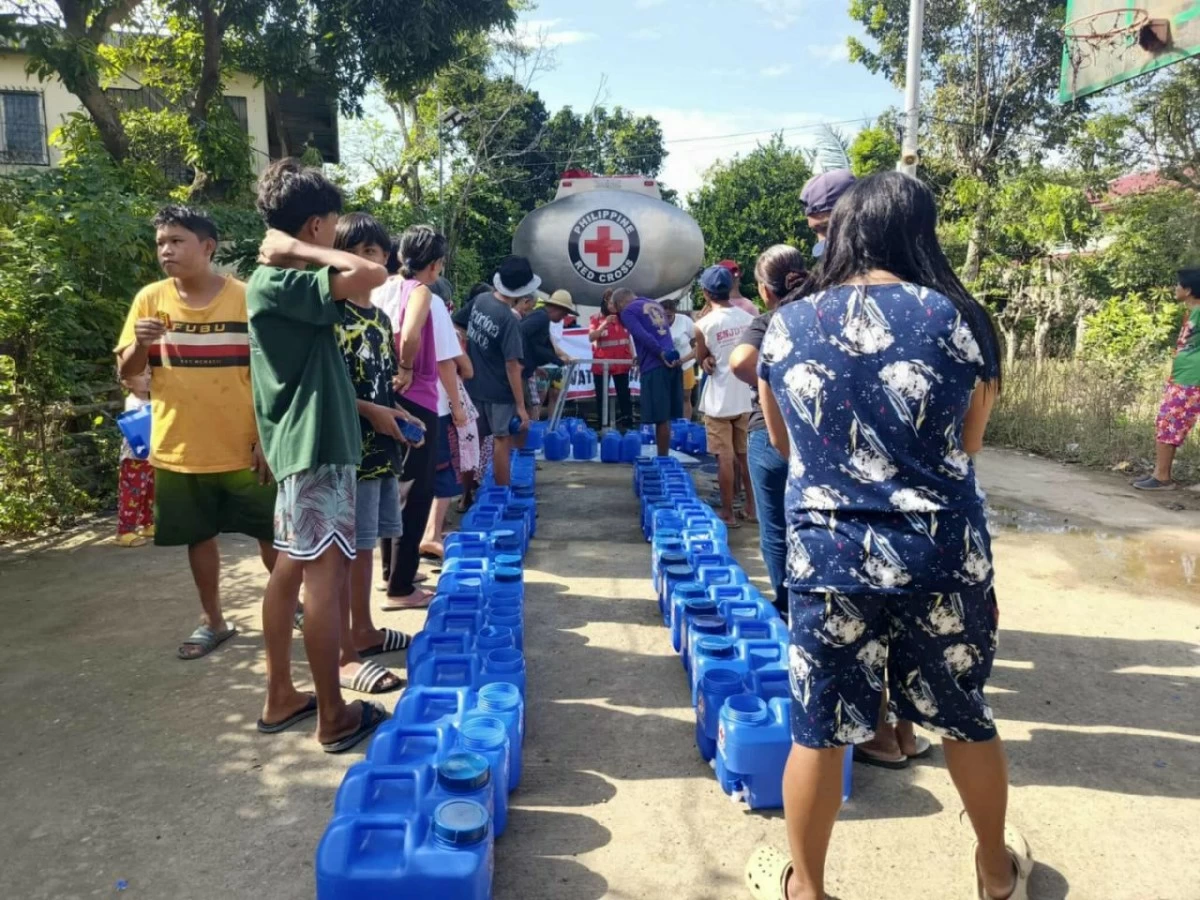
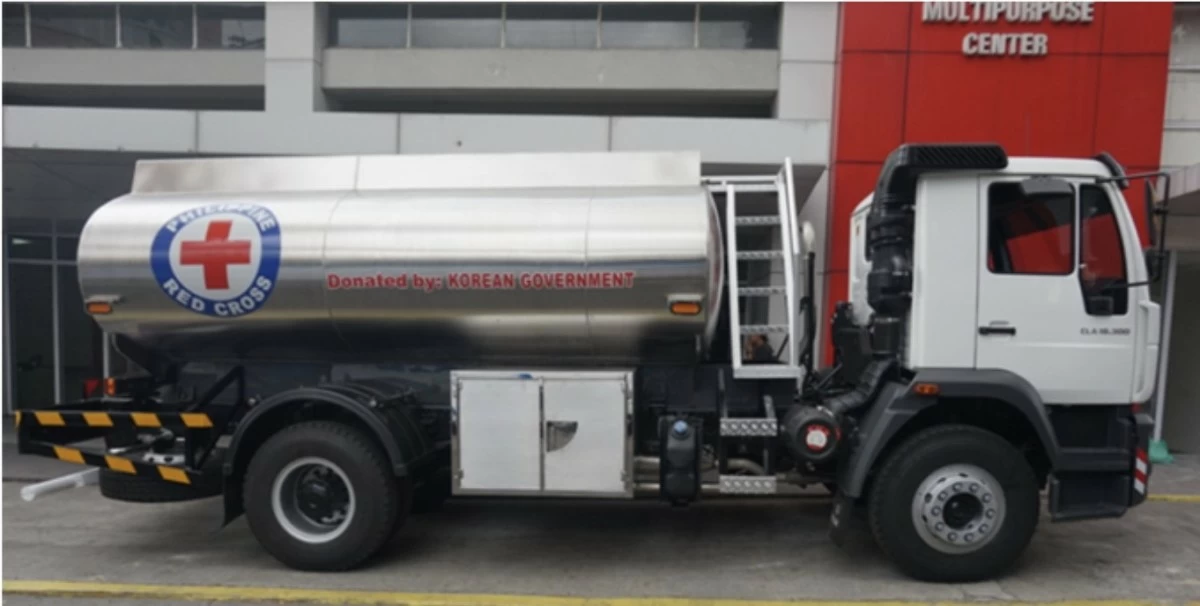
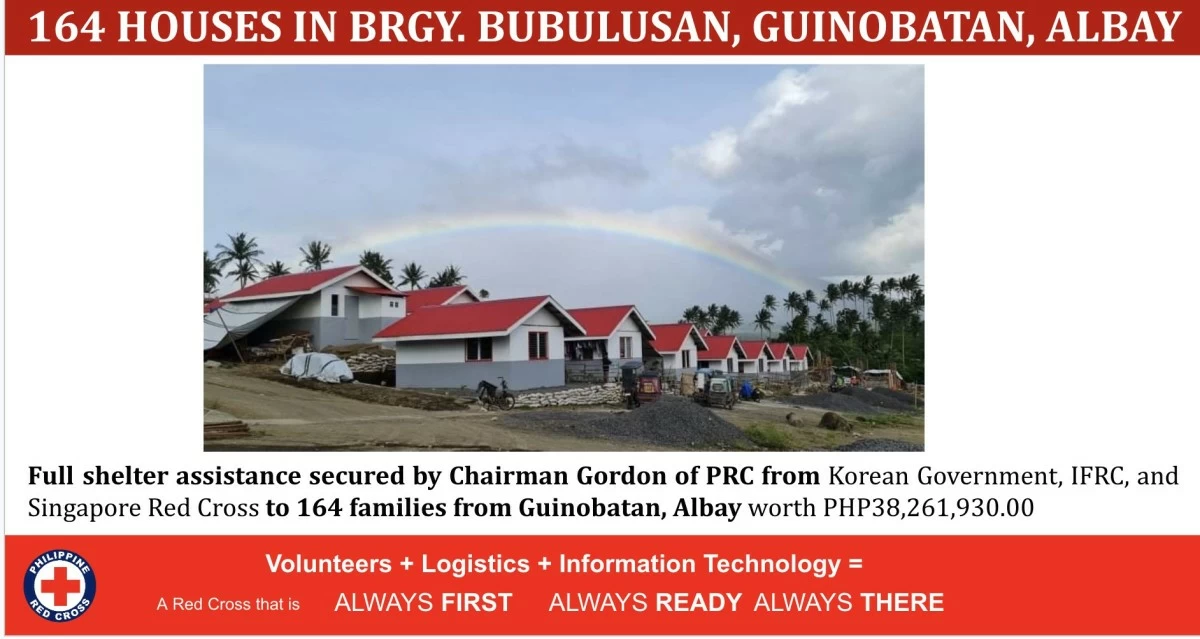
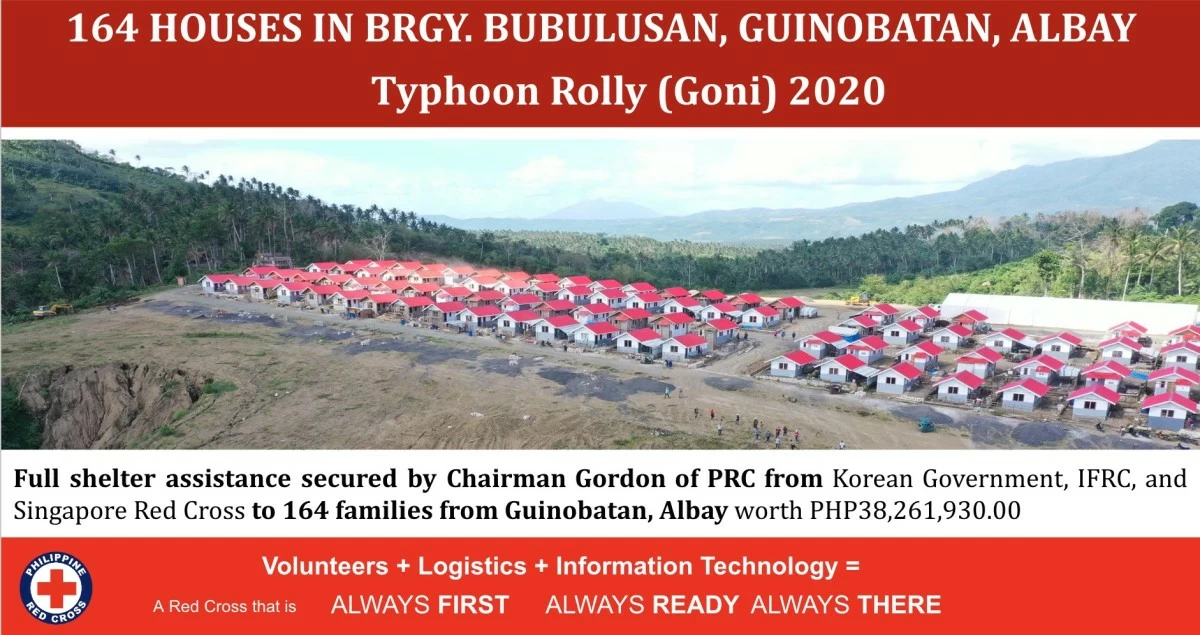
The support has been most visible where the need was greatest. I recall the unwavering support of former Ambassador Han Dong-man, whose efforts helped us secure vital assets like ambulances and water tankers. These are not just vehicles; they are lifelines. Whether responding to the Marawi Crisis in 2017, the Mayon Volcano eruption, or the devastation of Typhoons Rolly/Goni in October 2020 and Ulysses/Vamco in November 2020, Korean-donated tankers and Hanjin ambulances have been on the front lines. In Marawi specifically, Korean assistance enabled the deployment of portable toilets in evacuation centers, an intervention that protected the health and dignity of displaced families. In 2025 alone, when Typhoons Tino and Uwan battered our islands, Korea’s $1 million commitment was immediately converted into food trucks and water tankers for families who had lost everything.
Building resilience
Resilience is not about waiting for the next disaster; it is about preparation. The PRC has a massive footprint in recovery, having built over 174,000 houses for disaster victims across the country. In Bohol and beyond, we have seen how housing provides more than just shelter— it restores dignity. We are ready to bring this experience to our collaboration with the Republic of Korea to ensure speedy recovery for those hit by the frequent typhoons that define our geography.
During the Mayon Volcano eruption response in Albay, beyond providing emergency equipment, the partnership enabled the construction of sanitation and handwashing facilities in public schools, the provision of 1,450 school kits to children, and the conduct of Basic Water, Sanitation, and Hygiene (WASH) for Emergency Response training for local responders. During Typhoon Ompong in September 2018, Korean support reached thousands through health promotion and livelihood assistance for families in Isabela. Whether it was supporting 404 families during the Taal eruption or helping entrepreneurs rebuild in the wake of the Mindanao earthquake, this cooperation is truly transformative.
Our collaboration has also extended into social development and training. We broke ground on the Passi City Logistics and Training Center on a site of more than one and a half hectares, a project bolstered by the presence of the Korean Red Cross. We have integrated Korean technology, such as Doosan payloaders, to clear landslides and reach isolated communities faster than ever before.
Strategic integration for the future
Looking ahead, the Philippines remains one of the most disaster-prone nations in the world. We must move beyond the age-old psychology of dependency and run toward a transformative partnership. Under our ASEAN chairship, I envision a Regional Disaster Response and Resilience Center supported by Korean AI and satellite technology. We are expanding our logistics capability, adding to our fleet of 15 drones, and utilizing Starlink and digital safeguards to ensure every peso of aid translates into a life touched.
There is much we can learn from Korea’s success, that is, a journey built on discipline, education, and technological mastery. We want to enhance our cooperation protocol further, specifically seeking to acquire more Korean-made trucks, payloaders, and ambulances to fortify our humanitarian arteries.
The State Visit of President Lee is an opportunity to choose wisely, to commit to systems that outlive administrations, and ensure our economic corridors double as lifelines in times of disaster. We have shown solidarity in war and peace; now, we must claim the future together through integrity, technology, and compassion. We are ready to work with the Korean team to ensure that when the next storm comes, we are not just surviving– we are leading with integrity, technology, and compassion.