

ADVERTISEMENT

Senate bill seeks better pay, benefits for gov't ICT workers

Published Feb 28, 2026 11:37 am

At A Glance

  • Senator Joel Villanueva is pushing for the passage of the proposed Magna Carta for Information and Communications Technology (ICT) Professionals in government, a measure designed to enhance compensation, protect workers' rights, and promote career development in one of the country's fastest-growing sectors.
Senator Joel Villanueva is pushing for the passage of the proposed Magna Carta for Information and Communications Technology (ICT) Professionals in government, a measure designed to enhance compensation, protect workers’ rights, and promote career development in one of the country’s fastest-growing sectors.
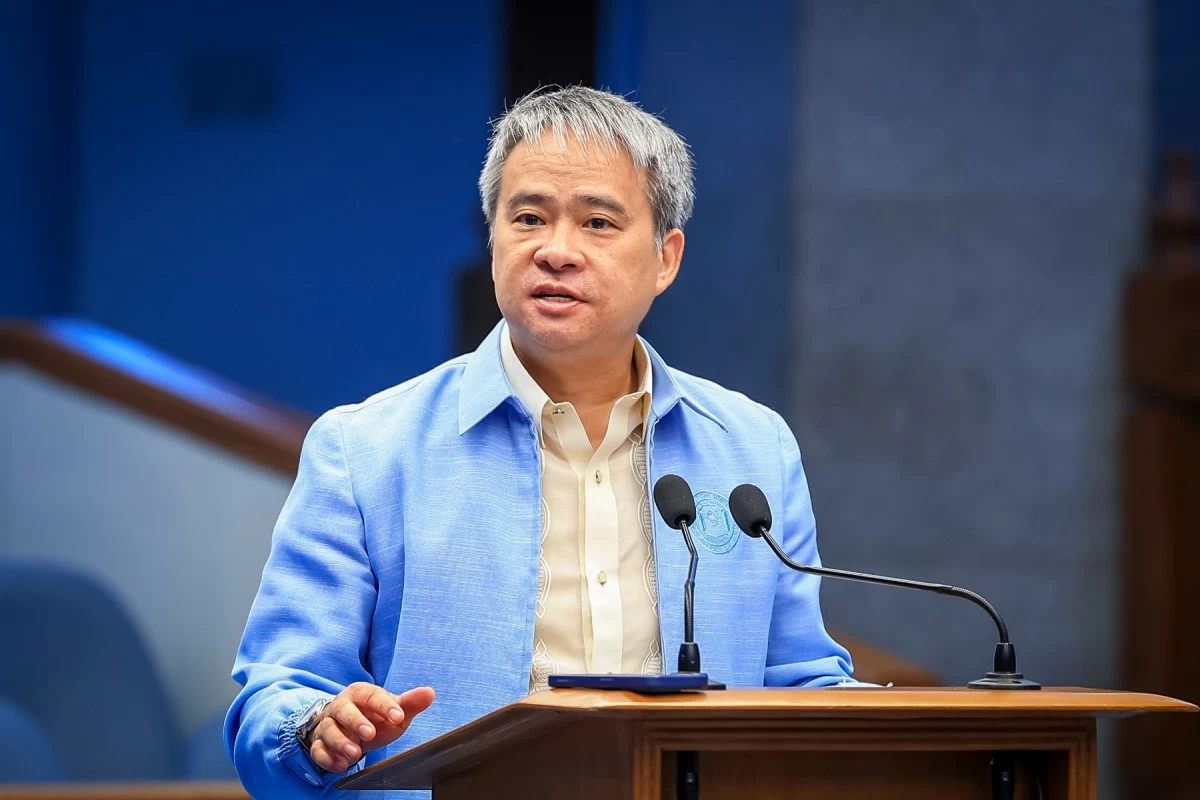
Senator Joel Villanueva (Senate PRIB photo)
Filed as Senate Bill (SB) No. 1914 by Villanueva, the proposed measure seeks to establish a competitive compensation framework for ICT personnel in government, including minimum pay standards and the exemption of critical ICT positions from existing salary grade limitations.
Villanueva emphasized the urgent need to address the persistent “brain drain” in the public sector, as skilled ICT workers continue to be drawn away by higher-paying opportunities in the private sector and overseas.
“This measure is not just about improving salaries, it is about institutionalizing long-term support systems that will build a resilient, highly-skilled, and motivated workforce within government,” he said.
“Quality ICT professionals in government will drive national progress and ensure that our Bagong Pilipinas is one that is also a Bayang Digital,” he added.
He further noted that industry data consistently highlight the pivotal role of the ICT sector in advancing digital governance, financial technology, artificial intelligence, and e-commerce.
Citing data from the Philippine Statistics Authority (PSA), Villanueva said the digital economy accounted for 8.5 percent of the country’s gross domestic product in 2024 and provided employment to 11.3 million Filipinos, underscoring the sector’s growing contribution to national development.
Despite these gains, he pointed out that the Philippines ranked only 57th out of 112 countries in the Digital Quality of Life Index, placing the nation below the global average in areas such as internet affordability and quality, digital infrastructure, cybersecurity, and artificial intelligence readiness.
“These indicators should serve as a wake-up call to strengthen and retain competitive ICT professionals in the country,” he said.
Data from the Department of Information and Communications Technology (DICT) show that about 80 percent of Filipino computer professionals are employed abroad or in the private sector, largely due to significant wage disparities.
While ICT professionals in the private sector or overseas can earn P200,000 or more per month, those working in government receive an average monthly salary of only around P50,000.
Under the proposed measure, a specialized compensation framework will be implemented for ICT roles, exempting them from standard salary grades, subject to the approval of the Civil Service Commission (CSC) and the Department of Budget and Management (DBM), and in accordance with existing laws.
The bill also provides ICT professionals with overtime pay, leave privileges, and other statutory benefits, including full coverage under the Government Service Insurance System (GSIS) and access to other social protection programs.
Additional provisions include affordable housing options, transportation assistance, and psychological support services, as well as the creation of ICT Scholarship and Grant Programs to ensure continuous skills development.
“Behind every functioning government website, digital ID system, online tax portal, and cybersecurity defense are skilled ICT workers whose expertise keeps public services running,” Villanueva said.
“Our digital transformation cannot succeed without digital talent. The message is clear: we need tech experts in government,” he added.

Related Tags

Joel Villanueva Magna Carta for Information and Communications Technology Information and Communications Technology
ADVERTISEMENT
.most-popular .layout-ratio{ padding-bottom: 79.13%; } @media (min-width: 768px) and (max-width: 1024px) { .widget-title { font-size: 15px !important; } }

{{ articles_filter_1561_widget.title }}

.most-popular .layout-ratio{ padding-bottom: 79.13%; } @media (min-width: 768px) and (max-width: 1024px) { .widget-title { font-size: 15px !important; } }

{{ articles_filter_1562_widget.title }}

.most-popular .layout-ratio{ padding-bottom: 79.13%; } @media (min-width: 768px) and (max-width: 1024px) { .widget-title { font-size: 15px !important; } }

{{ articles_filter_1563_widget.title }}

{{ articles_filter_1564_widget.title }}

.mb-article-details { position: relative; } .mb-article-details .article-body-preview, .mb-article-details .article-body-summary{ font-size: 17px; line-height: 30px; font-family: "Libre Caslon Text", serif; color: #000; } .mb-article-details .article-body-preview iframe , .mb-article-details .article-body-summary iframe{ width: 100%; margin: auto; } .read-more-background { background: linear-gradient(180deg, color(display-p3 1.000 1.000 1.000 / 0) 13.75%, color(display-p3 1.000 1.000 1.000 / 0.8) 30.79%, color(display-p3 1.000 1.000 1.000) 72.5%); position: absolute; height: 200px; width: 100%; bottom: 0; display: flex; justify-content: center; align-items: center; padding: 0; } .read-more-background a{ color: #000; } .read-more-btn { padding: 17px 45px; font-family: Inter; font-weight: 700; font-size: 18px; line-height: 16px; text-align: center; vertical-align: middle; border: 1px solid black; background-color: white; } .hidden { display: none; }
function initializeAllSwipers() { // Get all hidden inputs with cms_article_id document.querySelectorAll('[id^="cms_article_id_"]').forEach(function (input) { const cmsArticleId = input.value; const articleSelector = '#article-' + cmsArticleId + ' .body_images'; const swiperElement = document.querySelector(articleSelector); if (swiperElement && !swiperElement.classList.contains('swiper-initialized')) { new Swiper(articleSelector, { loop: true, pagination: false, navigation: { nextEl: '#article-' + cmsArticleId + ' .swiper-button-next', prevEl: '#article-' + cmsArticleId + ' .swiper-button-prev', }, }); } }); } setTimeout(initializeAllSwipers, 3000); const intersectionObserver = new IntersectionObserver( (entries) => { entries.forEach((entry) => { if (entry.isIntersecting) { const newUrl = entry.target.getAttribute("data-url"); if (newUrl) { history.pushState(null, null, newUrl); let article = entry.target; // Extract metadata const author = article.querySelector('.author-section').textContent.replace('By', '').trim(); const section = article.querySelector('.section-info ').textContent.replace(' ', ' '); const title = article.querySelector('.article-title h1').textContent; // Parse URL for Chartbeat path format const parsedUrl = new URL(newUrl, window.location.origin); const cleanUrl = parsedUrl.host + parsedUrl.pathname; // Update Chartbeat configuration if (typeof window._sf_async_config !== 'undefined') { window._sf_async_config.path = cleanUrl; window._sf_async_config.sections = section; window._sf_async_config.authors = author; } // Track virtual page view with Chartbeat if (typeof pSUPERFLY !== 'undefined' && typeof pSUPERFLY.virtualPage === 'function') { try { pSUPERFLY.virtualPage({ path: cleanUrl, title: title, sections: section, authors: author }); } catch (error) { console.error('ping error', error); } } // Optional: Update document title if (title && title !== document.title) { document.title = title; } } } }); }, { threshold: 0.1 } ); function showArticleBody(button) { const article = button.closest("article"); const summary = article.querySelector(".article-body-summary"); const body = article.querySelector(".article-body-preview"); const readMoreSection = article.querySelector(".read-more-background"); // Hide summary and read-more section summary.style.display = "none"; readMoreSection.style.display = "none"; // Show the full article body body.classList.remove("hidden"); } document.addEventListener("DOMContentLoaded", () => { let loadCount = 0; // Track how many times articles are loaded const offset = [1, 2, 3, 4, 5, 6, 7, 8, 9, 10]; // Offset values const currentUrl = window.location.pathname.substring(1); let isLoading = false; // Prevent multiple calls if (!currentUrl) { console.log("Current URL is invalid."); return; } const sentinel = document.getElementById("load-more-sentinel"); if (!sentinel) { console.log("Sentinel element not found."); return; } function isSentinelVisible() { const rect = sentinel.getBoundingClientRect(); return ( rect.top < window.innerHeight && rect.bottom >= 0 ); } function onScroll() { if (isLoading) return; if (isSentinelVisible()) { if (loadCount >= offset.length) { console.log("Maximum load attempts reached."); window.removeEventListener("scroll", onScroll); return; } isLoading = true; const currentOffset = offset[loadCount]; window.loadMoreItems().then(() => { let article = document.querySelector('#widget_1690 > div:nth-last-of-type(2) article'); intersectionObserver.observe(article) loadCount++; }).catch(error => { console.error("Error loading more items:", error); }).finally(() => { isLoading = false; }); } } window.addEventListener("scroll", onScroll); });

Sign up by email to receive news.