







Why 2026 isn't actually the end for M&S Philippines
Published Feb 27, 2026 01:04 pm


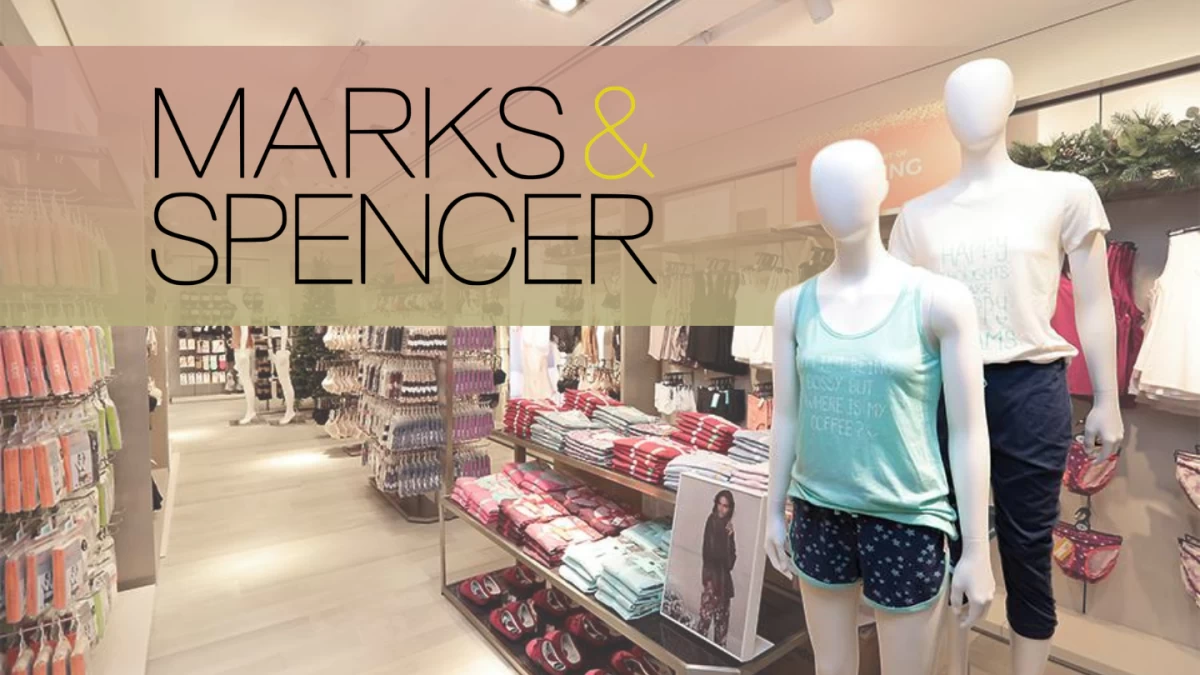
The end of the nearly 40-year partnership between SSI Group Inc. and Marks & Spencer Group has left many Filipino shoppers wondering if the British retail giant is leaving the country. The short answer is yes, but the long-term reality is more complicated.
SSI Group, the luxury retail vehicle led by the Tantoco family, confirmed this week that it will terminate its franchise agreement and shutter all Marks & Spencer operations by May 2, 2026. The exit marks the end of an era of British department-store-style shopping that began in the 1980s.
For SSI, the decision is necessary following its difficult financial stretch. The firm reported a 50 percent drop in net income for the first nine months of 2025, as higher operating costs and cooling discretionary spending weighed on its margins.
However, the “twist” is that Marks & Spencer is not actually abandoning the Philippines. To stabilize its brand equity following SSI’s announcement, M&S headquarters in London issued a clarification affirming that the country remains a “growth opportunity.” The brand is currently transitioning to a new regional partner to support what it calls “ambitious growth plans” in Southeast Asia.
While an official successor has not yet been named, industry sources point to Jakarta-based PT Mitra Adiperkasa Tbk (MAP Group) as the primary contender.
MAP Group is already a player in Philippine retail, managing brands like Foot Locker and Digimap (Apple-authorized reseller), and it also holds the M&S franchise in Indonesia and Vietnam.
The strategy behind the handoff is clear: analysts said M&S is moving away from the sprawling, apparel-heavy department stores managed by SSI toward its high-margin “Food First” model.
Globally, the company’s grocery and “Food Hall” segments have consistently outperformed its clothing lines. By bringing in a regional master franchisee like MAP Group, analysts believe M&S can reset its local footprint to focus on these high-demand food halls—offering smaller, more efficient store formats that reflect current shopping habits.
Analysts see the split as a move for both sides. SSI offloads a legacy brand with high inventory-carry costs to focus on more agile categories, while M&S gains the chance to relaunch with a modern, food-centric approach.
However, shoppers should still prepare for a temporary disruption in store availability following the May 2026 exit. But a relaunch under new management is targeted for late 2026 or 2027, though this timeline remains contingent on the pace of franchise negotiations.