






Manila Bulletin
 Philippines
National
Lunar eclipse myths busted: Here's what PAGASA wants you to know
Philippines
National
Lunar eclipse myths busted: Here's what PAGASA wants you to know
Philippines
National
Lunar eclipse myths busted: Here's what PAGASA wants you to know
Lunar eclipse myths busted: Here's what PAGASA wants you to know
Published Feb 27, 2026 02:56 pm


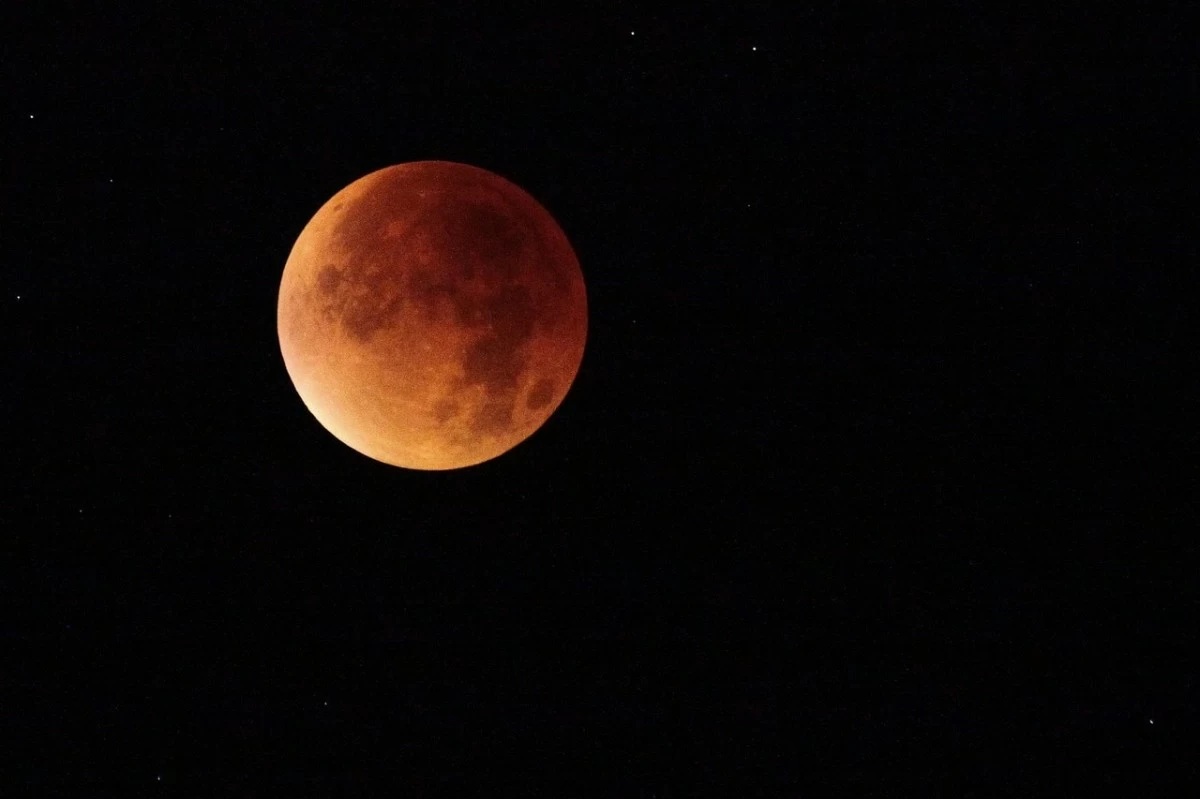
Photo from Pixabay
Despite centuries of myths surrounding the Moon’s reddish color during a lunar eclipse, the Philippine Atmospheric, Geophysical and Astronomical Services Administration (PAGASA) assured Filipinos that there is nothing to fear.
READ MORE:
According to Mario Raymundo, senior weather specialist at PAGASA’s Space Science and Astronomy Section, blood moons have often been linked to bad omens, dangers to pregnant women, and other superstitions.
Raymundo cited that some cultures warned that pregnant women should avoid looking at the eclipse or touching their faces, claiming it could cause birthmarks or deformities.
He said others believed the red Moon signaled war, famine, or disease.
In many traditions, people would make loud noises to “scare away” the entity causing the eclipse, he added.
“These are all myths,” Raymundo said.
He explained that a total lunar eclipse is simply the Earth passing between the Sun and the Moon, and the red color comes from sunlight filtering through Earth’s atmosphere, which is completely safe to observe with the naked eye.
PAGASA said the March 3 eclipse will be visible across the archipelago, weather permitting.
The total phase of the eclipse will last about 59 minutes.
The Moon enters totality at 7:04 p.m., reaching its maximum at 7:34 p.m., when Earth’s shadow will completely cover the Moon.
Totality will end at 8:03 p.m.
For skywatchers, no special equipment is needed but binoculars can enhance the view.
According to Raymundo, while there will be two lunar and two solar eclipses this year, Filipinos will only be able to see the lunar eclipse on March 3.
The last total lunar eclipse seen in the Philippines was on Sept. 7–8, 2025, and the next will not occur until Dec. 31, 2028 to Jan. 1, 2029, coinciding with New Year’s Eve.
Raymundo said astronomy enthusiasts also have a few other dates to mark: a rare six-planet parade on Feb. 28, a full blue moon on May 31, and a supermoon on Dec. 24.