







Fuel prices set to rise for 9th straight week
Published Feb 27, 2026 09:56 am


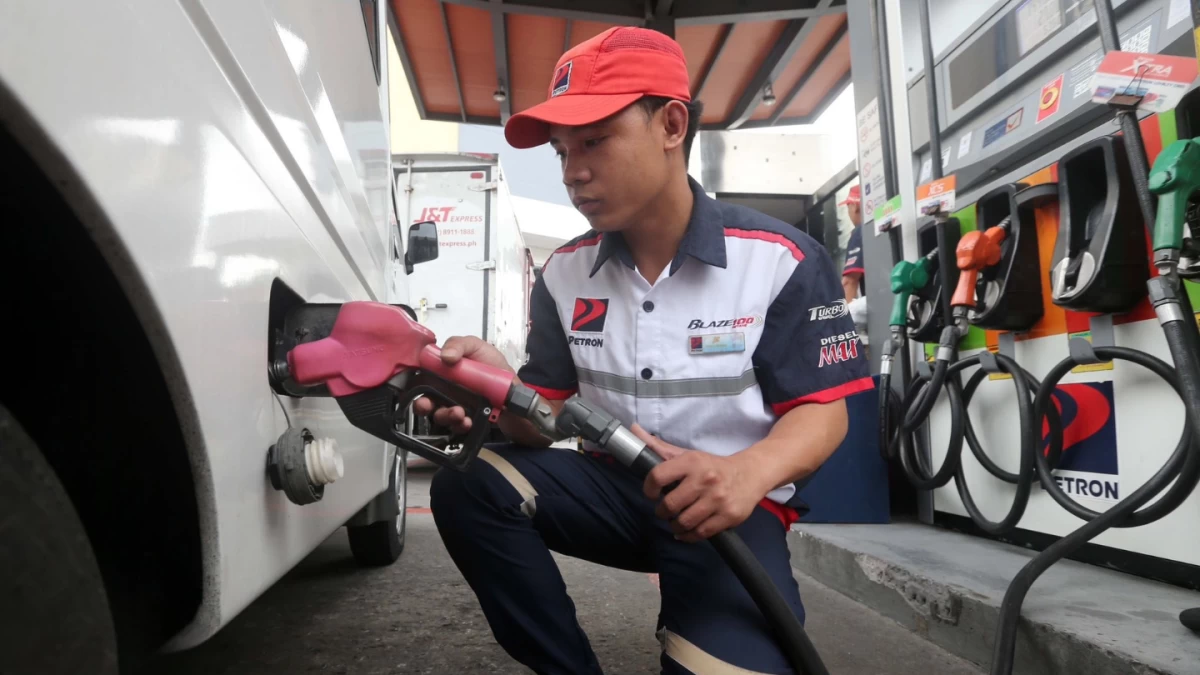
Domestic fuel prices are set to rise for the ninth consecutive time next week as escalating Middle Eastern tensions and shifting Asian trade dynamics outweigh more optimistic global supply forecasts.
Gasoline prices are projected to increase by ₱1.40 to ₱1.60 per liter, while diesel may rise by ₱0.80 to ₱1 per liter, according to four-day trading data from the Mean of Platts Singapore and foreign exchange averages. Kerosene is also expected to climb by approximately ₱0.90 per liter.
The projected adjustments reflect the global oil market struggling for direction. While investors are closely monitoring potential diplomatic breakthroughs between the United States (US) and Iran following a third round of bilateral discussions, the immediate supply outlook remains constricted by military and economic pressure.
“Still, US sanctions 12 more tankers transporting Iranian crude and continues its massive military build-up in the Middle East region,” said Rodela Romero, director of the Department of Energy’s Oil Industry Management Bureau. “These contributed to the upward direction in the prices of petroleum products.”
Market volatility has been further exacerbated by logistical threats in the Persian Gulf. Iran’s reported temporary closure of sections of the Strait of Hormuz for live-fire drills last week served as a reminder of the nation's ability to disrupt traffic along one of the world’s most critical shipping arteries, according to Leo Bellas, president of Jetti Petroleum.
The pressure on local pump prices is not limited to geopolitical friction in the West. Supply chains in Asia are tightening as exports from China and South Korea dip following a lull in production during the Lunar New Year festivities. This regional supply contraction is hitting the market just as global trade faces renewed headwinds from trade policy.
“Helping put a cap on the further upside to prices and providing a near-term bearish backdrop for oil is the renewed tariff uncertainty,” Bellas said.
Despite the immediate upward trend, some relief may be on the horizon for the second quarter. Major oil-producing nations are signaling potential resumption of output hikes starting in April.
This shift, following the period of restrained production in the first three months of the year, is expected to bolster global inventories and eventually ease the sustained pressure on consumer fuel costs.