ADVERTISEMENT

Duterte's defense team questions use of self-confessed murderers as witnesses

Published Feb 27, 2026 07:51 am
Former president Rodrigo Duterte's defense team has questioned the prosecution's reliance on self-confessed murderers as its star witnesses in the crimes against humanity charges the former leader is facing, arguing that their testimonies lack credibility as the statements cannot even be used against themselves.
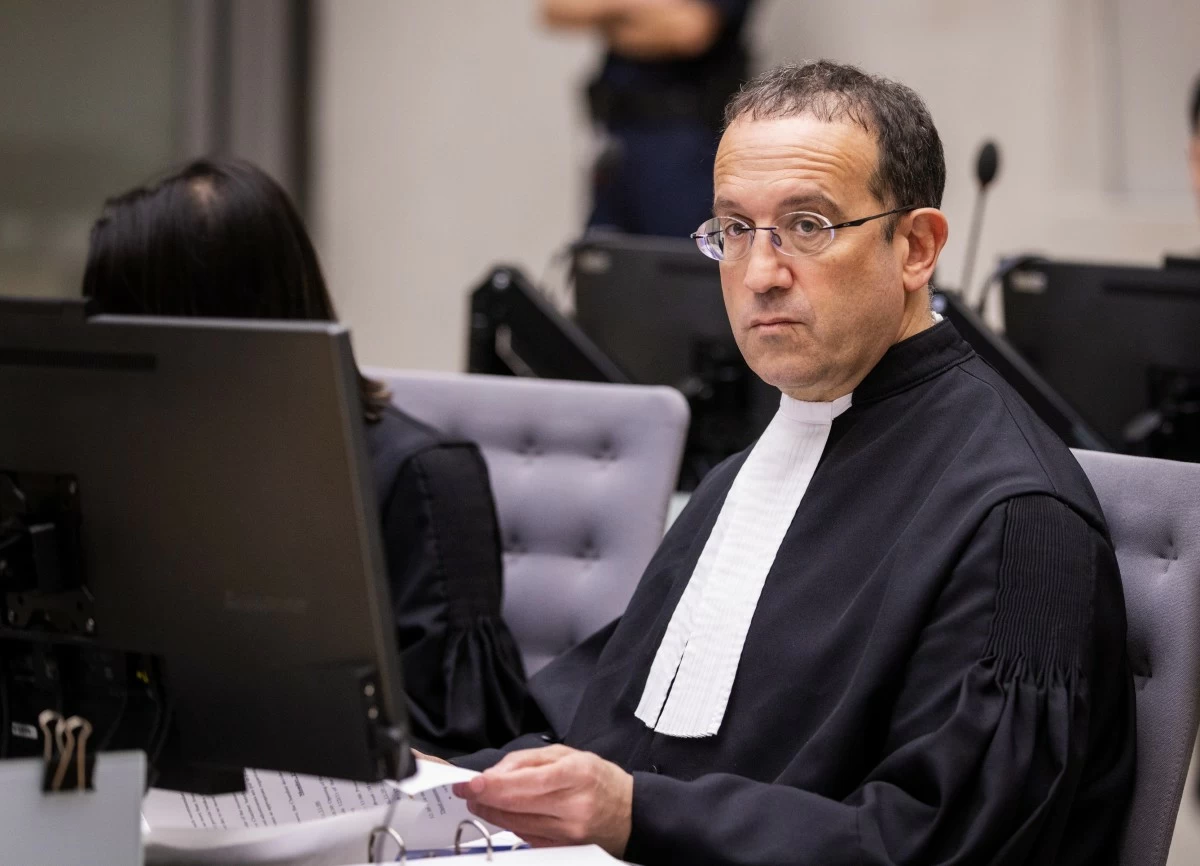
Nicholas Kaufman, Duterte's defense counsel, found the credibility of testimonies of the confessed murderers who supposedly executed the former president and his co-perpetrators' "common plan" to neutralize—or, as the prosecutors said, kill—drug suspects, doubtful because, after all, they are only of "limited use."
And even if their statements become useful against themselves in court, their credibility must still be vetted one by one, Kaufman added.
"The prosecution's star witnesses are self confessed murderers, and most of their statements were taken by the prosecution's investigators with the assurance of limited use, namely that anything self incriminating would not be used against them in proceedings at the ICC (International Criminal Court)," Duterte's defense counsel said on the third session of the third day of the confirmation of his charges on Thursday night (Manila time), Feb. 26.
Kaufman said neither the Rome Statute nor its accompanying texts regulate the way statements of limited use are employed.
"Indeed, in many common law jurisdictions, the use of a self-avowed murderer
to convict an alleged murderer would normally entail vetting and scrutiny of ​the highest order," he added.
During the prosecution team's presentation earlier on Tuesday, Feb. 24, it relied on confessions of the self-confessed murderers as one of their pieces of evidence in prosecuting Duterte, although one of the trial lawyers already said their statements would not be used against them.
The former president, along with his other co-perpetrators, is facing three counts of crimes against humanity at the ICC.
​"Mr. ​Nichols will undoubtedly tell you that these agreements of limited use are not to be understood as the grant of immunity from prosecution," Kaufman said, referring to ICC Prosecutor Julian Nichols.
"For all intents and purposes​ they are, and I am prepared to wager that we will not see even one, not one of these incriminating witnesses in a dock at this court, nor in the dock at any court anywhere in the world, after they have been rehoused and given protection ​of considerable expense to the state parties funding this court," he added.
Kaufman also said that Duterte's conviction "could be obtained without the cooperation of the self​-confessed murderer or a number of them​" because most courts and common law jurisdictions ​"require an evidentiary supplement before relying on the sole testimony of a cooperating criminal witness​" or an accomplice witness.
​Besides, as one of ICC judges already wrote, Kaufman said, oral or written statements will only be of limited use and relied on for the purpose of pursuing leads or developing additional information or evidence.
According to Kaufman, these considerations "were never considered" by the prosecution because the self-confessed murderers were offered to them to become witnesses "on a silver platter, and I cannot say by whom in open session."
​"I do not think that I would be alone either in believing that there is something morally repugnant or even questionable from a public policy standpoint, to show not only one, but a number of ​murderers from prosecution at the ICC, just in an attempt to nail Rodrigo Duterte," he said.

Related Tags

ICC Nicholas Kaufman Rodrigo Duterte President Duterte
ADVERTISEMENT
.most-popular .layout-ratio{ padding-bottom: 79.13%; } @media (min-width: 768px) and (max-width: 1024px) { .widget-title { font-size: 15px !important; } }

{{ articles_filter_1561_widget.title }}

.most-popular .layout-ratio{ padding-bottom: 79.13%; } @media (min-width: 768px) and (max-width: 1024px) { .widget-title { font-size: 15px !important; } }

{{ articles_filter_1562_widget.title }}

.most-popular .layout-ratio{ padding-bottom: 79.13%; } @media (min-width: 768px) and (max-width: 1024px) { .widget-title { font-size: 15px !important; } }

{{ articles_filter_1563_widget.title }}

{{ articles_filter_1564_widget.title }}

.mb-article-details { position: relative; } .mb-article-details .article-body-preview, .mb-article-details .article-body-summary{ font-size: 17px; line-height: 30px; font-family: "Libre Caslon Text", serif; color: #000; } .mb-article-details .article-body-preview iframe , .mb-article-details .article-body-summary iframe{ width: 100%; margin: auto; } .read-more-background { background: linear-gradient(180deg, color(display-p3 1.000 1.000 1.000 / 0) 13.75%, color(display-p3 1.000 1.000 1.000 / 0.8) 30.79%, color(display-p3 1.000 1.000 1.000) 72.5%); position: absolute; height: 200px; width: 100%; bottom: 0; display: flex; justify-content: center; align-items: center; padding: 0; } .read-more-background a{ color: #000; } .read-more-btn { padding: 17px 45px; font-family: Inter; font-weight: 700; font-size: 18px; line-height: 16px; text-align: center; vertical-align: middle; border: 1px solid black; background-color: white; } .hidden { display: none; }
function initializeAllSwipers() { // Get all hidden inputs with cms_article_id document.querySelectorAll('[id^="cms_article_id_"]').forEach(function (input) { const cmsArticleId = input.value; const articleSelector = '#article-' + cmsArticleId + ' .body_images'; const swiperElement = document.querySelector(articleSelector); if (swiperElement && !swiperElement.classList.contains('swiper-initialized')) { new Swiper(articleSelector, { loop: true, pagination: false, navigation: { nextEl: '#article-' + cmsArticleId + ' .swiper-button-next', prevEl: '#article-' + cmsArticleId + ' .swiper-button-prev', }, }); } }); } setTimeout(initializeAllSwipers, 3000); const intersectionObserver = new IntersectionObserver( (entries) => { entries.forEach((entry) => { if (entry.isIntersecting) { const newUrl = entry.target.getAttribute("data-url"); if (newUrl) { history.pushState(null, null, newUrl); let article = entry.target; // Extract metadata const author = article.querySelector('.author-section').textContent.replace('By', '').trim(); const section = article.querySelector('.section-info ').textContent.replace(' ', ' '); const title = article.querySelector('.article-title h1').textContent; // Parse URL for Chartbeat path format const parsedUrl = new URL(newUrl, window.location.origin); const cleanUrl = parsedUrl.host + parsedUrl.pathname; // Update Chartbeat configuration if (typeof window._sf_async_config !== 'undefined') { window._sf_async_config.path = cleanUrl; window._sf_async_config.sections = section; window._sf_async_config.authors = author; } // Track virtual page view with Chartbeat if (typeof pSUPERFLY !== 'undefined' && typeof pSUPERFLY.virtualPage === 'function') { try { pSUPERFLY.virtualPage({ path: cleanUrl, title: title, sections: section, authors: author }); } catch (error) { console.error('ping error', error); } } // Optional: Update document title if (title && title !== document.title) { document.title = title; } } } }); }, { threshold: 0.1 } ); function showArticleBody(button) { const article = button.closest("article"); const summary = article.querySelector(".article-body-summary"); const body = article.querySelector(".article-body-preview"); const readMoreSection = article.querySelector(".read-more-background"); // Hide summary and read-more section summary.style.display = "none"; readMoreSection.style.display = "none"; // Show the full article body body.classList.remove("hidden"); } document.addEventListener("DOMContentLoaded", () => { let loadCount = 0; // Track how many times articles are loaded const offset = [1, 2, 3, 4, 5, 6, 7, 8, 9, 10]; // Offset values const currentUrl = window.location.pathname.substring(1); let isLoading = false; // Prevent multiple calls if (!currentUrl) { console.log("Current URL is invalid."); return; } const sentinel = document.getElementById("load-more-sentinel"); if (!sentinel) { console.log("Sentinel element not found."); return; } function isSentinelVisible() { const rect = sentinel.getBoundingClientRect(); return ( rect.top < window.innerHeight && rect.bottom >= 0 ); } function onScroll() { if (isLoading) return; if (isSentinelVisible()) { if (loadCount >= offset.length) { console.log("Maximum load attempts reached."); window.removeEventListener("scroll", onScroll); return; } isLoading = true; const currentOffset = offset[loadCount]; window.loadMoreItems().then(() => { let article = document.querySelector('#widget_1690 > div:nth-last-of-type(2) article'); intersectionObserver.observe(article) loadCount++; }).catch(error => { console.error("Error loading more items:", error); }).finally(() => { isLoading = false; }); } } window.addEventListener("scroll", onScroll); });

Sign up by email to receive news.