







TikTok intros over 50 preset teen safety features
Published Feb 26, 2026 09:42 am


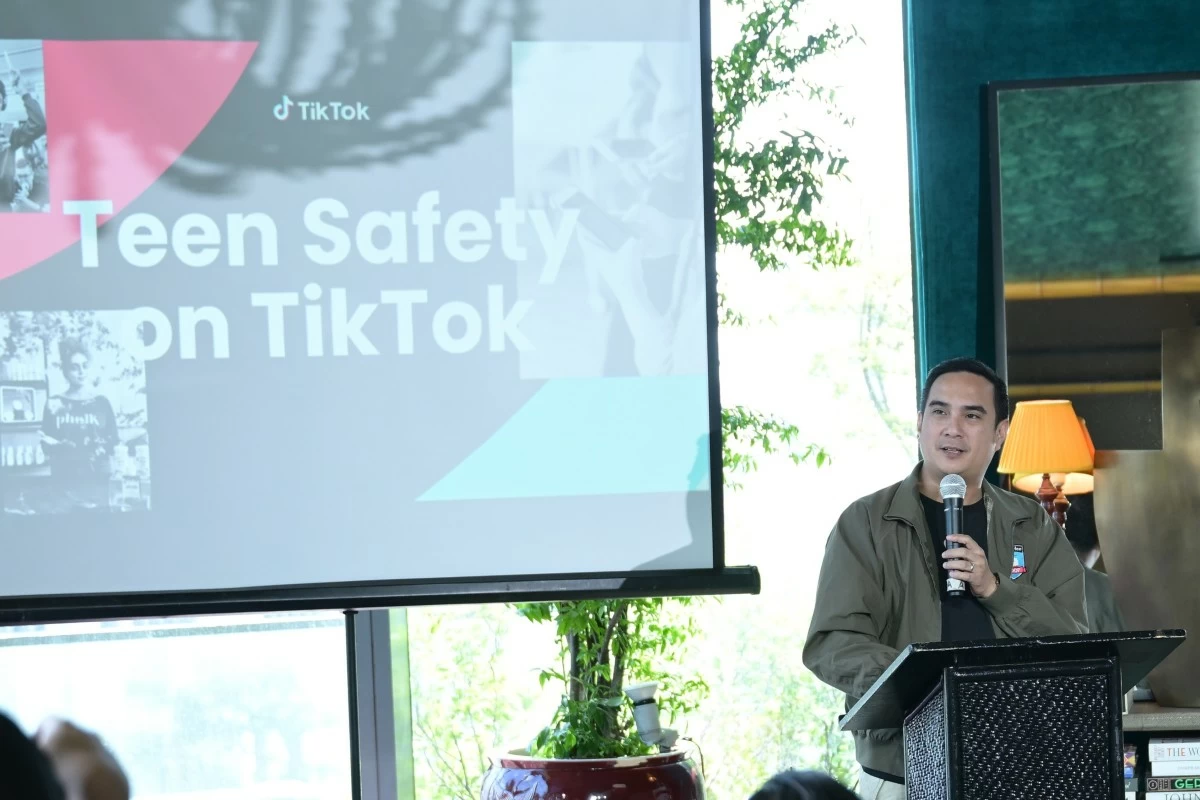
TikTok highlights over 50 preset teen safety features after launching the #ThinkTwice Troop. This ensures age-appropriate and positive online experience. The Troop is backed by child rights organizations and creators.
In an event to mark Safer Internet Day, TikTok highlighted its robust safeguards and teen safety tools, which promote digital well-being and responsible engagement, including:
• Over 50 preset Teen Safety features, such as default private accounts, a 60-minute screen time limit, comment and direct messaging controls, and For You Feed recommendation restrictions;
• Family Pairing, which allows parents or guardians to customize their teen's experience on the platform, and provides Visibility on Followers and Report Alerts features;
• For You Feed Controls, such as Manage Topics, which allows teens to tailor their For You feed to see more or less of a certain kind of content, and Smart Keyword Filtering, which allows teens to automatically filter out content containing specific words or phrases; and
• Time and Well-being, a dedicated area within the app designed to help users—especially teens—decompress and build mindful digital habits, through a Screen Time Dashboard, Well-being Missions, an Affirmation Journal, and a Soothing Sound Generator.
"TikTok is committed to equipping teens with the tools and guidance they need to navigate the online world safely and responsibly, while recognizing their rights as digital citizens," said Yves Gonzalez, head of public policy, TikTok Philippines. "Our aim is for Filipino teens' digital experiences to offer joy and enrichment. We continue to build the strongest platform safeguards that allow them to discover, learn, and express themselves creatively in a positive environment, while empowering parents to have conversations with their teens on their digital habits and experiences."
TikTok also recognizes the importance of fostering dialogue across stakeholders to better understand the challenges and opportunities in protecting teens online. Through the #ThinkTwice Troop, an advocacy program composed of youth safety advocates and experts, TikTok underscores that protecting teenagers online is a shared responsibility among families, educators, industry leaders, policymakers, and communities.
In a panel discussion, Hazel Bitaña, deputy regional executive director of Child Rights Coalition Asia (CRC Asia), Claire Laison, director of the Child Rights Desk of the Ateneo Human Rights Centre (AHRC), and creators Mona Magno-Veluz, a digital historian and inclusion advocate, and Riyan Portuguez, a psychologist and digital wellness advocate, explored strategies for fostering safe and positive digital experiences for teens.
"We believe that parents, educators, and the public and private sectors must work together in empowering teens as they navigate the online world in the exercise of their rights and responsibilities. Initiatives like TikTok’s #ThinkTwice Troop complement the work that civil society organizations do to protect the youth, while still enabling opportunities for them to thrive and co-create a safe and inclusive digital space," said Bitaña.
"When children know their digital rights, such as privacy and data protection, protection from Online Sexual Abuse or Exploitation of Children and Child Sexual Abuse or Exploitation Materials, and have accessto reliable information, meaningful participation, and child-friendly reporting, they can recognize harm, set boundaries, and seek help," said Laison. "This builds safer online habits and critical thinking against scams, predatory behaviors, and misinformation, while empowering children to speak up responsibly. Still, child online safety cannot rest on children alone. Parents, educators, government, business, and civil society remain duty-bearers responsible for keeping children safe online through privacy protections, clear and trusted reporting channels, and timely, accountable responses when children’s rights are violated."
For Magno-Veluz, digital historian and inclusion advocate, creators and community leaders are trusted voices online, helping Filipino youth navigate the digital world safely while nurturing their curiosity and creativity. Portuguez also noted that digital well-being starts with awareness and understanding and emphasized the importance of helping teens develop healthy online habits, so that they grow into responsible adult users.
In a separate session TikTok hosted with civil society organizations, including the Ateneo Human rights Commission (AHRC), Child Rights Network Philippines, Child Rights Coalition (CRC) Asia, the De La Salle University (DLSU) Social Development Research Center, End Child Prostitution and Trafficking (ECPAT) Philippines, the International Justice Mission (IJM), Katilingban sa Katambuan, Plan International, Save the Children Philippines, and Stairways Foundation, representatives highlighted the importance of considering cultural nuances, teen language, and lived experiences, and taking a multi-layered approach to online teen safety.
All these efforts reflect TikTok's commitment to advancing teen safety and digital literacy through the continuous development of tools and programs, while actively collaborating with stakeholders to support teens, families, and communities.