ADVERTISEMENT

Public awareness campaign on online gambling needed

Published Feb 26, 2026 12:01 am  |  Updated Feb 25, 2026 04:12 pm
There was a time when gambling required effort. One had to travel to a casino, a cockpit arena, or a betting station. Today, it takes only a smartphone and a few taps on a mobile phone or gadget screen. In the Philippines, online gambling has moved from the margins to the mainstream, embedding itself in daily life with unprecedented speed and reach.
Recent estimates suggest that about 32 million Filipino adults are now participating in some form of online betting—nearly half of the country’s adult population. Just a few years ago, that number was closer to eight million. This dramatic surge reflects more than shifting tastes; it signals a structural change in how gambling is accessed and consumed. The casino is no longer a destination. It is in every pocket.
The Covid pandemic accelerated this transformation. With people confined to their homes, digital entertainment flourished. Online betting platforms seized the moment. Boredom, isolation, and financial anxiety created fertile ground for apps promising excitement—and quick money. Then came technology that made it seamless to transfer money, and hide one’s losses from family and friends.
Aggressive marketing has further normalized online betting. Regulators such as the Philippine Amusement and Gaming Corporation (Pagcor) have responded with tighter know-your-customer rules, bans on primetime broadcast ads, restrictions on credit card and cryptocurrency payments, and the rollout of responsible gaming tools. Lawmakers have called for stronger enforcement against illegal operators. Many operate offshore and quickly resurface even after being blocked.
Yet regulation alone cannot offset the scale and accessibility of the problem.
Online gambling now comes in many forms: digital slots and card games, e-Bingo, sports betting, live dealer platforms, remote cockfighting streams, and app-based betting embedded in games. Each format targets a different demographic.
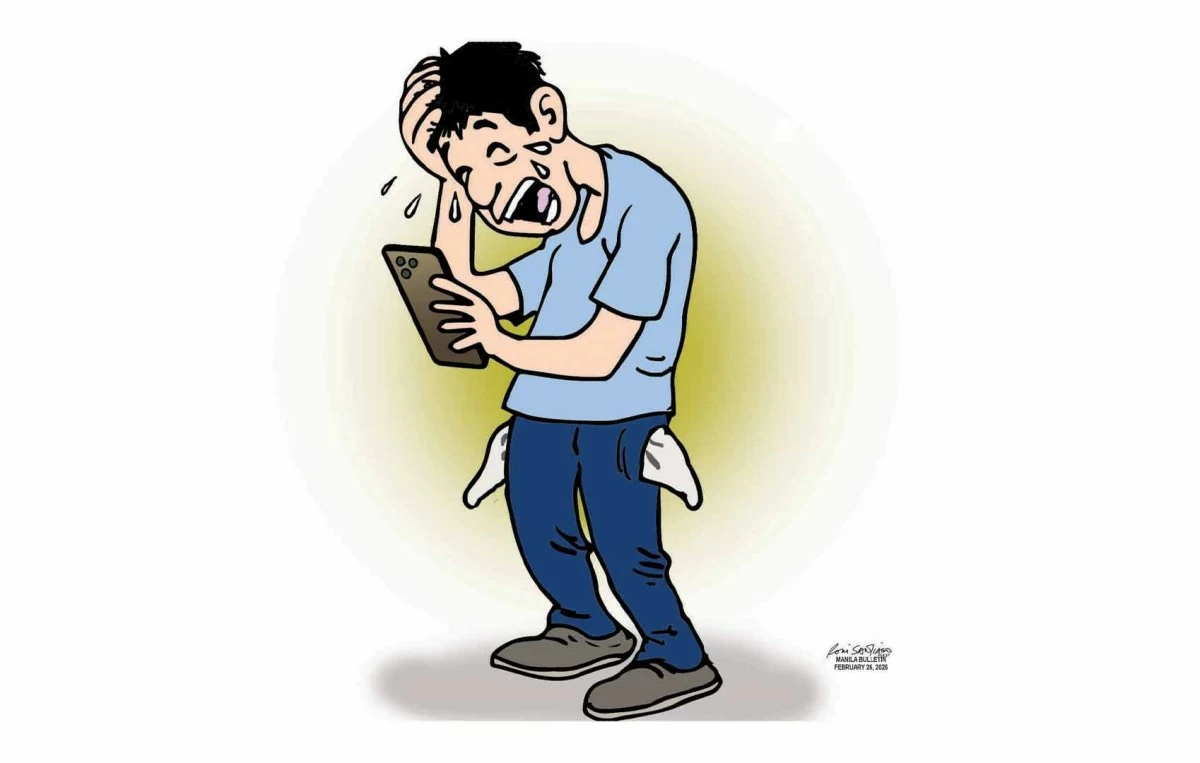
Addiction is alarmingly easy. Platforms operate 24/7. Deposits are instant. Push notifications encourage repeat play. “Near-miss” designs and promotional bonuses keep users engaged. Wins trigger dopamine surges; losses push the urge to chase luck in the next game. Because gambling happens privately on a personal device, escalation often goes unnoticed until debts mount and relationships fracture.
The social costs are profound. Families see savings meant for food, rent, or tuition vanish. Workplaces suffer as employees borrow money or struggle with mounting obligations. Mental health deteriorates under the weight of shame and financial stress. For low-income households, the illusion of a life-changing win can entrench cycles of poverty rather than break them.
The debate over legalization remains contentious. Proponents argue that regulation allows oversight, taxation, and consumer protection. A total ban, they warn, would simply drive gambling underground, where there are no safeguards and no accountability. Critics counter that legalization legitimizes a highly addictive activity and that tax revenues cannot compensate for social harm.
Both sides raise valid points. But regardless of where one stands on prohibition, one conclusion is unavoidable: public awareness has not kept pace with technological change.
Filipinos must understand that online gambling apps are not harmless games. They are designed to maximize engagement and spending. Responsible gaming slogans are not enough in an environment engineered for impulse.
A stronger, sustained public awareness campaign is urgently needed—one that meets citizens where the risk resides: on their smartphones, on social media, in schools, and in workplaces. Digital literacy must now include gambling literacy.
The smartphone is one of the most transformative tools of our era. It connects families, fuels businesses, and democratizes information. But without vigilance, it can also become a 24-hour casino—private, portable, and perilous.
The country must decide whether convenience will continue to outpace caution. The stakes are no longer confined to gaming tables. They are embedded in everyday life.

Related Tags

ONLINE GAMBLING
ADVERTISEMENT
.most-popular .layout-ratio{ padding-bottom: 79.13%; } @media (min-width: 768px) and (max-width: 1024px) { .widget-title { font-size: 15px !important; } }

{{ articles_filter_1561_widget.title }}

.most-popular .layout-ratio{ padding-bottom: 79.13%; } @media (min-width: 768px) and (max-width: 1024px) { .widget-title { font-size: 15px !important; } }

{{ articles_filter_1562_widget.title }}

.most-popular .layout-ratio{ padding-bottom: 79.13%; } @media (min-width: 768px) and (max-width: 1024px) { .widget-title { font-size: 15px !important; } }

{{ articles_filter_1563_widget.title }}

{{ articles_filter_1564_widget.title }}

.mb-article-details { position: relative; } .mb-article-details .article-body-preview, .mb-article-details .article-body-summary{ font-size: 17px; line-height: 30px; font-family: "Libre Caslon Text", serif; color: #000; } .mb-article-details .article-body-preview iframe , .mb-article-details .article-body-summary iframe{ width: 100%; margin: auto; } .read-more-background { background: linear-gradient(180deg, color(display-p3 1.000 1.000 1.000 / 0) 13.75%, color(display-p3 1.000 1.000 1.000 / 0.8) 30.79%, color(display-p3 1.000 1.000 1.000) 72.5%); position: absolute; height: 200px; width: 100%; bottom: 0; display: flex; justify-content: center; align-items: center; padding: 0; } .read-more-background a{ color: #000; } .read-more-btn { padding: 17px 45px; font-family: Inter; font-weight: 700; font-size: 18px; line-height: 16px; text-align: center; vertical-align: middle; border: 1px solid black; background-color: white; } .hidden { display: none; }
function initializeAllSwipers() { // Get all hidden inputs with cms_article_id document.querySelectorAll('[id^="cms_article_id_"]').forEach(function (input) { const cmsArticleId = input.value; const articleSelector = '#article-' + cmsArticleId + ' .body_images'; const swiperElement = document.querySelector(articleSelector); if (swiperElement && !swiperElement.classList.contains('swiper-initialized')) { new Swiper(articleSelector, { loop: true, pagination: false, navigation: { nextEl: '#article-' + cmsArticleId + ' .swiper-button-next', prevEl: '#article-' + cmsArticleId + ' .swiper-button-prev', }, }); } }); } setTimeout(initializeAllSwipers, 3000); const intersectionObserver = new IntersectionObserver( (entries) => { entries.forEach((entry) => { if (entry.isIntersecting) { const newUrl = entry.target.getAttribute("data-url"); if (newUrl) { history.pushState(null, null, newUrl); let article = entry.target; // Extract metadata const author = article.querySelector('.author-section').textContent.replace('By', '').trim(); const section = article.querySelector('.section-info ').textContent.replace(' ', ' '); const title = article.querySelector('.article-title h1').textContent; // Parse URL for Chartbeat path format const parsedUrl = new URL(newUrl, window.location.origin); const cleanUrl = parsedUrl.host + parsedUrl.pathname; // Update Chartbeat configuration if (typeof window._sf_async_config !== 'undefined') { window._sf_async_config.path = cleanUrl; window._sf_async_config.sections = section; window._sf_async_config.authors = author; } // Track virtual page view with Chartbeat if (typeof pSUPERFLY !== 'undefined' && typeof pSUPERFLY.virtualPage === 'function') { try { pSUPERFLY.virtualPage({ path: cleanUrl, title: title, sections: section, authors: author }); } catch (error) { console.error('ping error', error); } } // Optional: Update document title if (title && title !== document.title) { document.title = title; } } } }); }, { threshold: 0.1 } ); function showArticleBody(button) { const article = button.closest("article"); const summary = article.querySelector(".article-body-summary"); const body = article.querySelector(".article-body-preview"); const readMoreSection = article.querySelector(".read-more-background"); // Hide summary and read-more section summary.style.display = "none"; readMoreSection.style.display = "none"; // Show the full article body body.classList.remove("hidden"); } document.addEventListener("DOMContentLoaded", () => { let loadCount = 0; // Track how many times articles are loaded const offset = [1, 2, 3, 4, 5, 6, 7, 8, 9, 10]; // Offset values const currentUrl = window.location.pathname.substring(1); let isLoading = false; // Prevent multiple calls if (!currentUrl) { console.log("Current URL is invalid."); return; } const sentinel = document.getElementById("load-more-sentinel"); if (!sentinel) { console.log("Sentinel element not found."); return; } function isSentinelVisible() { const rect = sentinel.getBoundingClientRect(); return ( rect.top < window.innerHeight && rect.bottom >= 0 ); } function onScroll() { if (isLoading) return; if (isSentinelVisible()) { if (loadCount >= offset.length) { console.log("Maximum load attempts reached."); window.removeEventListener("scroll", onScroll); return; } isLoading = true; const currentOffset = offset[loadCount]; window.loadMoreItems().then(() => { let article = document.querySelector('#widget_1690 > div:nth-last-of-type(2) article'); intersectionObserver.observe(article) loadCount++; }).catch(error => { console.error("Error loading more items:", error); }).finally(() => { isLoading = false; }); } } window.addEventListener("scroll", onScroll); });

Sign up by email to receive news.