






Manila Bulletin
 Philippines
National
Marcoleta: PH 'willing and able' to prosecute crimes against humanity
Philippines
National
Marcoleta: PH 'willing and able' to prosecute crimes against humanity
Philippines
National
Marcoleta: PH 'willing and able' to prosecute crimes against humanity
Marcoleta: PH 'willing and able' to prosecute crimes against humanity
By Dhel Nazario
Published Feb 25, 2026 09:20 am


Senator Rodante Marcoleta said on Tuesday, Feb. 24, that the Philippines is “willing and able to prosecute crimes against humanity” and must assert the primary jurisdiction of its own courts before any surrender or extradition of Filipino citizens to international tribunals.
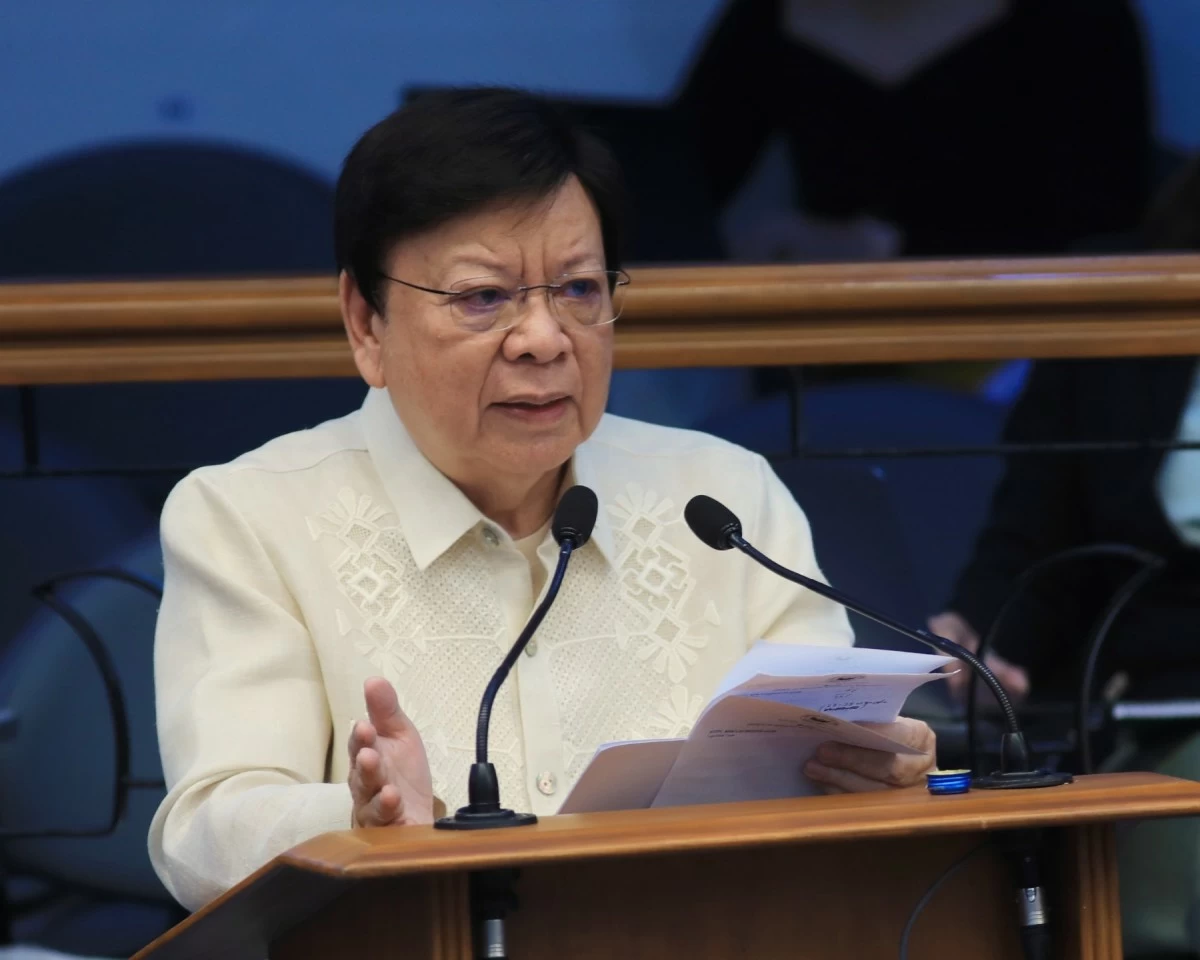
Senator Rodante Marcoleta (Senate PRIB photo)
Marcoleta stated this as he sponsored Proposed Senate Resolution No. 307. In his sponsorship speech, he said that the resolution seeks to express the sense of the Senate to protect Filipinos against extraordinary rendition and to guarantee them a reasonable time to seek judicial remedies before being surrendered or extradited from the country.
“The Philippines is willing and able to prosecute crimes for humanity,” Marcoleta said.
He cited Republic Act No. 9851, which criminalizes crimes against humanity under Philippine law and provides mechanisms for investigation and prosecution.
He also cited the designation of special courts by the Supreme Court (SC), the creation of legal remedies such as the Writ of Amparo, and the establishment of agencies tasked to investigate and prosecute such crimes. He added that judges, prosecutors, and relevant government bodies have undergone training to ensure proper implementation of the law.
Marcoleta also referred to a 2023 statement by the Philippine Permanent Mission to the United Nations, which reaffirmed that the Philippines exercises jurisdiction over crimes against humanity when the accused is a Filipino citizen, is present in the country, or when the crime is committed against a Filipino. He said this demonstrates the country’s readiness and capability to prosecute such offenses domestically.
“This is a clear assertion of the principle of complementarity that should rule out an extraordinary rendition of a Filipino citizen to the International Criminal Court,” he said.
Marcoleta emphasized that under the doctrine of complementarity, international tribunals may only step in when national courts are unwilling or unable to prosecute.
He said there has been no declaration from the SC that Philippine courts are incapable of handling such cases.
“Preparado po tayo. Ang ating korte, ang ating mga piskalya, handa at may kakayahan (We are prepared. Our courts and our prosecutors are ready and capable),” he said, stressing that primary jurisdiction rests with the Philippines.
The senator argued that surrendering Filipinos to foreign tribunals without first exhausting domestic legal processes would undermine the Constitution and due process. He said the resolution seeks to ensure that any Filipino facing international charges is given sufficient time to access Philippine courts before any surrender is carried out.
While noting that the resolution is not meant to obstruct justice or shield wrongdoing, Marcoleta said it aims to safeguard constitutional rights and national sovereignty. He added that the issue transcends personalities and is not solely about former President Rodrigo Duterte or the current controversies involving the ICC.
The international tribunal is currently handling the charges of crimes against humanity against the former president.
“What is truly at stake is the enduring protection of every Filipino and his constitutional rights whenever international prosecution touches our domestic sovereignty,” Marcoleta said.