






Manila Bulletin
 Philippines
National
CBCP launches 'Katipunan' formation program as nation marks 40th EDSA People Power anniversary
Philippines
National
CBCP launches 'Katipunan' formation program as nation marks 40th EDSA People Power anniversary
Philippines
National
CBCP launches 'Katipunan' formation program as nation marks 40th EDSA People Power anniversary
CBCP launches 'Katipunan' formation program as nation marks 40th EDSA People Power anniversary
Published Feb 25, 2026 01:37 pm


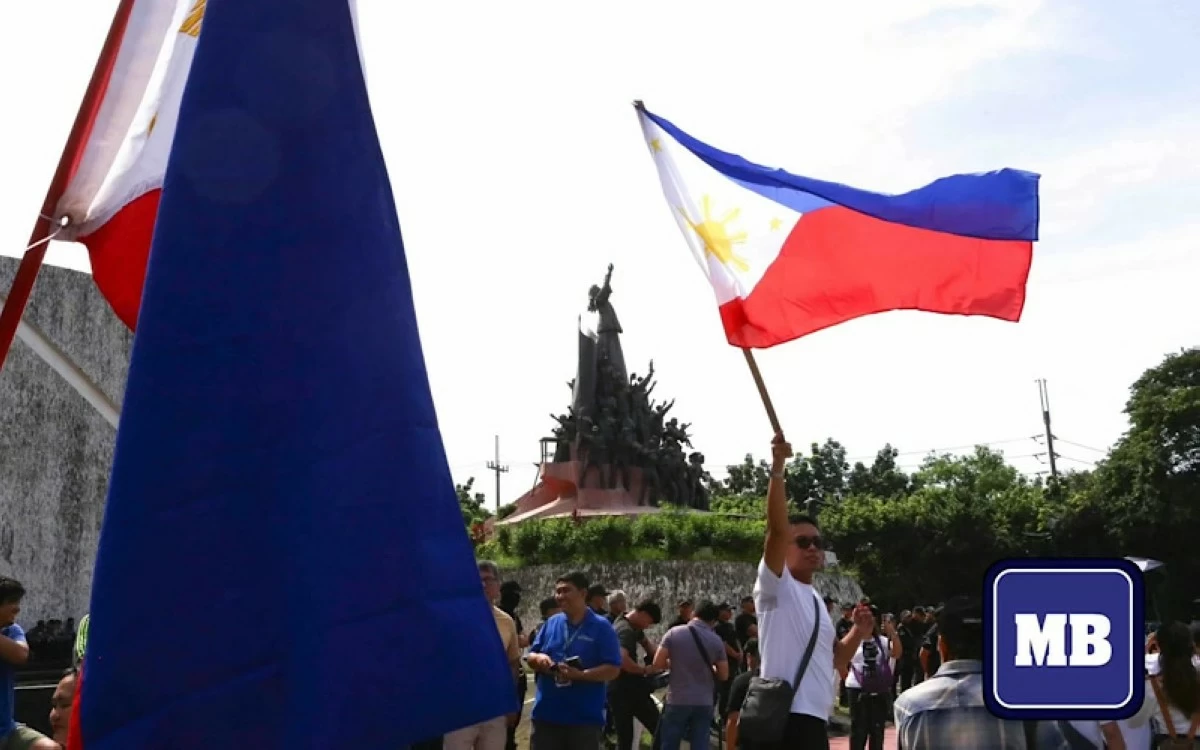
(Santi San Juan/Manila Bulletin)
As the Philippines commemorates the 40th anniversary of the 1986 EDSA People Power Revolution, the Catholic Bishops’ Conference of the Philippines (CBCP) called on Filipinos to renew their commitment to good citizenship, citing persistent social problems that continue to challenge the nation.
In a pastoral letter dated Feb. 25 and signed by CBCP President Gilbert A. Garcera, the bishops reflected on the legacy of the peaceful uprising along EDSA that led to the fall of the dictatorship in 1986.
The bishops recalled how ordinary Filipinos chose peace over violence and conscience over fear, giving birth to what they described as a national dream of justice, freedom, truth, and respect for human dignity.
“Forty years later, however, many Filipinos ask a painful question: What happened to that dream?” the letter read.
The bishops said the country continues to face what many now call the five “Ks,” namely korapsyon (corruption), kahirapan(poverty), kriminalidad (criminality), kasinungalingan (lies), and kataksilan (betrayal of national interest).
They said these problems have fueled frustration and cynicism among citizens who feel that little has changed.
However, the CBCP pointed out that lasting reform begins not only with systems and leaders but with “formed consciences and converted hearts.”
As part of its response, the bishops introduced the Katipunan Formation Program for Good Citizenship and encouraged dioceses nationwide to launch the initiative as soon as possible.
The word “Katipunan,” from the Filipino word tipon meaning “to gather,” recalls the spirit of Filipino heroes such as Andres Bonifacio, Emilio Jacinto, and Jose Rizal, who championed love of country, moral integrity, and shared responsibility.
The CBCP clarified that the program is not a political movement or campaign effort but a formation process rooted in Christian values.
It aims to shape Filipinos into morally grounded and socially aware citizens who live out their faith in daily social and political life.
“To say ‘Katipunan ako’ is to affirm a love for God and country, a sense of responsibility for the common good, and a commitment to live one’s faith in daily social and political life,” the letter stated.
The formation program will involve reflection, prayer, and study, drawing inspiration from key texts in Philippine history, including Apolinario Mabini’s True Decalogue, Emilio Jacinto’s Kartilya ng Katipunan, and Manuel L. Quezon’s Code of Citizenship.
The bishops said these principles resonate with the Ten Commandments and the Gospel’s call to love one another.
The CBCP outlined five commitments under the program: prayer (panalangin), taking a stand against wrongdoing (pagtutol), holding leaders accountable (panagutin), informed and principled participation in civic processes (pagtabas), and sustaining hope (pag-asa) through communities of faith.
The bishops also noted that hope has long been central to the Filipino struggle for freedom, pointing out that Bonifacio’s secret name in the Katipunan was “May-asa.”
“As the nation remembers EDSA at 40, the challenge is not merely to commemorate the past, but to continue the work of conscience and conversion,” the CBCP said.