ADVERTISEMENT

Boosting the pace of LGU development

Published Feb 25, 2026 12:05 am  |  Updated Feb 24, 2026 04:41 pm
THE VIEW FROM RIZAL
We join the rest of the local government sector in lauding the recent move by President Ferdinand “Bongbong” Marcos Jr. to hasten the pace of development at the grassroots level with the launching of the program “Sa Bagong Pilipinas, Bawat Bayan Makikinabang.”
The program involves allocating ₱57.8 billion to the Local Government Support Fund (LGSF) in the National Budget. Among its components are the ₱37.4 billion allocated for the financial assistance to LGUs, and the growth equity fund of about ₱11.3 billion, among others. These amounts constitute what perhaps the biggest national government support is given to local government units in the country’s history.
In addition to advocating for a larger allocation, the President ensured that the process of downloading funds to LGUs is improved, making it more transparent and — equally important — faster. He pointed out that the said process “was sometimes difficult and slow,” adding that the request LGUs file may even be lost in the bureaucratic maze.
He explained the rationale for his decisive move: “People’s needs, no matter how small or how large, cannot wait.” The President also ordered the direct release of LGSF to the requesting LGUs.
In many ways, the President’s move is both unprecedented and bold. It has given more flesh to the intent of the 1987 Constitution and other pertinent laws, which recognize that local government units “shall enjoy genuine and meaningful local autonomy.”
The aim of that policy is to enable them “to attain their fullest development as self-reliant communities and make them more effective partners in the attainment of national goals.”
There are four items in the National Budget that constitute the so-called ALGU funds, or allocation to local government units. The LGSF is just one of them. The other two are the national tax allotment (NTA), which used to be called the IRA, and the special shares in the proceeds of national wealth, which include excise tax on minerals, tobacco, and the like. The fourth is the block grant, which, at present, is enjoyed only by the Bangsamoro Autonomous Region in Muslim Mindanao (BARMM) in the form of an annual block grant and special development fund.
The NTA and the special shares funds are constitutionally mandated.
The LGSF is not. This is periodically provided by Congress and its legal basis is solely the General Appropriations Act (GAA). In a way, this is viewed as “financial assistance” to local governments and is intended to be used for local infrastructure projects, social services, and disaster and risk mitigation measures.
The President is on point. What the LGSF will fund are the projects and services that the ordinary Filipinos see, experience, and directly benefit from.
LGUs also appreciate that the increased LGSF is the result of the President’s initiative and his coaxing and encouraging his allies in Congress to make the move. The size of the fund and its inclusion in the GAA are, in a way, “discretionary.” It requires the political will and the concern of the sitting President to make an increase and inclusion happen.
This recent move by the President is one of his latest actions aimed at helping LGUs perform their job well. In one of our columns last month, we lauded his decision to restore a guideline and practice that had been removed. This is the requirement for the concerned local government units to be part of the approval, validation, and acceptance of completed infrastructure projects within their jurisdictions, which are overseen by the Department of Public Works and Highways (DPWH).
In so doing, the national leadership strengthened the mechanism to ensure that there are no “ghost” projects and that such projects are carried out in accordance with the specifications in the contracts signed by private construction firms with the government.
There is one more item on the wishlist of local government units. This concerns their aspiration for a greater say in the use of the natural resources within their jurisdiction.
As things stand today, LGUs have virtually no power to stop any activity done by private parties to the said resources. These activities include mining, quarrying, and similar activities that could potentially cause environmental degradation.
As we mentioned in past columns, there have been attempts by the Antipolo City Government to put a stop to these types of commercial activities in the province. This was due to concerns that the said activities may be contributing to the aggravation of flooding in the affected areas.
The attempts, of course, proved futile after courts declared that a bid to stop these activities is “ultra vires,” meaning outside the powers of LGUs. The courts noted several times that the permits for these activities were issued by national government agencies. The power to revoke them lies with those who issued the permit.
We have not lost hope. It has been boosted by the President’s full support for local governments and communities.
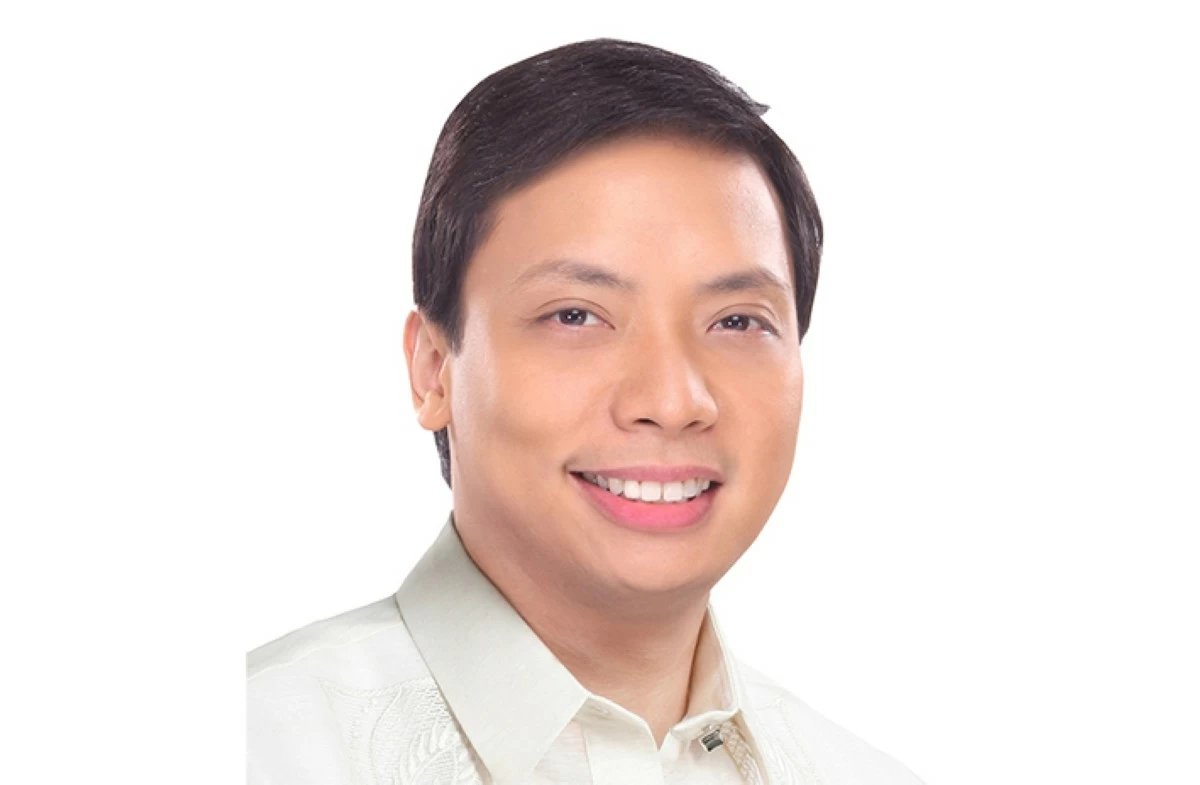
(The author is a Doctor of Medicine, an entrepreneur and the current mayor of Antipolo City, former Rizal governor, and DENR assistant secretary, LLDA general manager. Email: [email protected])
ADVERTISEMENT
.most-popular .layout-ratio{ padding-bottom: 79.13%; } @media (min-width: 768px) and (max-width: 1024px) { .widget-title { font-size: 15px !important; } }

{{ articles_filter_1561_widget.title }}

.most-popular .layout-ratio{ padding-bottom: 79.13%; } @media (min-width: 768px) and (max-width: 1024px) { .widget-title { font-size: 15px !important; } }

{{ articles_filter_1562_widget.title }}

.most-popular .layout-ratio{ padding-bottom: 79.13%; } @media (min-width: 768px) and (max-width: 1024px) { .widget-title { font-size: 15px !important; } }

{{ articles_filter_1563_widget.title }}

{{ articles_filter_1564_widget.title }}

.mb-article-details { position: relative; } .mb-article-details .article-body-preview, .mb-article-details .article-body-summary{ font-size: 17px; line-height: 30px; font-family: "Libre Caslon Text", serif; color: #000; } .mb-article-details .article-body-preview iframe , .mb-article-details .article-body-summary iframe{ width: 100%; margin: auto; } .read-more-background { background: linear-gradient(180deg, color(display-p3 1.000 1.000 1.000 / 0) 13.75%, color(display-p3 1.000 1.000 1.000 / 0.8) 30.79%, color(display-p3 1.000 1.000 1.000) 72.5%); position: absolute; height: 200px; width: 100%; bottom: 0; display: flex; justify-content: center; align-items: center; padding: 0; } .read-more-background a{ color: #000; } .read-more-btn { padding: 17px 45px; font-family: Inter; font-weight: 700; font-size: 18px; line-height: 16px; text-align: center; vertical-align: middle; border: 1px solid black; background-color: white; } .hidden { display: none; }
function initializeAllSwipers() { // Get all hidden inputs with cms_article_id document.querySelectorAll('[id^="cms_article_id_"]').forEach(function (input) { const cmsArticleId = input.value; const articleSelector = '#article-' + cmsArticleId + ' .body_images'; const swiperElement = document.querySelector(articleSelector); if (swiperElement && !swiperElement.classList.contains('swiper-initialized')) { new Swiper(articleSelector, { loop: true, pagination: false, navigation: { nextEl: '#article-' + cmsArticleId + ' .swiper-button-next', prevEl: '#article-' + cmsArticleId + ' .swiper-button-prev', }, }); } }); } setTimeout(initializeAllSwipers, 3000); const intersectionObserver = new IntersectionObserver( (entries) => { entries.forEach((entry) => { if (entry.isIntersecting) { const newUrl = entry.target.getAttribute("data-url"); if (newUrl) { history.pushState(null, null, newUrl); let article = entry.target; // Extract metadata const author = article.querySelector('.author-section').textContent.replace('By', '').trim(); const section = article.querySelector('.section-info ').textContent.replace(' ', ' '); const title = article.querySelector('.article-title h1').textContent; // Parse URL for Chartbeat path format const parsedUrl = new URL(newUrl, window.location.origin); const cleanUrl = parsedUrl.host + parsedUrl.pathname; // Update Chartbeat configuration if (typeof window._sf_async_config !== 'undefined') { window._sf_async_config.path = cleanUrl; window._sf_async_config.sections = section; window._sf_async_config.authors = author; } // Track virtual page view with Chartbeat if (typeof pSUPERFLY !== 'undefined' && typeof pSUPERFLY.virtualPage === 'function') { try { pSUPERFLY.virtualPage({ path: cleanUrl, title: title, sections: section, authors: author }); } catch (error) { console.error('ping error', error); } } // Optional: Update document title if (title && title !== document.title) { document.title = title; } } } }); }, { threshold: 0.1 } ); function showArticleBody(button) { const article = button.closest("article"); const summary = article.querySelector(".article-body-summary"); const body = article.querySelector(".article-body-preview"); const readMoreSection = article.querySelector(".read-more-background"); // Hide summary and read-more section summary.style.display = "none"; readMoreSection.style.display = "none"; // Show the full article body body.classList.remove("hidden"); } document.addEventListener("DOMContentLoaded", () => { let loadCount = 0; // Track how many times articles are loaded const offset = [1, 2, 3, 4, 5, 6, 7, 8, 9, 10]; // Offset values const currentUrl = window.location.pathname.substring(1); let isLoading = false; // Prevent multiple calls if (!currentUrl) { console.log("Current URL is invalid."); return; } const sentinel = document.getElementById("load-more-sentinel"); if (!sentinel) { console.log("Sentinel element not found."); return; } function isSentinelVisible() { const rect = sentinel.getBoundingClientRect(); return ( rect.top < window.innerHeight && rect.bottom >= 0 ); } function onScroll() { if (isLoading) return; if (isSentinelVisible()) { if (loadCount >= offset.length) { console.log("Maximum load attempts reached."); window.removeEventListener("scroll", onScroll); return; } isLoading = true; const currentOffset = offset[loadCount]; window.loadMoreItems().then(() => { let article = document.querySelector('#widget_1690 > div:nth-last-of-type(2) article'); intersectionObserver.observe(article) loadCount++; }).catch(error => { console.error("Error loading more items:", error); }).finally(() => { isLoading = false; }); } } window.addEventListener("scroll", onScroll); });

Sign up by email to receive news.