







EJK victims not statistics, but human beings — counsel
Published Feb 24, 2026 10:25 pm


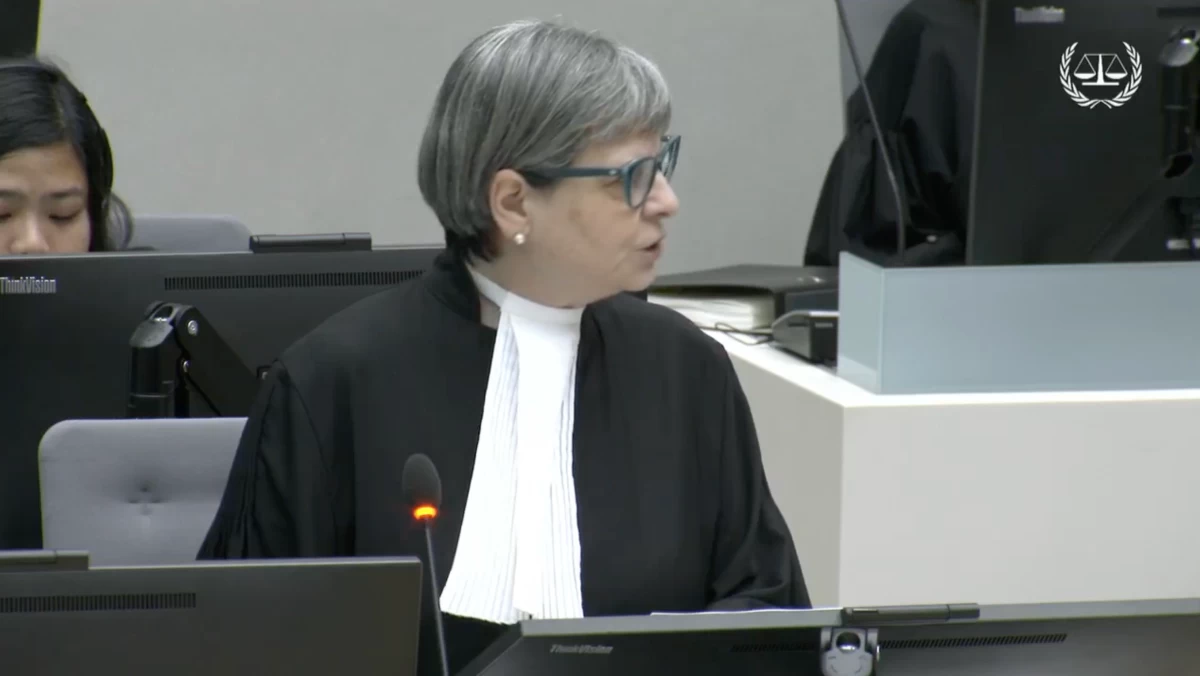
A common representative of the victims of the Duterte administration’s deadly war on drugs has reminded judges and the public that they are not mere statistics but human beings whose rights have been violated “in the most profound ways.”
Paolina Massida on Tuesday, Feb. 24, represented extrajudicial killing (EJK) victims on the second day of confirmation of charges of former president Rodrigo Duterte.
On behalf of the victims, she said, they spoke for families “who cannot be here, mothers who buried their sons, children who lost their parents, spouses who now raise families alone and communities.”
Massida said these people “have lived for years under fear and silence that continue to be the consequence of violence that has swept through their neighbors like a storm.”
“These victims appear today before you, not as mere statistics or distant figures or imageries in report as pictured yesterday by the defense,” she said.
“But as human beings whose rights under the Rome Statute had been violated in the most profound ways,” she added.
Massida cited a testimony from the mother of the drug war victim whose son was “discarded like an animal.”
Reading the mother’s testimony, the lawyer said: “I was not allowed to touch or embrace my son’s body. Even in death, my son was not treated with dignity.”
It was like her son was treated and thrown out “like a pig,” Massida furthered.
The lawyer spoke sympathetically as she delivered her statement, stressing that the attack was widespread and systematic.
She also supported the prosecution’s argument that Duterte did commit crimes against humanity because the former president allegedly framed the illegal drug issue as a criminal one that focused on punitive actions.
Duterte was also selective in his response against illegal drugs and rather launched “violent crackdown on the most vulnerable.”
Crimes weren’t also spontaneous, but planned, directed, and organized attack, she echoed.